
Monkey wrench adjustable steel tools solve a very specific headache: you need one wrench that can fit multiple fastener sizes, hold tight under load, and not chew up what you’re trying to turn.
If you’ve ever had an adjustable wrench “walk” off a nut, or you’ve rounded a stubborn fitting because the jaws flexed, you already know why material and jaw design matter, not just brand names. Steel quality, jaw geometry, and the adjustment mechanism all show up the moment you hit real torque.
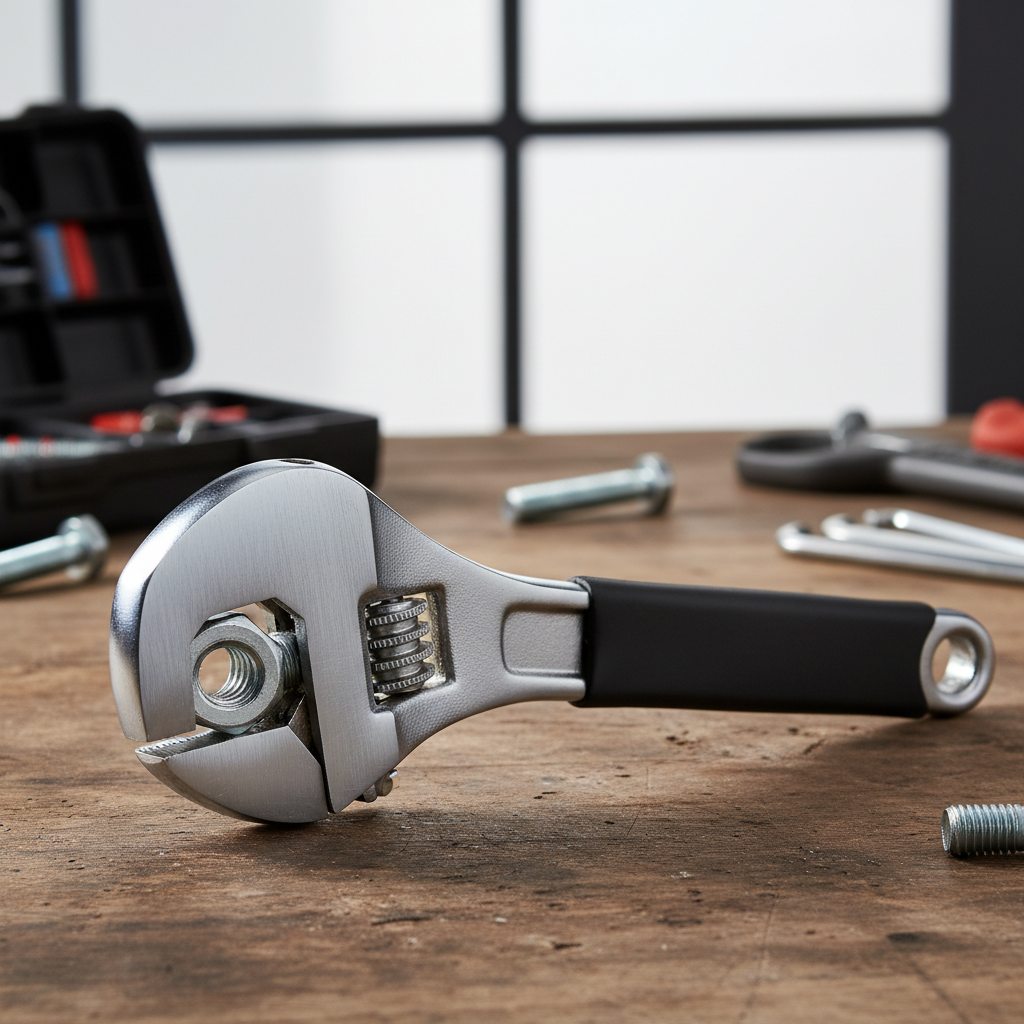
This guide breaks down what actually makes a steel adjustable monkey wrench work well, how to pick the right size for common repair tasks, and how to use it without damaging hardware. You’ll also get a quick checklist and a small comparison table to make buying simpler.
What “Steel Adjustable Monkey Wrench” Really Means in Practice
People say “monkey wrench” in the U.S. to mean a few different adjustable tools, and that can get confusing fast. In many tool aisles, you’ll see:
- Adjustable wrench (Crescent-style): smooth jaws, angled head, most common for general repair.
- Monkey wrench (traditional): typically straight handle, jaws with more bite for square nuts and pipe fittings.
- Pipe wrench: serrated jaws designed to bite into round pipe, not ideal for finished hex nuts.
When you’re shopping for a monkey wrench adjustable steel model for repair, you’re usually looking for a forged steel adjustable wrench with minimal jaw play, a smooth adjustment, and a handle that feels stable when you lean into it.
Why Wrenches Slip or Round Fasteners (And What Causes It)
Most “bad wrench” moments are really a stack of small issues. A few common ones show up again and again in real repairs:
- Jaw backlash: the movable jaw rocks under load, so contact shifts to the corners and rounds the nut.
- Wrong size for the job: a long wrench used at the edge of its opening range tends to flex more.
- Pulling the wrong direction: pulling so the force opens the movable jaw can cause slip.
- Soft or poorly heat-treated steel: jaws mushroom slightly over time, reducing bite and accuracy.
- Dirty fasteners: paint, rust, or burrs prevent full jaw contact.
According to OSHA, hand tool safety includes selecting the right tool for the job and keeping tools in good condition to reduce injury risk and tool failure. That’s not glamorous advice, but it’s the difference between a controlled pull and a busted knuckle.
Quick Self-Check: Do You Need This Tool, or Something Else?
Before you buy another adjustable, it helps to be honest about what you’re turning most days.
- You’re a good fit if you handle mixed-size hex nuts/bolts, quick household fixes, or light automotive tasks where sockets aren’t always convenient.
- Consider a socket set if you’re doing repetitive work on the same sizes and want maximum grip and speed.
- Consider a pipe wrench if you’re working on round pipe or threaded plumbing connections where bite matters more than finish.
- Consider locking pliers if the fastener is already damaged and you need a last-resort hold.
A monkey wrench adjustable steel tool is a “coverage” wrench. It’s not always the highest-torque option, but it’s often the most practical one you actually reach for.
How to Choose the Right Steel Adjustable Monkey Wrench (Key Buying Factors)
Specs on packaging can be vague, so focus on what affects performance in your hand.
1) Steel and build: forged vs. unknown
Forged steel bodies usually handle torque better than cheaper cast bodies. Many reputable wrenches are chrome vanadium (Cr-V) or similar alloys, but the bigger point is consistent heat treatment and tight jaw tolerances, not the buzzwords.
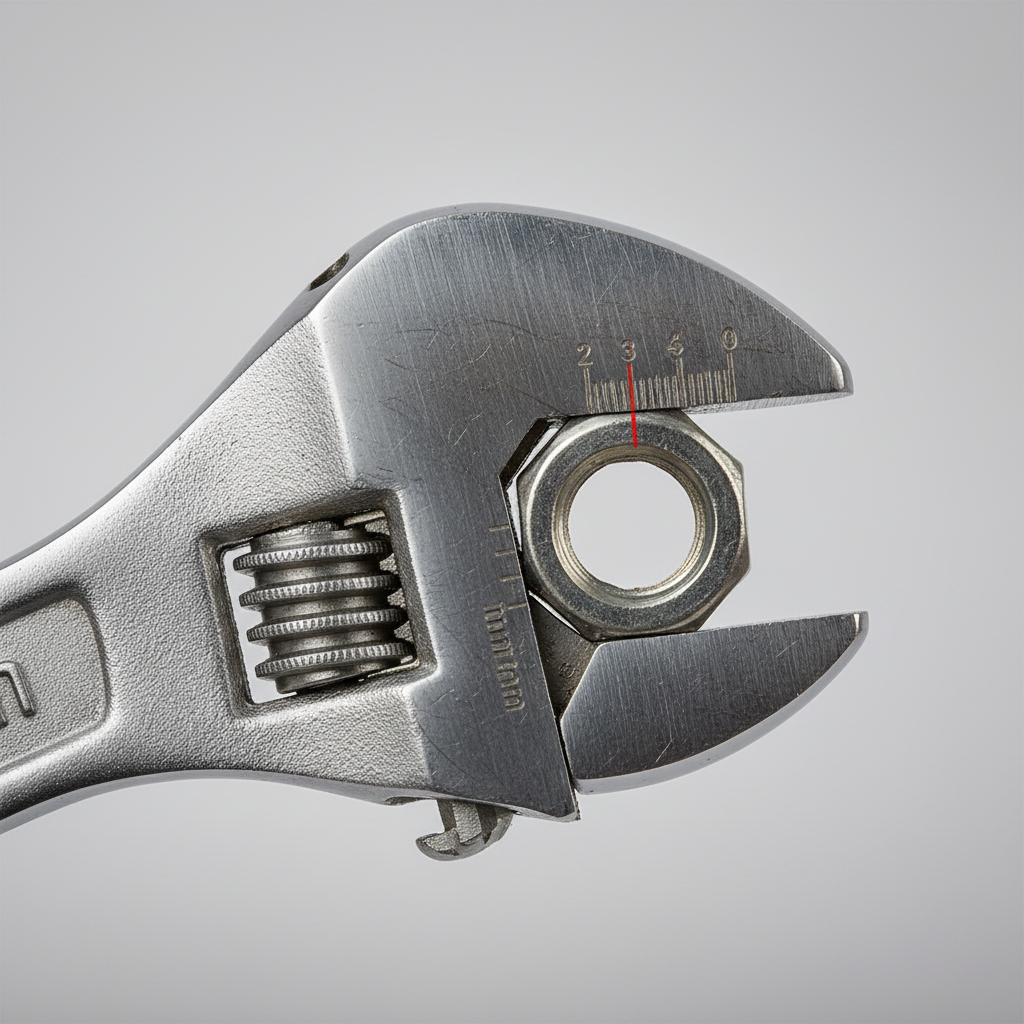
2) Jaw fit and minimal play
Open the jaws to a mid-range size and try to rock the movable jaw. A little movement is normal, but if it clacks noticeably, that’s where rounding starts.
3) Adjustment mechanism feel
The knurl wheel should turn smoothly without gritty spots. In repair work, you’ll adjust one-handed a lot, so a sticky wheel becomes a real annoyance.
4) Size choice (this matters more than most people think)
- 6-inch: tight spaces, small nuts, light duty.
- 8-inch: most common “one wrench” size for home and general repair.
- 10–12 inch: more leverage for stubborn fasteners, but easier to over-torque or slip if jaw fit is sloppy.
5) Handle comfort and control
Rubber grips are nice, but a well-shaped bare steel handle can be just as controllable. The key is that it doesn’t twist in your palm when you load it.
Comparison Table: What to Look For by Use Case
Use this as a quick filter when you’re deciding what to buy for your typical repairs.
| Repair use case | Suggested size | Jaw style priority | What to avoid |
|---|---|---|---|
| General home repairs | 8-inch | Low jaw play, smooth adjuster | Very wide openings with loose jaws |
| Furniture, bikes, small hardware | 6-inch | Thin head profile | Bulky heads that can’t fit tight spaces |
| Automotive basics (non-critical) | 10-inch | Strong forging, stable jaw | Using adjustable as a “breaker bar” |
| Plumbing fittings (hex flats) | 8–10 inch | Good bite and alignment | Serrated pipe wrench on finished nuts |
How to Use an Adjustable Monkey Wrench Without Slipping (Practical Steps)
This is where most people make or break the tool. The technique is simple, but it’s easy to ignore when you’re frustrated.
- Set the jaw snug: adjust until it fits, then tighten a hair more so it’s fully seated on flats.
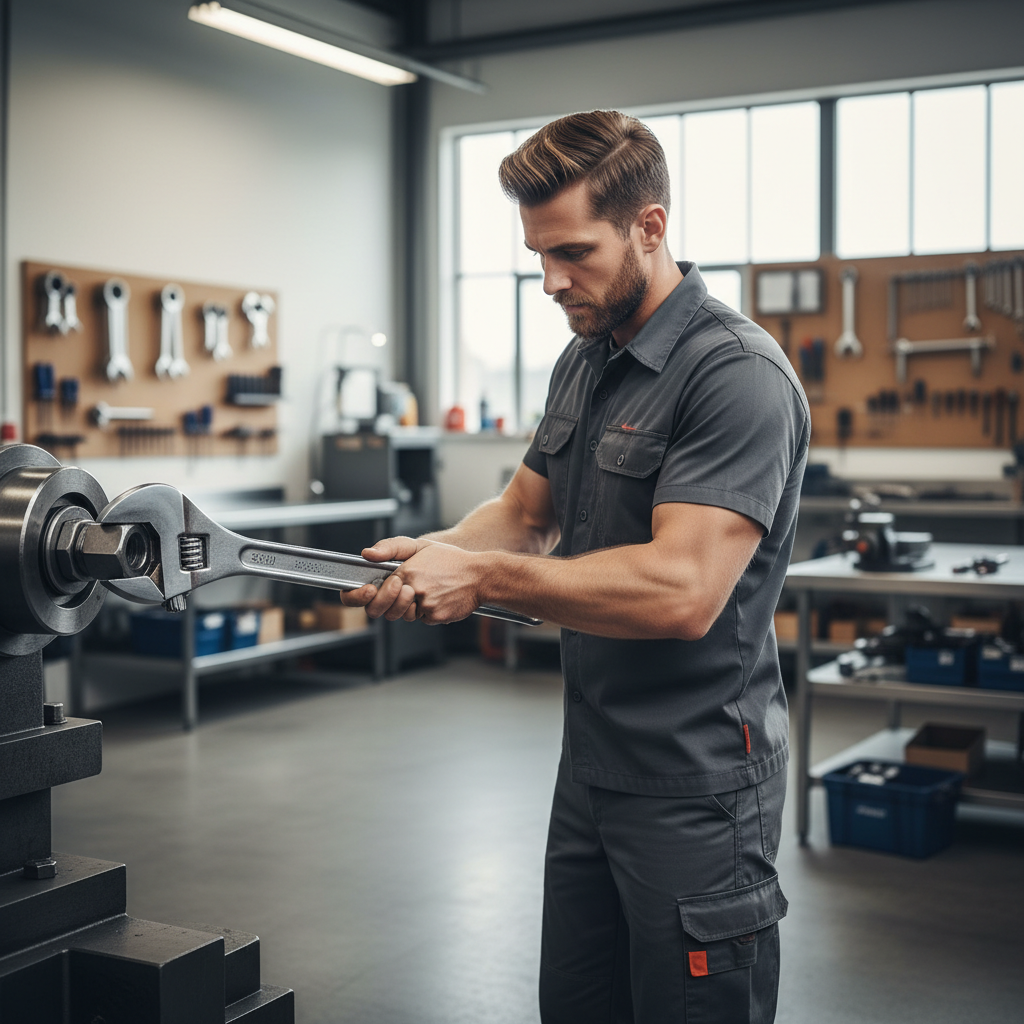
- Load the fixed jaw: orient the wrench so force pushes into the fixed jaw, not against the movable jaw opening.
- Pull, don’t push: many injuries happen when a wrench slips during a push. Pull gives you more control.
- Keep it square: jaws should sit fully on the flats, not angled on corners.
- Use short resets: for stuck fasteners, small controlled moves beat one big yank.
If you’re dealing with rusted hardware, penetrating oil and a short wait often help more than extra leverage. Heat can help too, but any open flame around fuel, wiring, or finished surfaces is a situation where you should act cautiously or consult a professional.
Mistakes That Make a Good Wrench Feel Useless
A solid wrench can still disappoint if it’s used like the wrong tool. These are the repeat offenders:
- Using it on critical torque specs: for wheels, engine internals, or safety-critical assemblies, use the correct socket and a torque wrench.
- Cheater bars on an adjustable: extending the handle can overload jaws and the adjuster, sometimes causing sudden failure.
- Using on soft brass/plated fittings: if appearance matters, consider a smooth-jaw wrench or protect flats with a thin shim.
- Ignoring jaw wear: once the jaw faces round off, you’ll chase slip forever.
And yes, people do tap the handle with a hammer. It might work in a pinch, but it also increases the chance of jaw spread, broken adjusters, or slipping at the worst time. If you go that route, eye protection is a smart baseline.
Care and Maintenance: Keep the Adjustment Smooth and Accurate
Adjustables don’t need much pampering, but a little care keeps them feeling “new” longer.
- Clean the adjuster: brush out grit, especially after drywall dust, sand, or metal filings.
- Light oil: a small drop on the worm gear prevents binding and reduces wear.
- Check jaw faces: if they’re chipped or visibly rounded, retire the wrench to rough work.
- Store dry: surface rust on the adjuster is what makes the wheel feel crunchy.
For a monkey wrench adjustable steel model that sees regular use, this basic routine often matters more than chasing the “perfect” wrench on paper.
Key Takeaways for Buying and Using One
- Fit beats force: tight jaw contact and correct loading direction prevent rounding.
- Pick the size you’ll actually use: 8-inch is the usual sweet spot for general repairs.
- Forged steel and low jaw play tend to be the best real-world indicators of a reliable tool.
- Use the right tool on critical jobs: adjustable wrenches are versatile, not universal.
Conclusion: A Reliable Repair Wrench Comes Down to Fit, Steel, and Technique
A good adjustable steel wrench earns its keep when it grips cleanly, adjusts smoothly, and stays predictable under load. If you choose a size that matches your common repairs, and you make a habit of loading the fixed jaw with a controlled pull, you’ll get fewer slipped jaws and less damaged hardware.
If you’re deciding between two options on the shelf, prioritize jaw stability and smooth adjustment over flashy extras, then put the savings into a small socket set for jobs where an adjustable shouldn’t be your first pick.
FAQ
Is a monkey wrench the same as an adjustable wrench?
In everyday U.S. use, people often mean the same thing, but “monkey wrench” can also refer to a more traditional straight-handle style. What matters is jaw fit and control for your task.
What size adjustable wrench is best for home repairs?
An 8-inch wrench covers a lot of common nuts and bolts without feeling bulky. If you work in tight spaces, pairing it with a 6-inch model can be more useful than buying a single oversized wrench.
Why does my adjustable wrench keep slipping?
Usually it’s jaw play, a slightly loose setting, or pulling in a direction that forces the movable jaw to open. Cleaning the jaws and re-orienting the wrench often fixes it faster than adding more force.
Can I use an adjustable wrench on plumbing fittings?
You can on hex flats, especially if you protect finished surfaces. For round pipe or stuck threaded joints, a pipe wrench is often more appropriate because it’s designed to bite.
Does “steel” automatically mean durable?
Not automatically. Many are steel, but forging quality and heat treatment make the difference. In-store, jaw slop and adjuster smoothness are practical clues.
How do I avoid rounding a nut with an adjustable wrench?
Set the jaws snug on the flats, keep the head square, and load the fixed jaw side. If the nut is already soft or damaged, switching tools early can save time and frustration.
When should I stop and call a pro?
If you’re working on gas lines, critical vehicle components, or anything where a slip could cause injury or a leak, it’s reasonable to consult a qualified professional. The risk isn’t the wrench itself, it’s what’s connected to the fastener.
If you’re trying to standardize your repair kit and want a more “grab-and-go” setup, consider pairing one solid adjustable wrench with a small socket set and a compact torque wrench for critical fasteners. It’s a simple combo that covers most DIY repairs without forcing one tool to do everything.