
Pliers set multi function sounds like marketing until you’re mid-repair, one hand on a loose fitting, the other digging through a drawer for the “right” tool. For most home repairs, the real win is simple: fewer tool changes, better grip, and less chance of rounding off a nut or chewing up wire insulation.
This guide breaks down what “multi function” usually means in a pliers set, what to look for (and what to ignore), and how to match a set to the jobs people actually do at home: tightening, pulling, cutting, crimping, and light electrical work.
I’ll also add a quick self-check list, a comparison table, and a few practical setups depending on whether you’re a casual DIYer or the person everyone calls when something breaks.
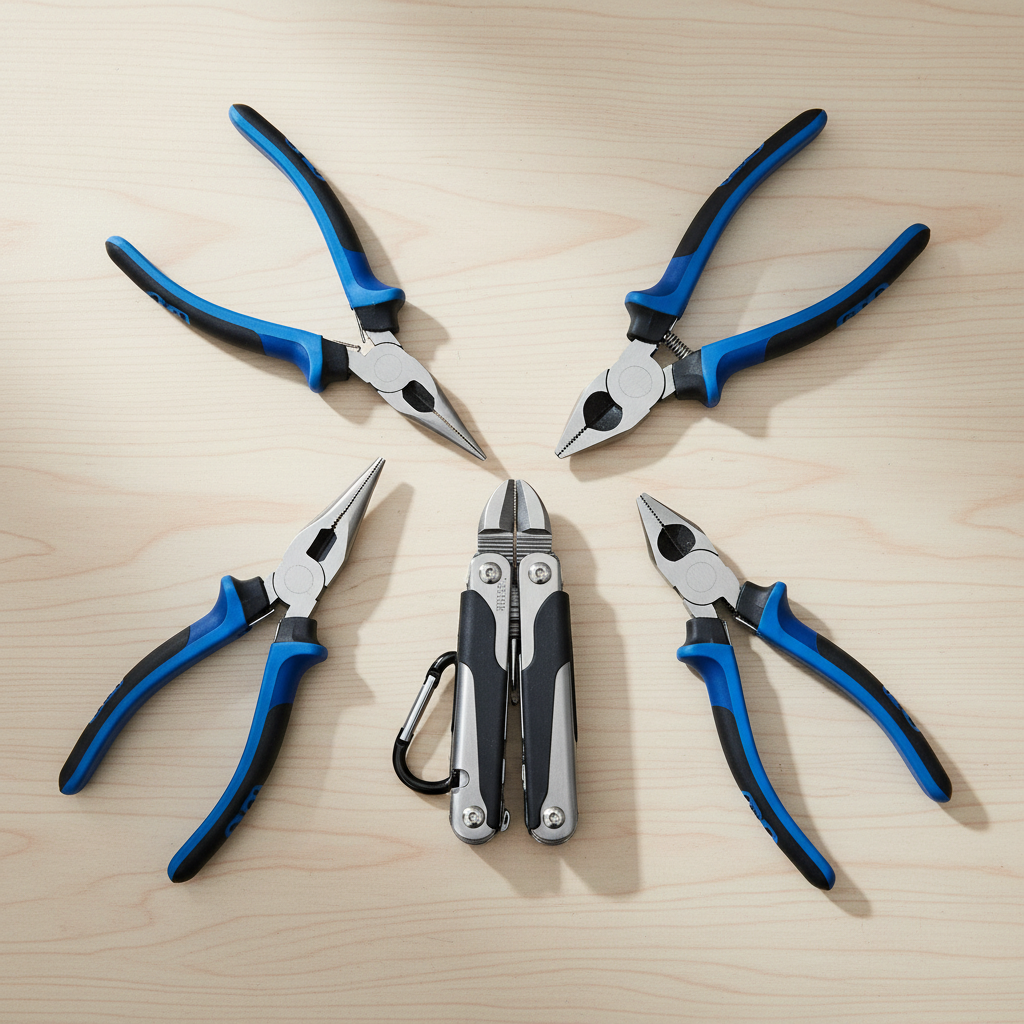
What “Multi Function” Usually Means in a Pliers Set
In the U.S. market, “multi function” commonly points to two different ideas, and mixing them up causes a lot of buyer regret.
- A set of different pliers that cover multiple functions: gripping, twisting, cutting, crimping.
- A single multi-tool pliers (folding style) that tries to do everything in one body.
For home repair, many people do better with a small set of dedicated pliers, because leverage and jaw geometry matter. A folding tool is convenient, but it’s rarely the most comfortable option for stubborn fasteners or repeated cuts.
That said, a true pliers set multi function can still be compact. You don’t need a 10-piece kit to cover 90% of household tasks.
Why Home Repairs Go Sideways Without the Right Pliers
Most “tool problems” show up as damage problems: stripped nuts, snapped wire strands, crushed connectors, or a fastener that suddenly won’t budge. In a lot of garages, the pliers are either too small, too dull, or too slippery.
- Wrong jaw type: Needle-nose on a hex nut tends to slip and round corners.
- Weak cutter edges: Cheap cutters pinch instead of shear, leaving frayed wire ends.
- Poor pivot alignment: Jaws don’t meet evenly, so grip concentrates on one point.
- No insulation awareness: People grab “any pliers” near electrical work, which can add risk.
According to OSHA, using the correct hand tool and keeping tools in safe condition is a core part of preventing injuries at work; the same logic applies at home where you don’t have guards, supervisors, or spare hands.
Quick Self-Check: What Kind of Set Do You Actually Need?
If you’re not sure what to buy, answer these fast and you’ll narrow it down immediately.
- You mainly hang curtains, tighten screws, assemble furniture: 2–3 pliers is usually enough.
- You do basic car/bike fixes and plumbing clamps: you’ll want tongue-and-groove (channel-lock style) plus a stronger cutter.
- You replace outlets, lights, or do low-voltage installs: add needle-nose and a quality wire cutter/stripper.
- You hate clutter or need a travel kit: consider a folding multi-tool plus one dedicated cutter.
A common mistake is buying extra pieces instead of better core pieces. A smaller kit with solid steel and clean jaw alignment usually beats a big kit with sloppy pivots.
Core Pieces to Look For (and What Each One Solves)
If the goal is home repair coverage, these are the workhorses. You might see different names by brand, but the shapes stay consistent.
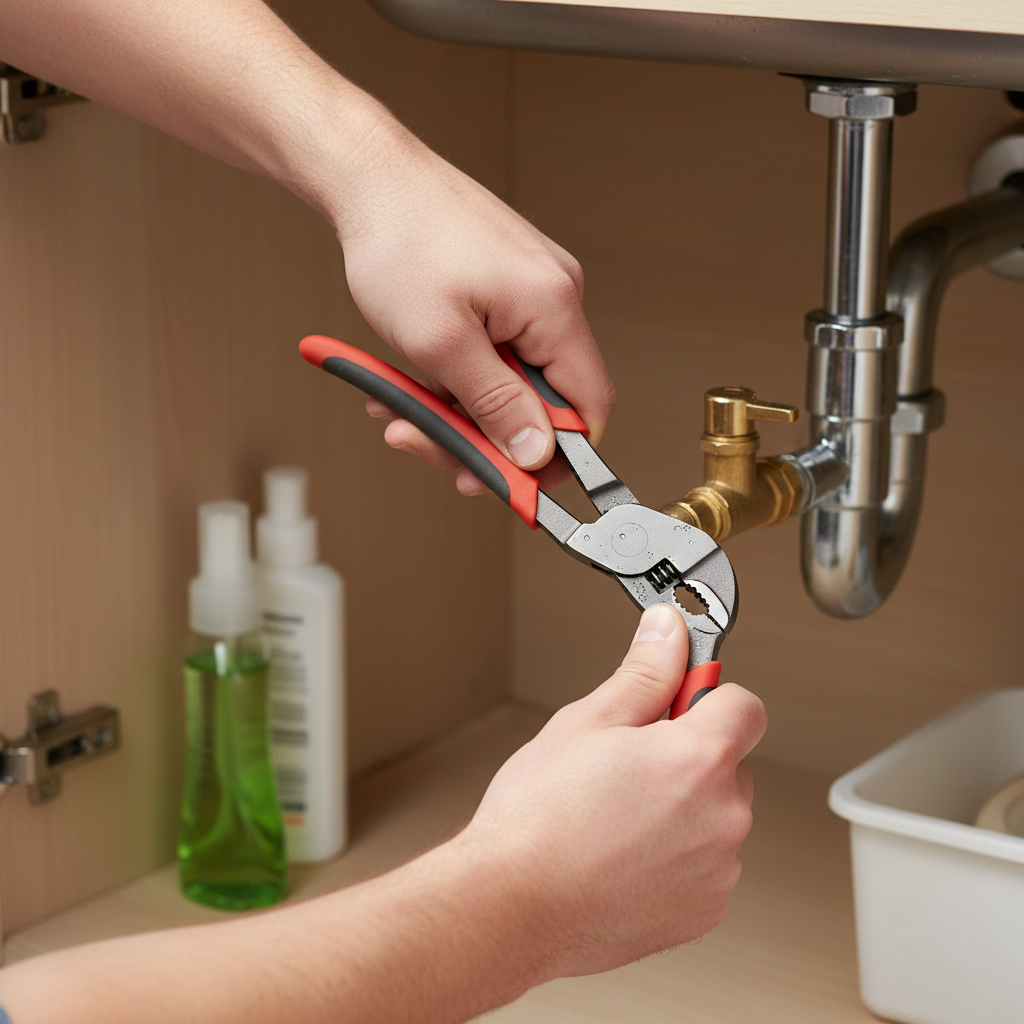
1) Groove-joint pliers (tongue-and-groove)
Best for plumbing fittings, stuck caps, and odd shapes. The adjustable jaw range saves you from hunting for the “right” wrench size.
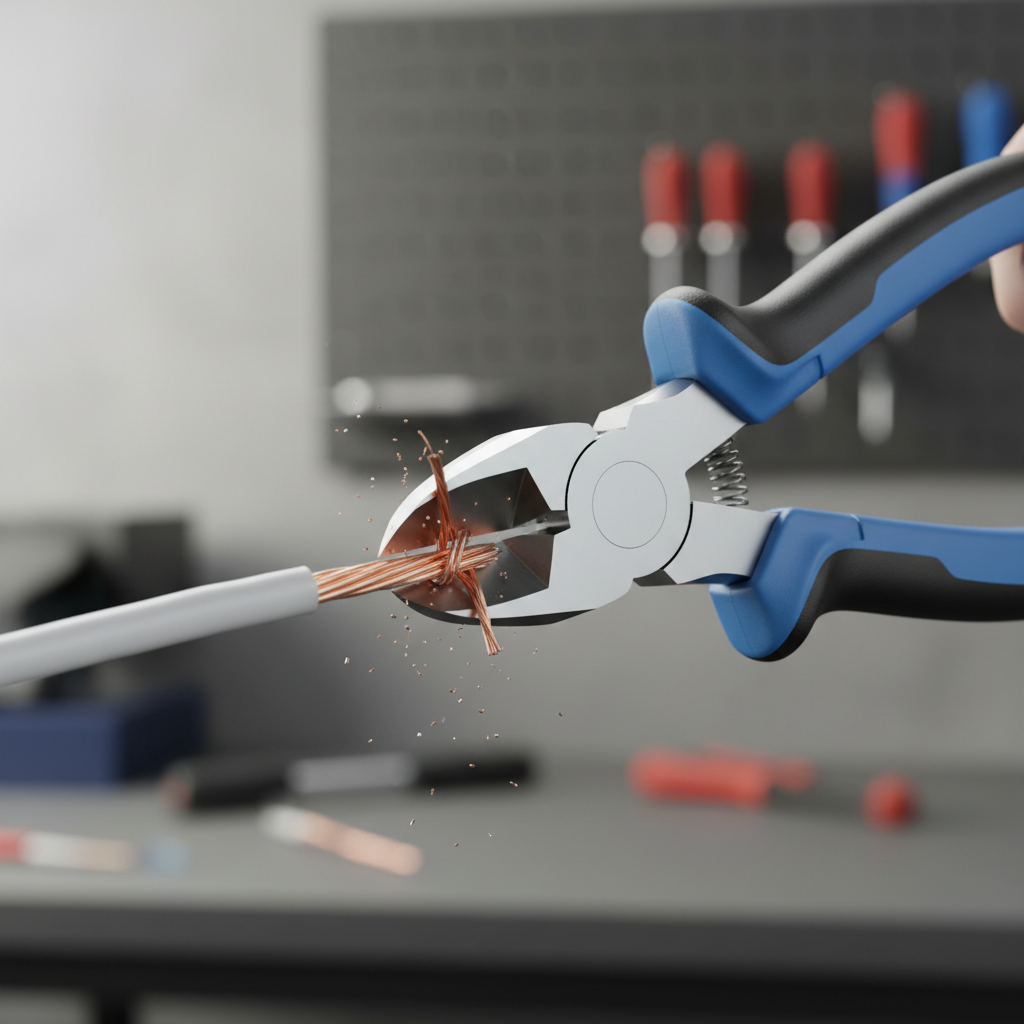
2) Linesman pliers (combination pliers)
A sturdy generalist: gripping, twisting wire bundles, pulling staples, light cutting. If you own only one, many households start here.
3) Needle-nose pliers
For tight spaces, small fasteners, bending hooks, grabbing wires behind a wall plate. Look for a tip that meets evenly, not one that crosses.
4) Diagonal cutters (dikes)
For clean cuts on copper wire, zip ties, and small nails. A good edge makes your work faster and leaves fewer sharp burrs.
Optional add-ons that can be genuinely useful
- Locking pliers for seized bolts and clamp-style holding
- Crimping pliers if you use terminals often
- Wire stripper if you do more than occasional electrical tasks
Comparison Table: Common Pliers Types vs Typical Home Jobs
Use this as a quick match-up when you’re deciding what to prioritize in a pliers set multi function purchase.
| Pliers type | Best for | Watch out for |
|---|---|---|
| Groove-joint | Plumbing nuts, large grips, irregular shapes | Too much force can mar chrome fixtures |
| Linesman | General grip, twisting, pulling, light cutting | Not ideal for tight spaces |
| Needle-nose | Tight access, small bends, precision holding | Slips on hex nuts, can snap tips if abused |
| Diagonal cutters | Clean wire/zip tie cuts | Don’t cut hardened steel unless rated |
| Locking pliers | Seized parts, clamping, temporary “third hand” | Can over-clamp and damage soft metal |
How to Choose a Multi Function Pliers Set That Feels “Right”
Specs matter, but feel matters more. If the jaws don’t line up or the grip twists in your hand, no coating or branding saves it.
- Jaw alignment: close the pliers slowly and check even contact from base to tip.
- Pivots and play: slight movement is normal, but wobble usually means poor control.
- Cutting edges: look for clean, crisp edges; dull edges crush and fray.
- Handle comfort: a thicker, slightly cushioned grip helps on repetitive tasks.
- Corrosion resistance: if you store tools in a humid garage, rust protection matters.
For electrical work, be careful with assumptions. “Comfort grips” are not the same as insulated tools rated for live circuits. According to NFPA, electrical safety guidance emphasizes de-energizing equipment and using appropriate PPE; at home, the safest move is still shutting off power at the breaker and confirming before touching conductors.
Practical Setups: 3 Home Repair Kits That Work in Real Life
Instead of chasing “everything in one box,” pick a setup that matches your routine. These combos cover most homes without feeling excessive.
Setup A: Apartment / quick fixes
- Linesman pliers
- Needle-nose pliers
- Diagonal cutters
Why it works: assembly, picture hooks, small wire tasks, light pulling, all covered.
Setup B: Homeowner essentials (the most common sweet spot)
- Groove-joint pliers
- Linesman pliers
- Needle-nose pliers
- Diagonal cutters
Why it works: adds plumbing and larger grips, still stays compact.
Setup C: “I fix stuff often”
- Everything in Setup B
- Locking pliers
- Wire stripper or crimper (depending on your projects)
Why it works: fewer stalled repairs when something is seized, stripped, or awkward.
Using Pliers Better: Small Technique Tweaks That Prevent Damage
A good set helps, but technique keeps you from slipping and breaking things. These are the habits that pay back fast.
- Grip closer to the pivot when you need power, closer to the tip when you need precision.
- Pull straight instead of twisting sideways, especially with needle-nose tips.
- Protect finishes with tape or a thin cloth when gripping chrome or painted parts.
- Use the right cutter: hardened nails and steel wire can chip standard cutting edges.
- Don’t “cheat” on electrical tasks: shut off power and verify, if you’re unsure, pause and ask a licensed electrician.
Key takeaways: buy fewer, better pieces; match jaw shape to the job; treat cutting edges like a precision surface, not a pry bar.
Conclusion: A Multi Function Pliers Set Should Reduce Friction, Not Add Choices
A pliers set multi function earns its place when it makes common repairs feel straightforward: the tool fits, the grip holds, and the cut looks clean. If you’re shopping today, pick the core four, check jaw alignment, and skip “bonus” pieces you don’t recognize.
If you want an easy next step, open your toolbox and note the last two times you reached for pliers, then buy the missing type that would have made that job calmer and quicker.
FAQ
- What does “multi function” mean on a pliers set?
Usually it means the set includes multiple pliers types for different tasks, not that each tool does every task well. Read the included pieces list, not just the label. - Is a folding multi-tool pliers good for home repair?
It can be handy for quick tasks, but for stubborn fasteners or lots of cutting, dedicated pliers often feel more stable and comfortable. - Which pliers are best for plumbing repairs at home?
Groove-joint pliers handle varied sizes and odd shapes. For delicate finishes, use a protective layer to avoid scratches. - Do I need insulated pliers for electrical work?
In many cases you should de-energize the circuit and verify it’s off. If you ever work near potentially live conductors, insulated, properly rated tools may reduce risk, but they’re not a substitute for safe procedures. - Why do my pliers slip on nuts and bolts?
Often it’s the wrong jaw profile or worn teeth, sometimes you’re gripping too close to the tip. Switching to groove-joint pliers or using the correct wrench can prevent rounding. - How many pieces should a home pliers set have?
For most households, 4 pieces cover a lot: groove-joint, linesman, needle-nose, and diagonal cutters. Add locking pliers if you deal with stuck parts often. - Can diagonal cutters cut nails?
Some can handle small, soft nails, but many will chip on hardened fasteners. Check the tool’s rating and avoid using cutters as prybars.
If you’re building a home toolkit and want a more “grab-and-go” setup, a compact multi function pliers set paired with a small organizer can keep the right jaws within reach without turning your closet into a hardware aisle.