
safety vest high visibility is the phrase people type when they’re not looking for something “bright,” they’re trying to avoid close calls in traffic, on job sites, or around equipment where a split second matters.
If you’ve ever bought a vest that looked neon online but felt flimsy, rode up, or had reflectivity that seemed questionable, you already know the problem: not all high-visibility vests are built for the same environment, and the wrong choice can create a false sense of security.
This guide keeps it practical, how to match an ANSI class to your work, what features actually help day to day, and how to check a vest once it arrives so you’re not guessing.
What “High Visibility” Really Means (and What It Doesn’t)
High visibility is a combination of fluorescent background color for daytime recognition and retroreflective tape that bounces light back toward headlights at night. Most people focus on color, but in low light, reflectivity and layout do the heavy lifting.
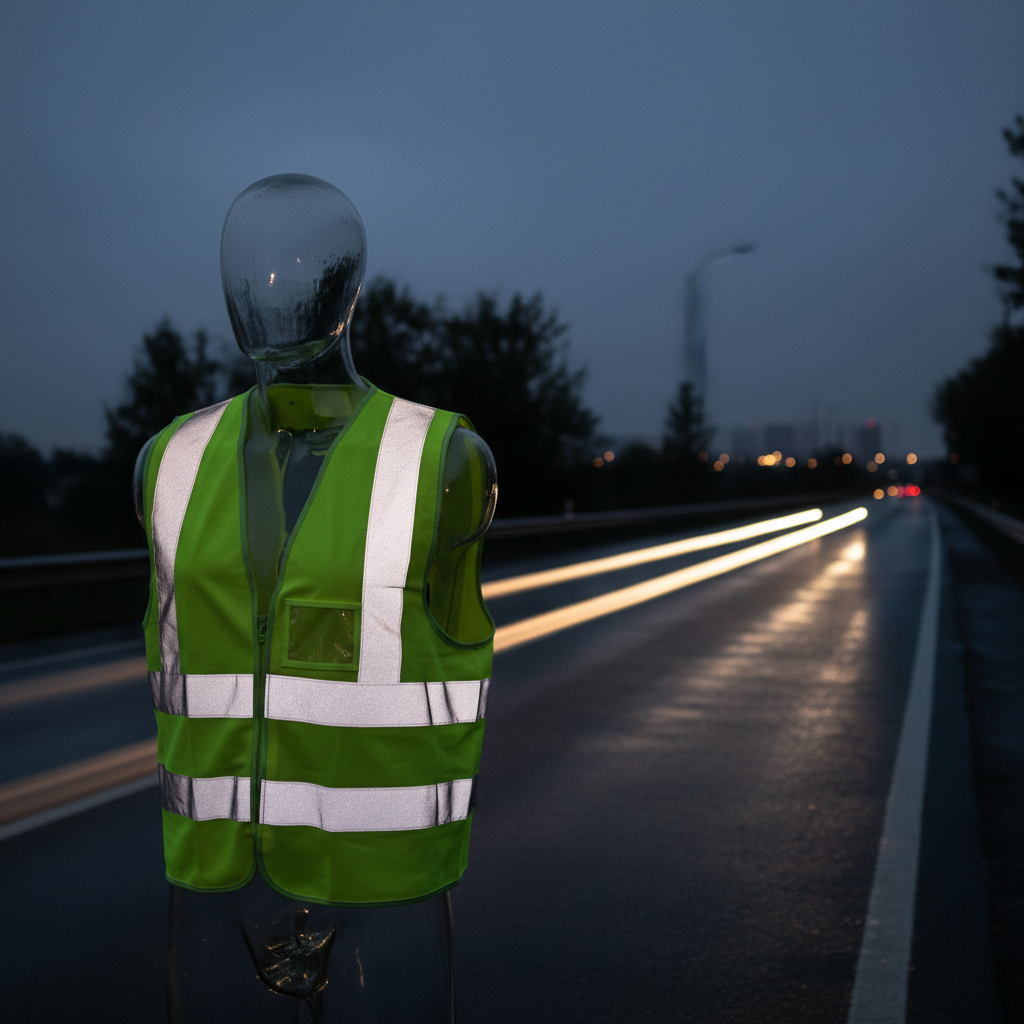
Also, “high visibility” does not automatically mean “ANSI compliant.” Some vests are bright but don’t meet a recognized standard, which may matter for employers, job sites, contracts, or inspections.
According to ANSI/ISEA 107, high-visibility apparel is classified based on how much visible material and reflective striping it provides, plus design requirements. Your workplace safety policy might reference this standard directly, and many general contractors do.
ANSI/ISEA Classes: Picking the Right Level for Your Risk
Choosing the right class is mostly about exposure, speed of nearby vehicles, and whether your body outline stays visible from multiple angles while you move, bend, or carry gear.
Quick class overview (typical use cases)
| ANSI/ISEA Class | Common situations | What it signals |
|---|---|---|
| Class 1 | Low-traffic areas, warehouses, parking attendants | Basic visibility, lower risk environments |
| Class 2 | Roadside work with moderate traffic, construction, utility crews | More coverage and conspicuity |
| Class 3 | High-speed roadways, night work, heavy equipment zones | Maximum coverage, sleeves/added material often involved |
Many shoppers default to “the highest class,” but comfort and compliance matter too. If Class 3 is required, it’s required. If it’s not, a vest that workers won’t actually keep zipped or fastened can undercut the point.
According to OSHA, employers are responsible for providing a workplace free from recognized hazards, and high-visibility garments are commonly used as part of controls for struck-by risks. Exact requirements can vary by task and site rules, so when in doubt, confirm with a safety manager or competent person on site.
A Fast Self-Check: What You Actually Need
Before you buy, answer these questions honestly. This takes two minutes and prevents most mismatches.
- Traffic speed nearby: Are vehicles usually under 25 mph, or closer to 45–70 mph?
- Lighting: Day shift only, or dawn/dusk/night with headlights involved?
- Job movement: Do you bend, climb, kneel, or carry items that can cover your vest?
- Layering: Do you need it over a hoodie or winter jacket?
- Site rules: Does your job specify ANSI Class 2/3 or “ANSI 107 compliant” on the label?
- Heat and sweat: Indoor warehouse vs. hot asphalt vs. humid summer work?
If you’re unsure, start by matching the vest to the highest-risk part of your day, not the easiest part. A short roadside task at night often drives the spec more than the rest of a shift.
Features That Matter More Than You’d Think
Two vests can both look “standard” and still perform very differently when you’re working eight to ten hours.
Material and breathability
Mesh helps in heat, solid knit blocks wind a bit better. If you’re in a hot environment, a breathable build can improve wear compliance, which is a practical safety factor.
Reflective tape layout
Look for tape placement that stays visible when you’re reaching or twisting. Some designs keep a clearer human outline, which tends to be easier for drivers to recognize quickly.
Closure and fit
Zippers usually stay closed better than hook-and-loop when dust and debris build up. Fit should allow layering without hanging so loose it catches on equipment.
Pockets and load-out
For surveyors, utility workers, and site supervisors, pocket layout is not a “nice to have.” Radios, tape measures, markers, and phones all change how the vest sits. If pockets sag and fold the reflective tape, visibility can drop in the moments you need it.
Tear-away designs and breakaway points
In some industries, breakaway vests are preferred to reduce snag hazards around moving equipment. This is very job-specific, so it’s worth checking site policy before you assume it’s an upgrade.
How to Verify a Vest When It Arrives (So You’re Not Guessing)
This is where buyers often skip and regret later, especially when purchasing online.
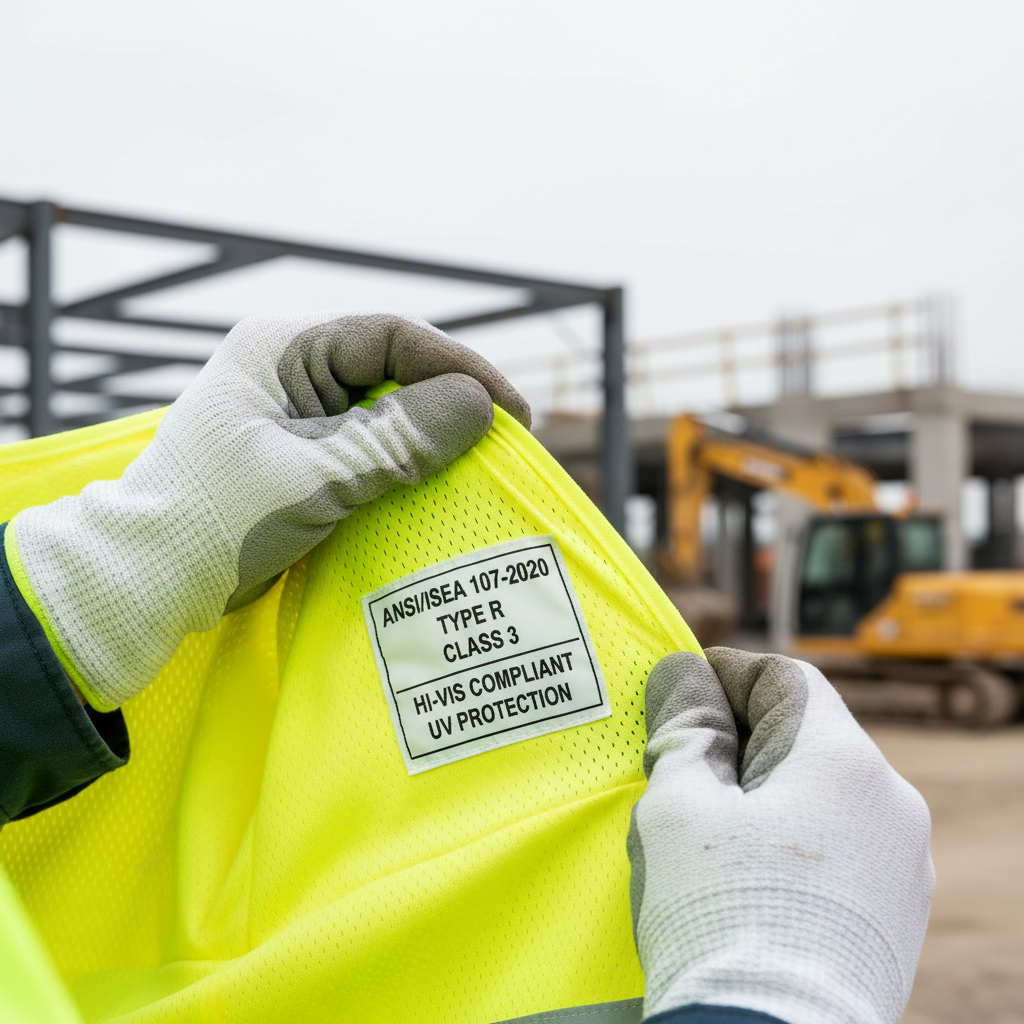
- Check the label: Look for ANSI/ISEA 107 language and the class/type marking if applicable.
- Inspect stitching: Reflective tape should sit flat with consistent seams, loose edges tend to peel after washing.
- Do a quick headlight test: In a safe spot, shine a flashlight or car headlights from a distance and confirm the tape “pops” evenly.
- Move like you work: Reach overhead, crouch, climb a step. Make sure the vest doesn’t ride up or twist so much that tape disappears.
- Try it over layers: If winter is part of your season, test over your thickest jacket now.
If the product page promised compliance but the label doesn’t support it, treat that as a red flag and ask the seller for documentation or exchange it.
Practical Buying Recommendations by Scenario
Here’s a grounded way to translate “what I do” into “what I should buy,” without overthinking it.
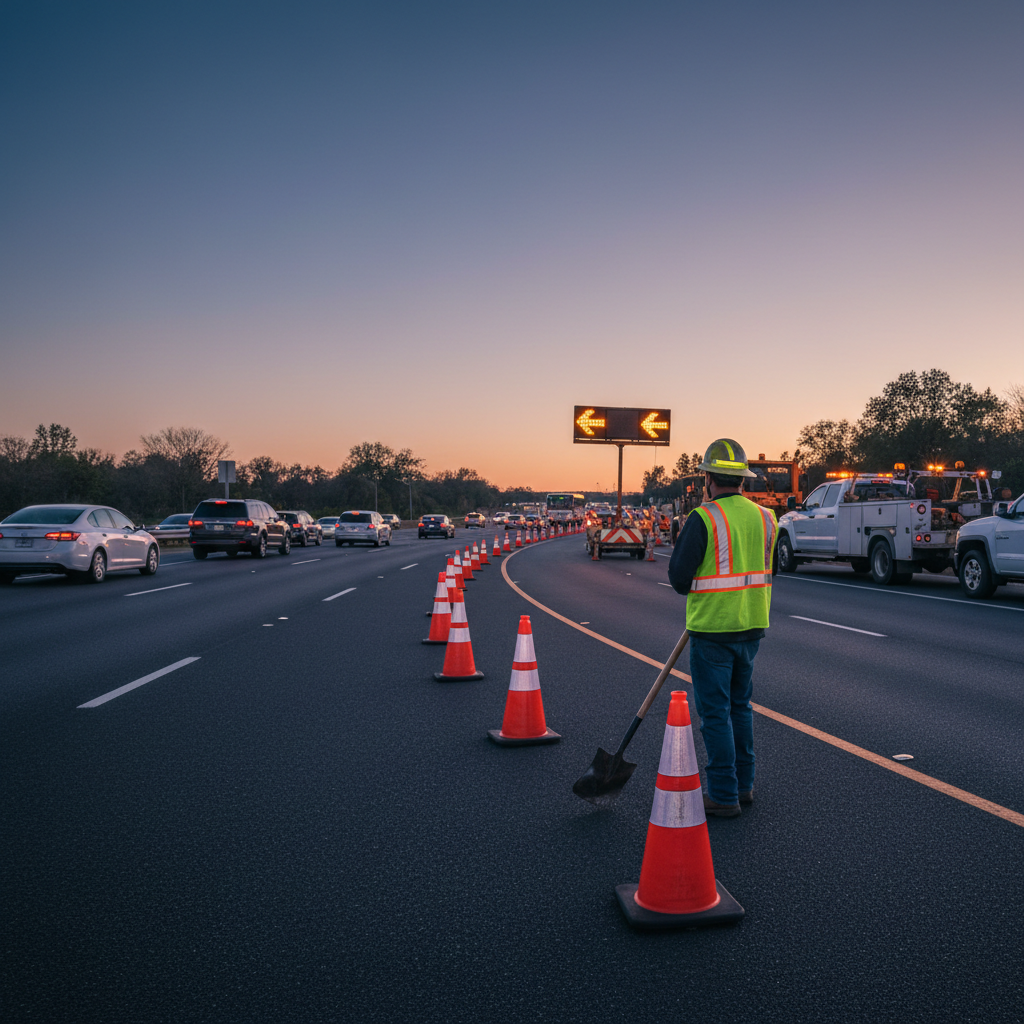
Roadside, towing, traffic control, utility work near moving vehicles
- Prioritize an ANSI class that matches site requirements, Class 2 is common, Class 3 shows up in higher-speed or night conditions.
- Choose strong reflective tape coverage and a closure that won’t pop open.
- Consider weather layering, rain gear compatibility, and pockets that don’t collapse the front tape.
Warehouse and yard work with forklifts
- Comfort and wear compliance matter, mesh can help.
- Breakaway features may be useful in snag-prone areas, but confirm your safety policy.
- Pick a fit that stays visible when you’re bending and picking.
Event staff, parking attendants, school crossing support
- Look for simple, durable construction and easy sizing for multiple users.
- Visibility is still the priority, but pocket-heavy designs might be unnecessary.
- Keep it clean, dirt can dull the fluorescent background.
Mistakes to Avoid (They’re More Common Than You’d Expect)
- Buying based on color alone: Fluorescent fabric helps in daylight, but tape quality and placement often decide nighttime performance.
- Ignoring job-site rules: If a contract calls for a specific ANSI class, a “similar” vest can still fail inspection.
- Choosing the wrong size: Too small rides up and opens, too big twists and folds reflective tape.
- Overloading pockets: Heavy items can drag the vest down and rotate the reflective bands out of view.
- Washing carelessly: Hot washes and harsh detergents can reduce fabric brightness and wear tape faster. Follow the care label.
And one more that sounds obvious: replacing a vest late. If reflectivity looks patchy, tape peels, or fabric loses fluorescent “pop,” it’s usually time. In safety, “still wearable” and “still effective” aren’t always the same thing.
When to Ask for Professional Guidance
If you work around high-speed traffic, heavy equipment, rail, aviation ramps, or complex multi-employer sites, it’s smart to confirm selection with a safety manager or a qualified professional. Visibility requirements can depend on task, roadway classification, and internal policies, and a vest is only one part of a broader control plan.
Also, if you’ve had a near-miss incident, treat that as a signal to review PPE, work zone setup, and procedures together, not just “buy a brighter vest.” According to NIOSH, struck-by hazards are a major safety concern in several industries, and layered controls typically work better than any single item.
Key Takeaways and Next Steps
A safety vest high visibility purchase goes well when you match ANSI class to exposure, verify the label, and pick a design people will actually wear correctly for a full shift.
- If you’re on or near roads, start with compliance and reflective layout, then worry about pockets.
- If heat is your main barrier, choose breathable materials so the vest stays on, not in a truck.
Your next step can be simple: check your site requirement, pick the appropriate class, then confirm labeling and fit the day it arrives.
FAQ
What does “ANSI compliant” mean on a high visibility vest?
It usually means the vest meets ANSI/ISEA 107 design and material requirements for a specific class. You should still check the inside label for the class/type marking rather than relying only on a product listing.
Is Class 3 always better than Class 2?
Class 3 generally offers more coverage, which can help in higher-risk settings. But if Class 3 isn’t required and it’s too hot or bulky, workers may wear it incorrectly, so “better” depends on real use and site rules.
Can I use a high visibility safety vest for night running or biking?
Many people do, and reflective tape helps. For active sports, you may prefer purpose-built reflective gear that fits closer to the body and stays visible while moving, especially from the sides.
How do I know if the reflective tape still works?
A quick flashlight or headlight check in low light usually reveals it. If sections look dull, cracked, or peel at edges, performance may be reduced and replacement is worth considering.
Do I need orange or yellow-green?
Both are common. The best choice often depends on environment and site policy, some backgrounds make one color stand out more. If your workplace specifies a color, follow that requirement.
How often should a safety vest be replaced?
There’s no single schedule that fits everyone, because wear depends on washing, UV exposure, abrasion, and job conditions. Replace when the fluorescent fabric fades noticeably, tape degrades, or closures fail consistently.
What should I look for when buying online?
Look for clear ANSI/ISEA 107 labeling claims, close-up photos of the inside label and tape stitching, and a sizing chart that mentions layering. If those details are missing, you’re taking more of a gamble than you need to.
If you’re trying to standardize PPE for a crew or you need help matching safety vest high visibility options to a specific job site requirement, a short checklist based on your tasks and conditions usually saves time and avoids returns.