
The best flashlight for camping and emergencies is the one you can operate half-asleep, in rain, with cold hands, and still trust to run long enough to solve the problem in front of you.
Most people shop by lumens, then feel disappointed on the first trip, the beam is too floody to spot trail markers, or too narrow to light a campsite, or the battery situation turns into a scavenger hunt. A good light should match how you actually camp and what “emergency” means in your household.
This guide keeps it practical, what specs matter in 2026, how to avoid common traps, and a few ready-to-use “buying profiles” so you can choose quickly without overthinking.
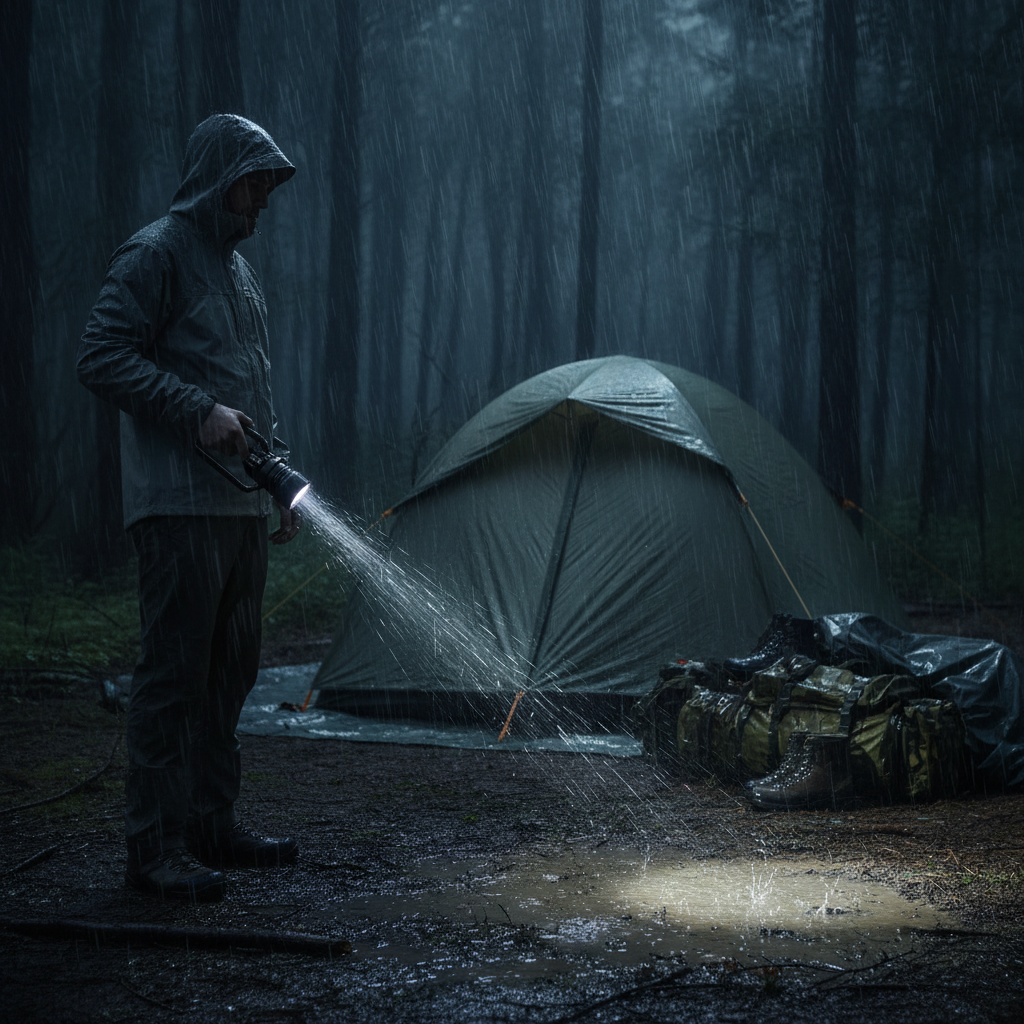
What matters most in a camping + emergency flashlight
Think “reliability first, brightness second.” A super-bright turbo mode looks great online, but in real use you care about useful beam, runtime, and simple controls.
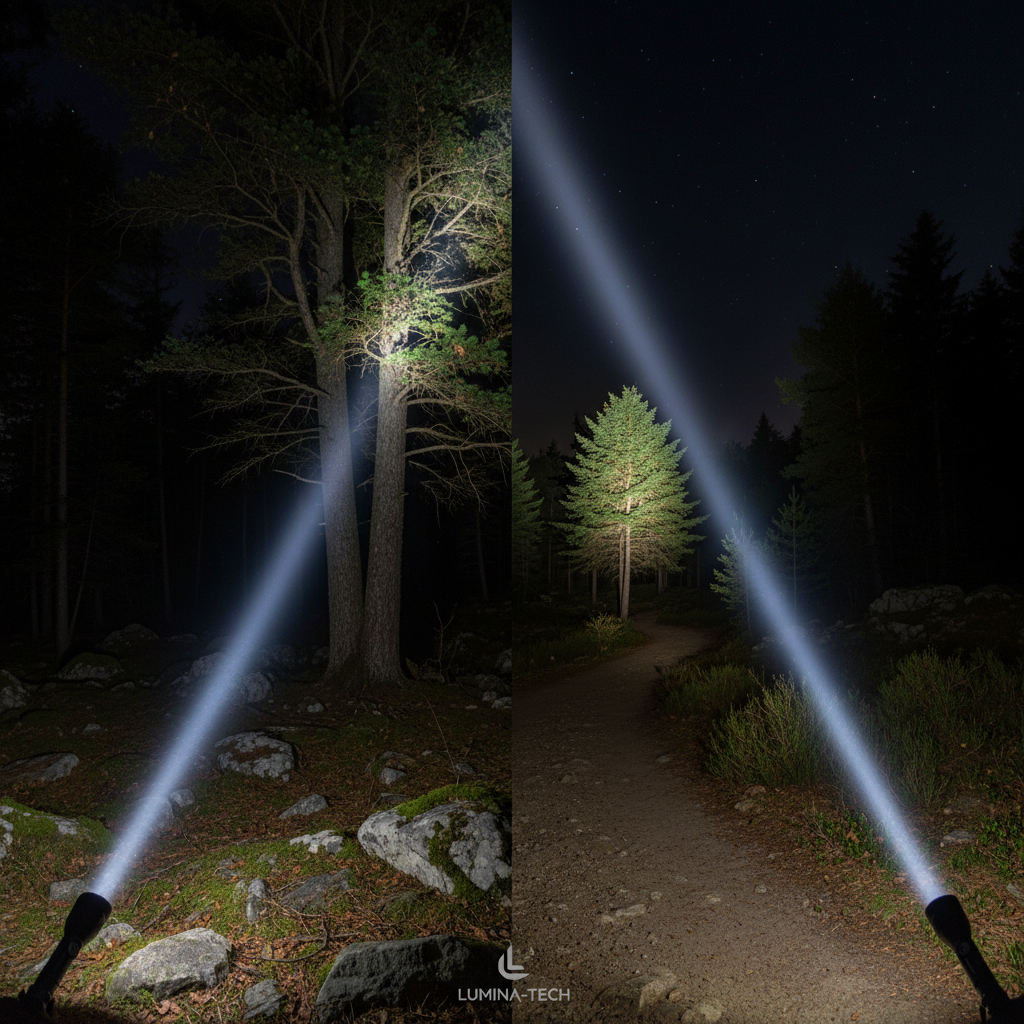
- Beam pattern: Flood helps around camp and inside a tent, throw helps on trails and searching at distance. Many good lights balance both.
- Real runtime (not marketing runtime): Look for a stable medium mode you can live on for hours, then reserve high for short bursts.
- Battery strategy: Rechargeable is convenient, but backup options matter when the power is out or you forget to charge.
- Water and impact resistance: For storms and drops, aim for at least IPX7 water resistance and a reputation for surviving knocks.
- UI you can’t mess up: In emergencies, complicated mode cycling is where good intentions go to die.
Key takeaway: If you want the best flashlight for camping and emergencies, prioritize a dependable medium mode, a useful beam, and batteries you can support at home and on the road.
Quick comparison table: choose a “type” before you choose a model
You can narrow your options faster by picking the flashlight type that matches your most common use. Then compare features inside that lane.
| Type | Best for | Pros | Watch-outs |
|---|---|---|---|
| Handheld (EDC-size) | Cars, hotels, quick checks, short hikes | Pocketable, easy to keep daily | Smaller battery, can run hot on high |
| Handheld (mid-size) | General camping + home outages | Better grip, better runtime, tougher | Less pocket-friendly |
| Right-angle light | Hands-free work, clipping to straps | Versatile, stable on surfaces | Beam alignment takes getting used to |
| Headlamp (bonus) | Cooking, setup, first aid, walking | Hands-free is a real advantage | Straps, comfort, and beam glare matter |
| Lantern (bonus) | Area lighting for camp | Comfort lighting, shared space | Not a “search” tool |
Many campers end up with a mid-size handheld as the “do most things” option, plus a headlamp for hands-free tasks. That combo covers a lot of real-world scenarios.
Specs that actually predict performance (and the ones that mislead)
Lumens aren’t useless, they’re just incomplete. What you see on the trail is a mix of optics, beam shape, and how quickly the light steps down to manage heat.
Pay attention to these
- Beam distance + beam shape: Distance helps with navigation, but a wide hotspot and spill often feel more usable at camp.
- Sustained output: Many lights advertise a high “turbo” that lasts a minute or two. Look for specs or reviews that mention sustained brightness.
- Color rendering (CRI): Higher CRI helps you see true colors, useful for first aid, maps, and gear work. It may reduce max brightness a bit.
- Lockout and anti-accidental activation: A light that turns on in your pack can drain itself before you need it.
- Glove-friendly switch: Side switches feel great until it’s freezing. Tail switches often win for simplicity.
Be cautious with these
- Max lumens only: The brightest number rarely equals best real-world visibility.
- “Military grade” language: Not a standardized promise. Look for IP rating, impact rating, warranty, and brand track record.
- Built-in charging only: Convenient, but consider what happens if the port gets damaged or you forget a cable.
Battery choices in 2026: rechargeable vs disposable, and what to stock
Battery planning is where “camping” and “emergency” needs collide. Rechargeable lithium-ion is convenient and powerful, but disasters tend to happen when charging is inconvenient.
According to FEMA... emergency kits should include a flashlight and extra batteries, which is a good reminder that your plan should include power redundancy, not just a fancy light.
Common battery setups (and who they fit)
- AA/AAA: Easy to find in gas stations and grocery stores, good for “I want simple.” Often less bright than lithium-ion options.
- 18650/21700 rechargeable: Great performance and value over time. Best if you’re willing to manage charging and spares.
- Primary lithium (like CR123A): Long shelf life, strong in cold weather. Costs more and not always easy to find last-minute.
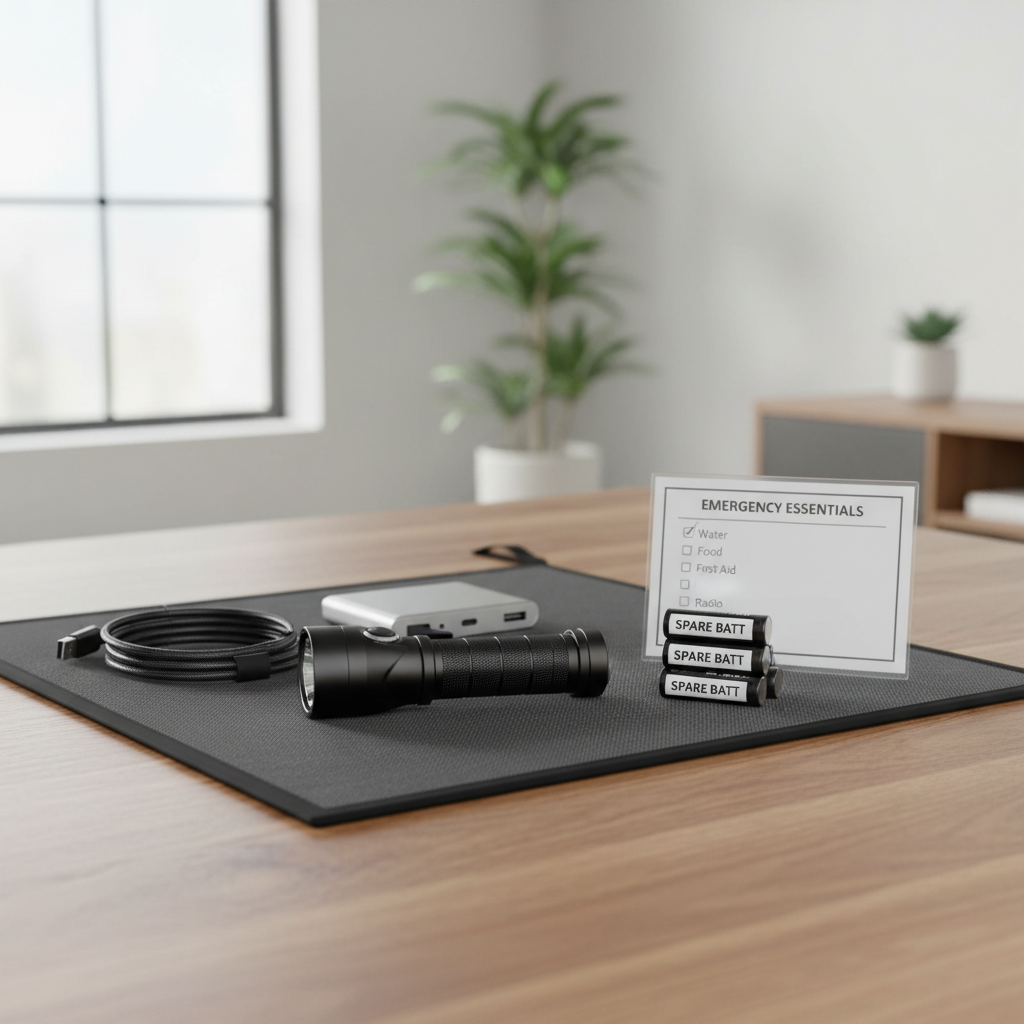
A realistic “battery drawer” for emergencies
- One set of fresh batteries already installed in the light (or a charged cell).
- One spare set stored in a labeled zip pouch.
- A charging plan: USB-C cable + car charger, or a small power bank you already maintain.
If you want the best flashlight for camping and emergencies but don’t want to babysit charging, an AA-based light can still be a smart pick, especially if your household already stocks AAs for other gear.
Buying profiles: pick the best match for your trips and risks
Rather than pushing one “winner,” these profiles reflect how people actually use lights. Choose the closest match and shop inside it.
1) The “family camping + blackout” profile
- What to buy: Mid-size handheld with simple modes + headlamp for hands-free.
- Priorities: Easy UI, stable medium mode, good spill, IPX7-ish water resistance.
- Battery: Either AA for simplicity or 18650/21700 if you can keep spares charged.
2) The “storm season + car kit” profile
- What to buy: Compact handheld with lockout and low mode that runs a long time.
- Priorities: Long shelf life, won’t turn on in glove box, easy to operate.
- Battery: Consider primary lithium for storage, or keep a scheduled recharge routine.
3) The “backcountry weekends” profile
- What to buy: Durable light with efficient driver (better sustained brightness), plus a quality headlamp.
- Priorities: Weight, weather resistance, dependable beam, cold performance.
- Battery: Rechargeable with a spare cell and a power bank, or primary lithium if cold is a major factor.
When people ask for the best flashlight for camping and emergencies, they often mean “one purchase that covers everything.” These profiles are the closest you’ll get without overpaying for features you never use.
How to test your flashlight at home (so it doesn’t surprise you outside)
This part feels boring until the first night you really need the light. A five-minute test tells you more than a spec sheet.
- Dark-room UI check: Can you reach low mode without strobing yourself in the face?
- Glove test: Try the switch with winter gloves or wet hands.
- Runtime reality: Run medium mode for 30–60 minutes and see if output stays usable.
- Pack test: Put it in your bag for a day, then confirm it didn’t turn on accidentally.
If any of these fail, it doesn’t mean the light is “bad,” it just means it might not be your best match for camping and emergencies.
Safety notes, common mistakes, and when to get extra help
Light is a safety tool, but it can also create problems if you treat it like a toy.
Common mistakes that cause frustration
- Buying only for maximum lumens: You end up with short runtime and frequent heat step-down.
- No backup power: Rechargeable without a spare cell or power bank is a single point of failure.
- Overusing strobe: Strobe can disorient others and may not help in many situations.
- Ignoring low mode: Low is what preserves night vision and stretches runtime.
Basic safety reminders
- Avoid shining high-output beams into eyes, especially at close range.
- If a light becomes uncomfortably hot, step down modes and let it cool.
- Store spare lithium-ion cells in protective cases to reduce short-circuit risk.
According to the American Red Cross... emergency preparedness typically includes reliable lighting and spare power. If you’re building a home plan for hurricanes, wildfires, or medical needs, consider asking a local emergency management office or a qualified professional for guidance that fits your situation.
Conclusion: what to buy in 2026 without overthinking it
If you want one practical answer, buy a mid-size handheld flashlight with a simple interface, good water resistance, and a battery plan you can actually maintain, then add a headlamp if you do any camp chores or nighttime walking.
For most households, the best flashlight for camping and emergencies isn’t the most powerful, it’s the one you can find fast, operate instantly, and keep powered without drama. Pick your profile, do the quick home test, and set a reminder to check batteries a couple times a year.
If you’d like a more streamlined setup, build your kit around one primary light, one hands-free light, and one clearly labeled spare-power solution, that trio covers more real problems than chasing bigger lumen numbers.