
Best tire inflator for car and bike usually means one thing in real life: you want a compact pump that actually reaches your target PSI, works with both valve types, and doesn’t die the first time you need it on a cold shoulder.
Most people shop by “max PSI” and price, then get frustrated when the inflator runs hot, the hose won’t fit a recessed bike valve, or the battery can’t top off two car tires in a row. This guide keeps it practical, what matters for a car + bike combo, what to ignore, and how to choose without overpaying.
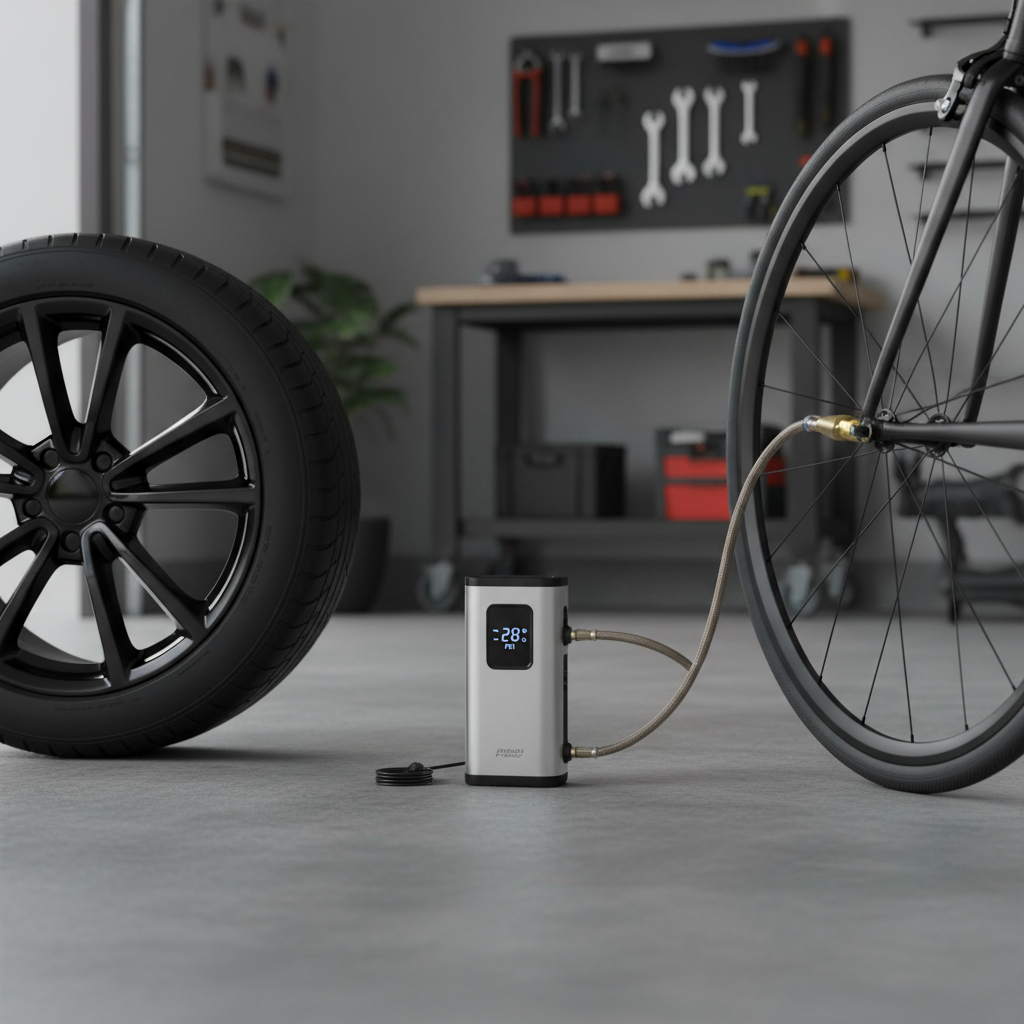
One quick boundary up front: a single inflator can serve both car and bike, but it rarely feels “perfect” for both. Car tires want volume and duty cycle, bike tires want precision and valve compatibility. The sweet spot is a portable compressor with a smart preset plus the right adapters.
What “best” really means for car + bike inflators
Shopping gets easier if you translate marketing into real requirements. Here’s how experienced buyers usually frame it.
- Accuracy you can trust: For bikes especially, a few PSI can change ride feel. Built-in gauges vary, so the better units either read consistently or let you verify easily with a separate gauge.
- Enough power for car tires: Most passenger cars sit around the low-to-mid 30s PSI, but topping up from 20s to mid-30s takes meaningful airflow and time. Tiny “bike-only” pumps will feel painfully slow.
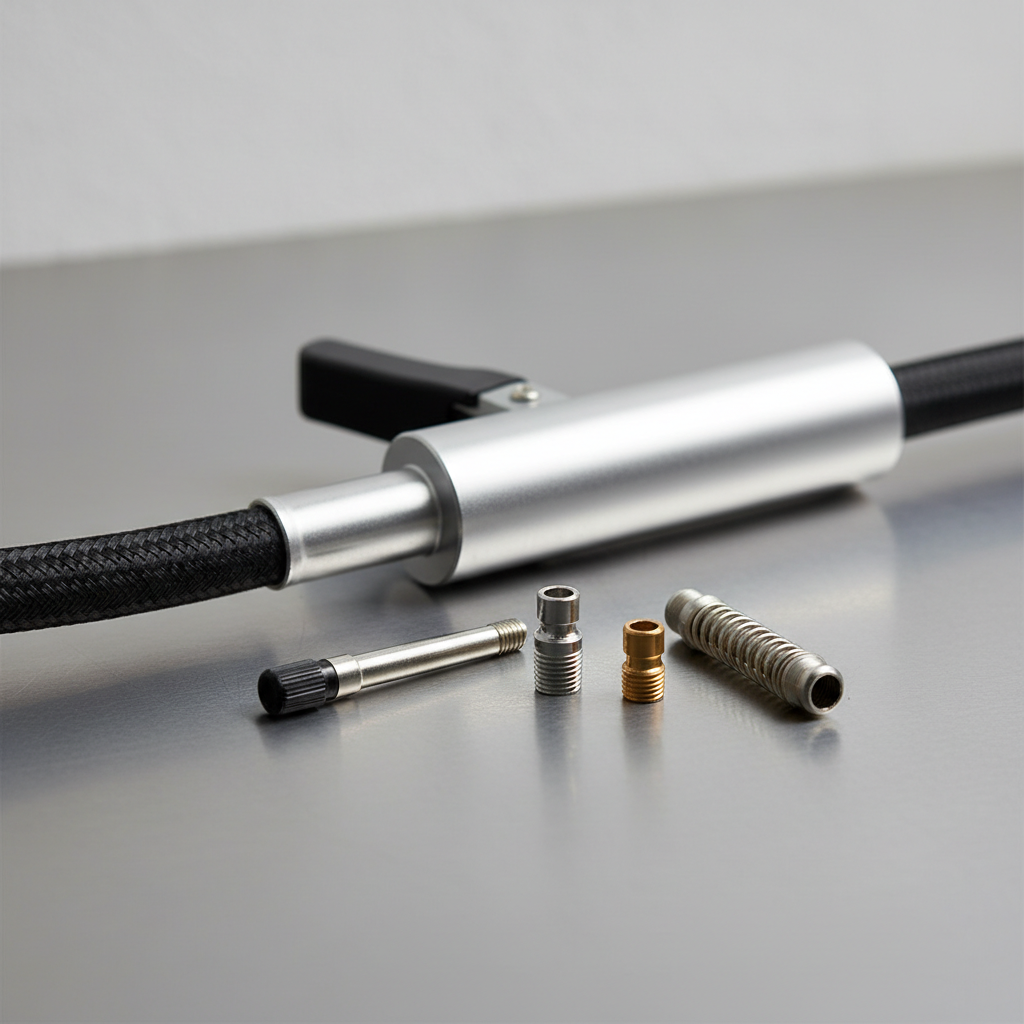
- Valve compatibility out of the box: Cars use Schrader, many road bikes use Presta, some bikes use Schrader. You want a head that supports both or at least includes a solid Presta adapter that doesn’t leak.
- Manageable heat and runtime: Compact compressors heat up. If you expect to inflate multiple car tires, look for realistic duty-cycle guidance and a hose/cable length that lets you work safely.
- Power that matches your routine: Rechargeable is convenient, 12V plugs are reliable for long sessions. Many people end up liking “dual power” options.
According to NHTSA, proper tire inflation is part of basic vehicle safety and maintenance, which is why a dependable inflator isn’t just a gadget purchase, it’s a preparedness tool.
Key specs that matter (and the ones that waste your time)
If you only compare boxes, everything looks the same. These specs separate a good pick from a drawer-stuffer.
Specs worth caring about
- Real-world speed: Look for “time to inflate” examples (even if manufacturer claims are optimistic). If none are provided, assume slower and prioritize stronger brands and reviews.
- Pressure range and control: Presets with auto-stop help prevent over-inflation. For bikes, fine control matters more than a flashy screen.
- Hose reach + cable reach: Short hoses make car use annoying. A longer hose or a 12V cord that reaches all four wheels saves hassle.
- Head design: A screw-on connector can seal better on Presta but takes longer; a lever clamp is faster but can struggle with tight spaces.
- Battery capacity (Wh) or mAh + voltage: Bigger is generally better, but weight goes up. For car-only emergencies, 12V can be more dependable.
Specs to treat skeptically
- Max PSI as a headline: High max PSI does not guarantee fast inflation. Many pumps hit high PSI slowly.
- “Heavy-duty” labels: Without duty-cycle or thermal protection details, it’s just a word.
- Super bright screens: Nice, but not why your tire gets to the right pressure.
Quick comparison table: pick the right inflator type for your use
Instead of naming “one winner,” it’s more honest to match the inflator type to how you’ll use it. Here’s a cheat sheet.
| Inflator type | Best for | Pros | Trade-offs |
|---|---|---|---|
| 12V plug-in portable compressor | Car top-offs, roadside reliability | Unlimited runtime from car power, often faster than small battery units | Cord management, less convenient for bikes away from the car |
| Rechargeable handheld inflator | Mixed car + bike, quick top-offs | Convenient, preset + auto-stop, good for garage and travel | Battery limits, can overheat on multiple car tires |
| Bike mini pump / CO2 inflator | On-bike emergencies | Ultra portable, fast for a single bike tire (CO2) | Not practical for car tires, less precision (CO2), consumables |
| Floor pump (bike) | Home bike maintenance | Great control, easy Presta use, durable | Not for car tires, not a travel tool |
A realistic “self-check” before you buy
This is the part most people skip, then they end up with the wrong power source or missing adapters. Answer these quickly.
- How often do you inflate car tires? Rare emergencies only, or seasonal pressure swings where you top off monthly?
- Do you need Presta support? If you ride a road bike, assume yes unless you’ve confirmed valve type.
- Do you inflate from flat, or just top off? Top-offs are easy. Inflating from very low PSI is where weak units struggle.
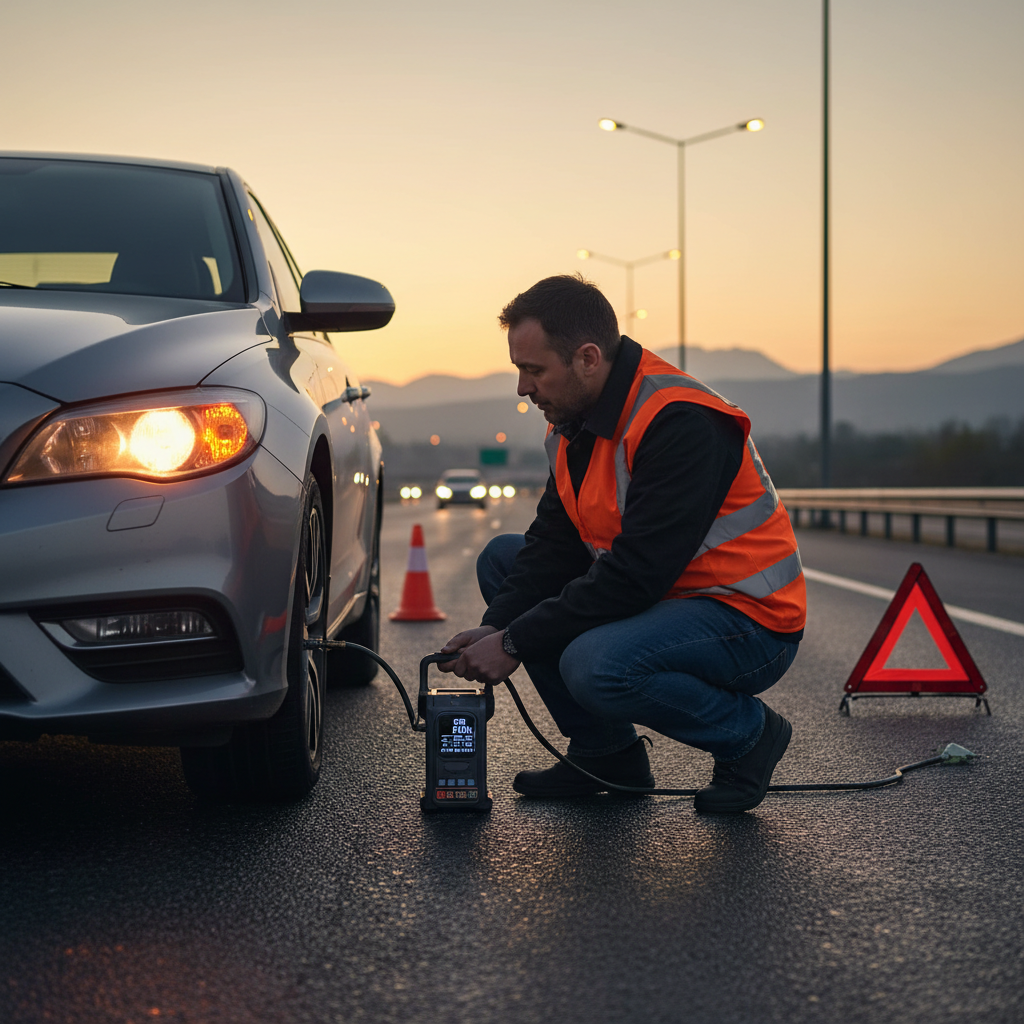
- Where will you use it? Garage, apartment parking lot, trailhead, roadside at night. Lighting and reach matter more than you’d think.
- How many tires per session? One bike tire, two car tires, or all four. Heat and battery become the limiter.
If your honest answer is “I might need to fill multiple car tires from low pressure,” prioritize a sturdier 12V unit or a rechargeable model with strong thermal protection and a plan for recharging.
How to choose the best tire inflator for car and bike in 2026
Here’s a selection approach that stays grounded in actual use, not spec-sheet fantasy.
Step 1: Decide your primary job
- Mostly car: Start with a 12V compressor that reaches all four wheels and has a stable gauge, then add a good Presta adapter for bike use.
- Mostly bike + occasional car: A quality rechargeable handheld inflator with Presta support can work well, but keep expectations realistic for car tires that are very low.
- True 50/50: Look for dual-power (battery + 12V), preset auto-stop, and a hose/head that doesn’t fight Presta valves.
Step 2: Filter by non-negotiables
- Auto shutoff with a clear preset interface
- Presta + Schrader compatibility without leaky adapters
- Thermal protection or clear rest instructions to avoid overheating
- At least one usable light mode for roadside use
Step 3: Make peace with one trade-off
To get a compact tool that handles both, you usually give up something: either speed on car tires, or ultimate precision like a dedicated bike floor pump. That’s normal. The “best” choice is the one whose compromise you won’t hate at 10 p.m. in the rain.
Practical tips: getting accurate PSI without damaging the pump
Even the best tire inflator for car and bike can give mediocre results if the technique is sloppy. A few habits make it smoother.
- Check tires when cold when possible: Pressure rises with heat, so readings after driving can be higher. If you must inflate after driving, aim for the vehicle’s door-jamb spec and keep expectations modest.
- Use short bursts for bikes: Especially near your target PSI, pulse inflations help avoid overshoot on narrow-volume tires.
- Let the unit rest: If the inflator housing feels very hot, pause. Many compact units need cool-down breaks to prevent thermal shutdown.
- Verify once in a while: A simple standalone tire gauge can help confirm your inflator’s screen stays honest over time.
- Don’t forget valve caps: Caps are not the primary seal, but they help keep debris out, which reduces slow leaks.
According to NHTSA, you should follow the vehicle manufacturer’s recommended tire pressure, typically found on the driver-side door jamb. For bikes, the tire sidewall range is a starting point, but rider weight, rim width, and comfort goals often change the “right” number.
Common mistakes that make people think their inflator “doesn’t work”
- Using the wrong valve setup: A loose Presta adapter leaks just enough to look like the pump is weak. Make sure the Presta valve core is open before attaching.
- Chasing max PSI for bikes: Inflating to the sidewall maximum isn’t automatically better. Many riders end up happier a bit lower, within the safe range.
- Ignoring power limits: A rechargeable model that’s great for top-offs may struggle to recover a very low car tire, and that’s not always a defect.
- Over-tightening screw-on heads: It can damage valve cores or make removal so hard you lose air undoing it.
- Assuming the displayed PSI is perfect: Built-in sensors vary. If precision matters, cross-check occasionally.
When to stop DIY and get professional help
If a tire keeps dropping pressure after you inflate, the inflator is not the main problem. A slow leak can come from a puncture, a damaged valve core, or a bead seal issue, and continuing to “just top it off” may become unsafe.
- Visible sidewall damage, bubbles, or cords: Avoid driving or riding, consult a tire professional.
- Repeated low-pressure warnings: Have the tire inspected; sensors can fail, but consistent pressure loss usually means a leak.
- Bike tire blow-off risk: If you’re unsure about rim/tire compatibility or you see bead issues, a bike shop can check fit and safe pressure guidance.
Conclusion: a simple way to make the right pick
The best tire inflator for car and bike is the one that matches your most common scenario, includes reliable Presta support, and has a power plan that won’t leave you stuck. If you drive often and want true peace of mind, a solid 12V compressor stays hard to beat. If your life is more bike-heavy and you just want to keep the car topped off, a good rechargeable inflator with auto-stop can be the sweet spot.
Pick your inflator type, confirm valve compatibility, then do one test run at home so your first use isn’t on the shoulder of a highway. That one habit pays back fast.