
Choosing a rivet gun hand manual tool sounds simple until you hit the real-world problems: sore hands after ten pulls, rivets that spin instead of setting, or a plastic panel that cracks right when you think you’re done.
The upside is a manual hand rivet gun can still be the most practical option for many DIYers and maintenance teams in the U.S., because it’s affordable, portable, and dependable when you match the tool to the rivet, the material, and the access you have.
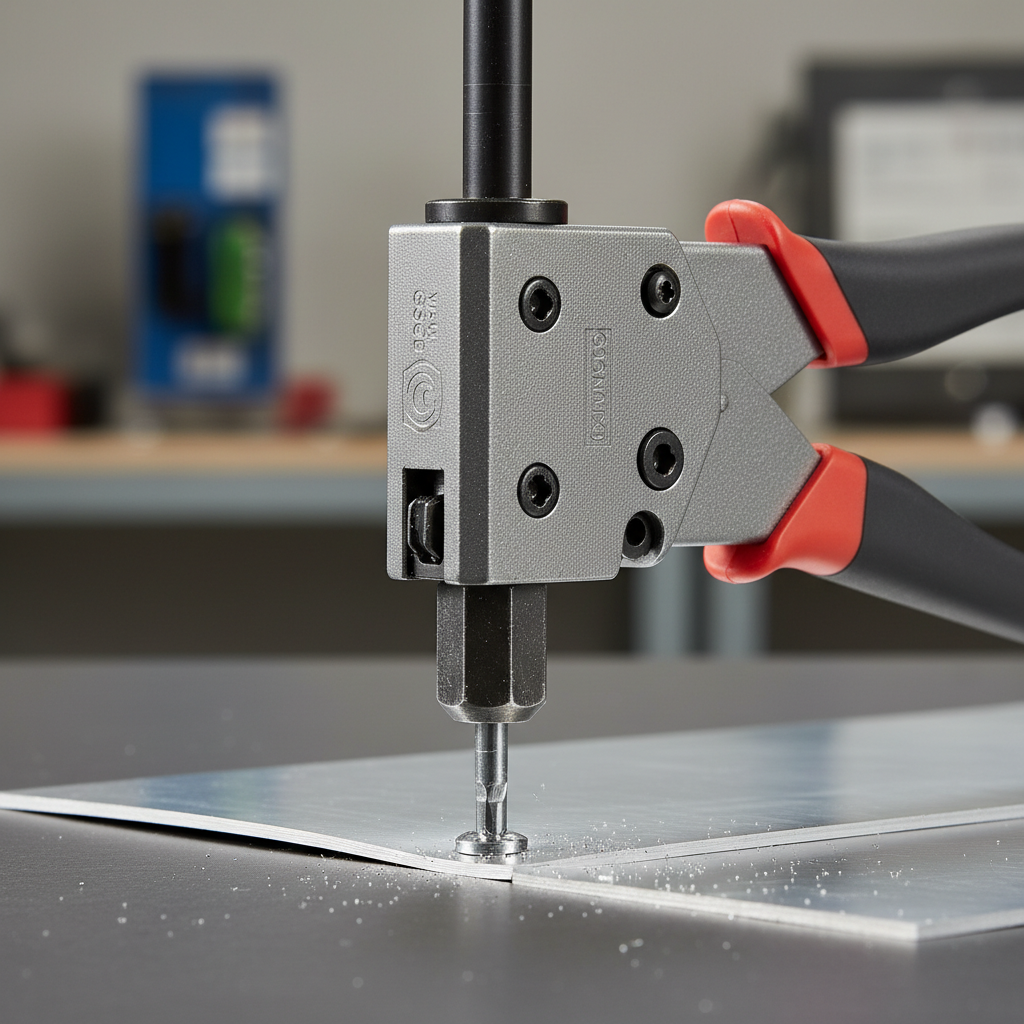
This guide focuses on what actually matters for metal and plastic: rivet types, grip range, leverage, and the little technique details that prevent ugly installs. You’ll also get a quick self-check list, a comparison table, and a few “don’t waste your time” warnings.
Where a manual hand rivet gun makes sense (and where it doesn’t)
A hand riveter shines when you need a simple blind fastener install, meaning you can only reach one side of the work. Think HVAC sheet metal, appliance panels, gutter repairs, light-duty brackets, or quick field fixes.
- Great fit: occasional installs, mixed locations, ladder work, small tool kits, thin metals, many plastics.
- Okay fit: medium batches if you have a long-handle model and consistent rivet size.
- Poor fit: production volume, very large rivets all day, or tight spaces that require a right-angle head.
If you’re doing dozens or hundreds of pulls per day, wrist fatigue becomes the real “cost.” A pneumatic or battery riveter often pays off faster than people expect, even if the manual tool technically works.
Metal vs. plastic: what changes when you pick rivets
The biggest difference is how the material reacts under clamp load. Metal usually tolerates higher compression and heat, while plastic often fails by cracking, stress whitening, or slowly deforming over time.
For metal, the common headache is the rivet not fully setting because the grip range is wrong, the hole is oversized, or the mandrel snaps early. For plastic, the headache is over-squeezing and damaging the panel even though the rivet “sets.”
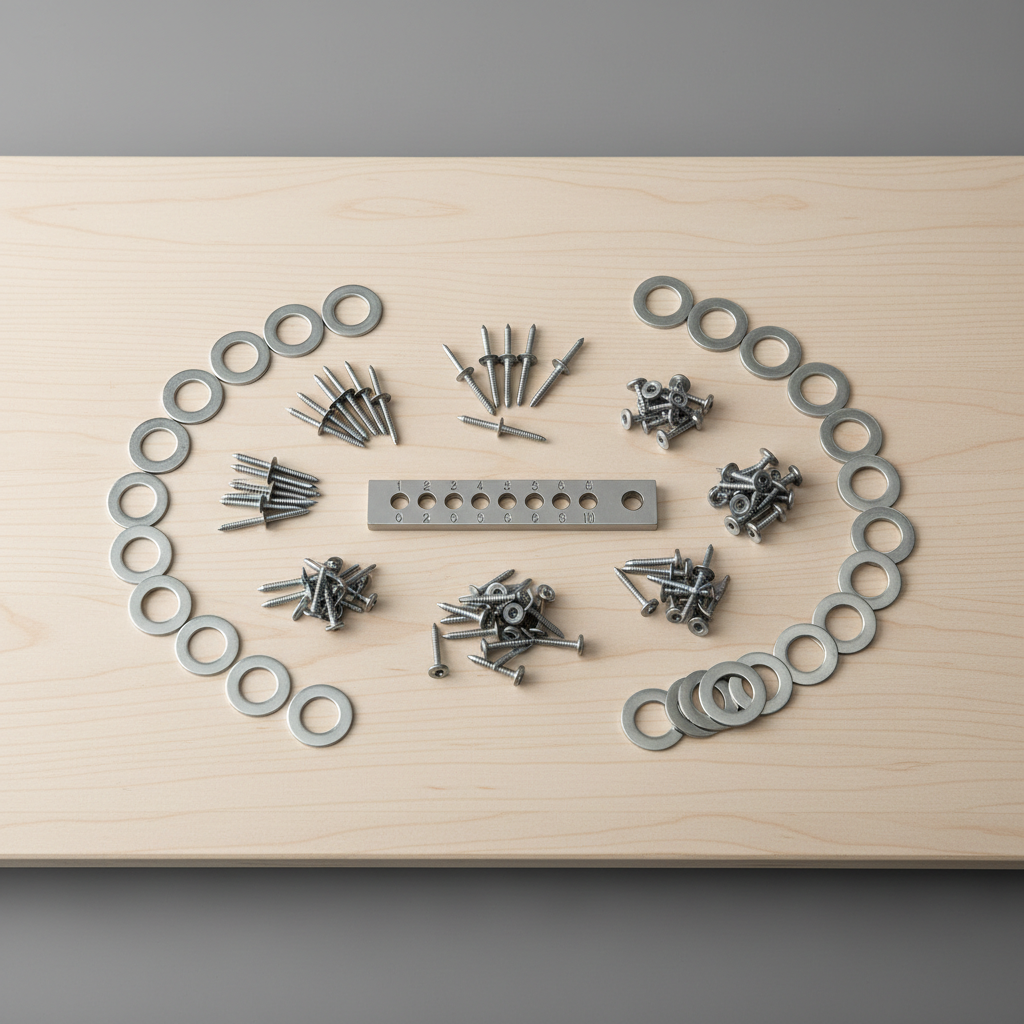
Two practical rules help in many cases (not all):
- Plastic likes larger bearing area: use backing washers when you can, so the rivet head doesn’t “dig in.”
- Thin metal likes clean holes: deburr the hole so the rivet head sits flat and the body expands evenly.
According to OSHA (Occupational Safety and Health Administration), hand and power tools should be maintained and used with appropriate personal protective equipment, which matters here because snapped mandrels can become sharp projectiles.
Quick comparison table: what to look for in a rivet gun hand manual tool
Manual riveters look similar on a shelf, but they don’t feel similar after 30 pulls. Use the table to narrow down what’s worth considering.
| Feature | Why it matters | Best for | Watch-outs |
|---|---|---|---|
| Long handles / compound leverage | Less hand force per pull | 3/16 in rivets, thicker stacks | Needs more swing room |
| Swivel head (multi-angle) | Access around corners | Tight bays, HVAC, vehicles | Can feel less rigid on hard pulls |
| Quick-change nosepieces | Fast switching rivet diameters | Mixed jobs | Easy to misplace tips |
| Mandrel collection bottle | Keeps broken stems contained | Overhead work, clean sites | Adds bulk to the tool |
| Steel body + comfortable grips | Durability and control | Most users | Heavier than budget models |
Self-check: are you using the right setup?
Before you blame the tool, run this quick checklist. Most “bad rivets” come from a mismatch between rivet size, hole, and material stack-up.
- Rivet diameter matches the job? Light panels often do fine with smaller rivets, brackets may need larger diameters.
- Grip range fits your total thickness? Add both materials plus any washers, then confirm the rivet’s stated grip range covers it.
- Hole size correct and clean? Too tight causes deformed rivets, too loose causes spinning and weak clamps.
- Nosepiece correct? A wrong tip can slip and chew mandrels, then you’ll fight every pull.
- Material risk? For brittle plastics, plan for washers or switch fastening method if cracking appears.
If more than one item feels “maybe,” that’s usually the reason the install feels inconsistent, even with a decent rivet gun hand manual model.
Step-by-step: cleaner installs on metal and plastic
1) Drill the hole like you mean it
Use a sharp bit, drill square to the surface, and remove burrs. On thin metal, burrs can hold the rivet head off the surface, which reduces clamp and invites vibration loosening.
2) Dry-fit and confirm alignment
Line up parts before you commit. Blind rivets are forgiving, but they’re not “undoable” in a clean way, drilling them out can enlarge holes fast.
3) Use washers when plastic needs help
Backing washers spread load, often preventing the rivet head from pulling through softer plastic. If the plastic already shows stress whitening around the hole, it may be close to cracking, consider a different fastener or consult a materials specialist for critical parts.
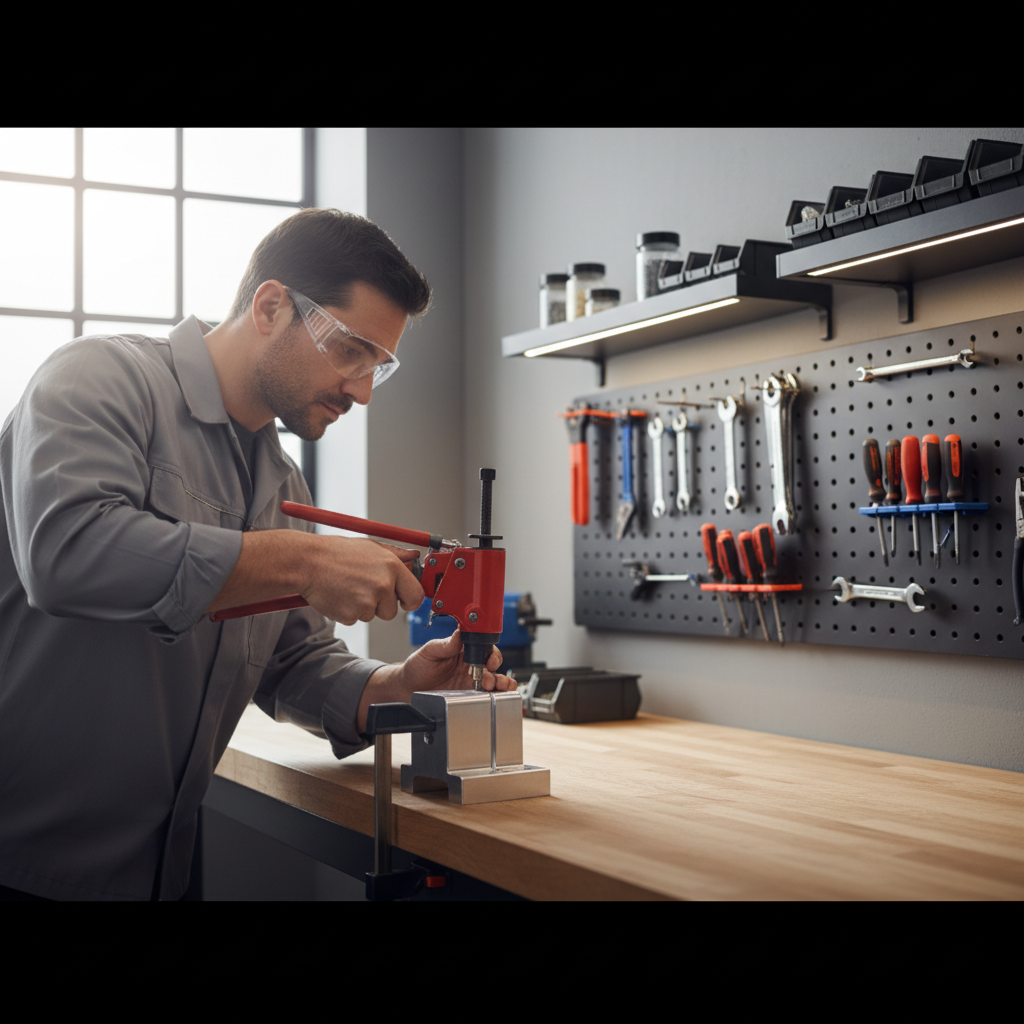
4) Pull smoothly, don’t “pump-fight” the tool
Keep the tool straight in line with the mandrel, squeeze with steady pressure, and let the mechanism do the work. If you feel the nosepiece rocking, reset your grip and re-seat the rivet gun on the mandrel.
5) Check the set, not just the snapped mandrel
A mandrel snap is not a guarantee of a strong joint. Look for a tight head, no gap between materials, and a formed tail on the blind side when visible.
Common mistakes that waste time (and how to avoid them)
- Using “whatever rivets are around”: aluminum, steel, and stainless behave differently and can introduce corrosion issues on certain metals.
- Oversizing holes to “make it easy”: that’s how rivets spin, especially in softer materials.
- Ignoring grip range: too short fails to clamp, too long can buckle thin sheet.
- Buying the smallest riveter for every job: compact is nice, but short handles can turn 3/16 in pulls into a hand-strength contest.
- No PPE: snapped mandrels are sharp, eye protection is a small effort for a big risk reduction.
According to NIOSH (National Institute for Occupational Safety and Health), eye protection is an important control for many shop and construction tasks, which applies directly to riveting where small fragments can fly.
When to upgrade or ask for help
If you keep fighting the same failures, it may not be technique. A few signals usually justify an upgrade or a second opinion:
- High volume work: recurring hand fatigue or inconsistent pull force suggests moving beyond a purely manual riveter.
- Critical joints: safety-related assemblies, load-bearing brackets, or anything regulated should follow engineering guidance, and a professional review may be appropriate.
- Repeated cracking in plastic: you may need different rivet style, larger washers, different hole prep, or a different fastening method entirely.
If your application involves structural loads, pressure vessels, vehicles, or aircraft components, consult a qualified engineer or the equipment manufacturer’s fastening guidance rather than relying on generic advice.
Conclusion: a practical way to get reliable rivets without overthinking it
A rivet gun hand manual tool works well when you match it to the rivet diameter, confirm grip range, and treat metal and plastic as different animals, because they are. Keep holes clean, use washers where plastic needs support, and don’t confuse a snapped mandrel with a strong joint.
If you want one immediate next step, pick one material you work with most, then standardize on one rivet size and one nosepiece setup, your installs get cleaner fast, and your hands will thank you.
FAQ
What size rivets can a manual hand rivet gun handle?
Many hand tools cover common diameters like 3/32 in to 3/16 in, but capacity depends on leverage and build quality. If 3/16 in pulls feel brutal, a longer-handle model usually helps more than “trying harder.”
Why does my rivet spin instead of setting?
Spinning often comes from an oversized hole, soft material, or the rivet not seating fully. Try drilling to the recommended size, deburring, and applying firm pressure to keep the rivet head tight against the surface before pulling.
Can I use pop rivets on plastic?
Usually yes for many non-structural plastic panels, but cracking is a real risk. Backing washers and correct hole sizing help, and if the plastic is brittle or stressed, a different fastener may be safer.
Do I need different rivets for aluminum vs steel sheet?
Often you do. Material choice affects strength and corrosion behavior. If the assembly lives outdoors or in a wet area, think about galvanic corrosion and check manufacturer guidance for compatible combinations.
How do I remove a rivet if I made a mistake?
Drill the head carefully with a bit close to the rivet body diameter, then push the remaining body through. Go slow to avoid enlarging the hole, especially in thin sheet or plastic.
Why does the mandrel break too early?
This can happen with the wrong grip range, a tilted tool, or a worn nosepiece that can’t hold the mandrel properly. Confirm the rivet spec, re-seat the tool straight, and inspect the tip for wear.
Is a swivel-head hand riveter worth it?
If access is your main problem, yes, it can be a practical upgrade. If hand force is the main problem, leverage and handle length usually matter more than a swivel head.
If you’re trying to choose a manual riveter for mixed metal and plastic jobs, and you’d rather not guess, make a short list of your common rivet sizes, material thickness, and access constraints, then match the tool features to that reality, it’s the fastest way to end up with a setup you’ll actually like using.