
Lag bolt eye hook assortment sounds simple until you’re halfway through a project and realize the “random mix” in your box doesn’t match your studs, load, or environment. This guide helps you choose an assortment that actually gets used, not one that sits in a drawer.
If you’re hanging porch swings, plants, garage storage, light fixtures, or tie-down points, the failure mode is rarely the hook itself, it’s usually the wrong thread size, the wrong embed depth, or corrosion from the wrong finish. A good kit saves time, but only if the sizes and materials fit your typical jobs.
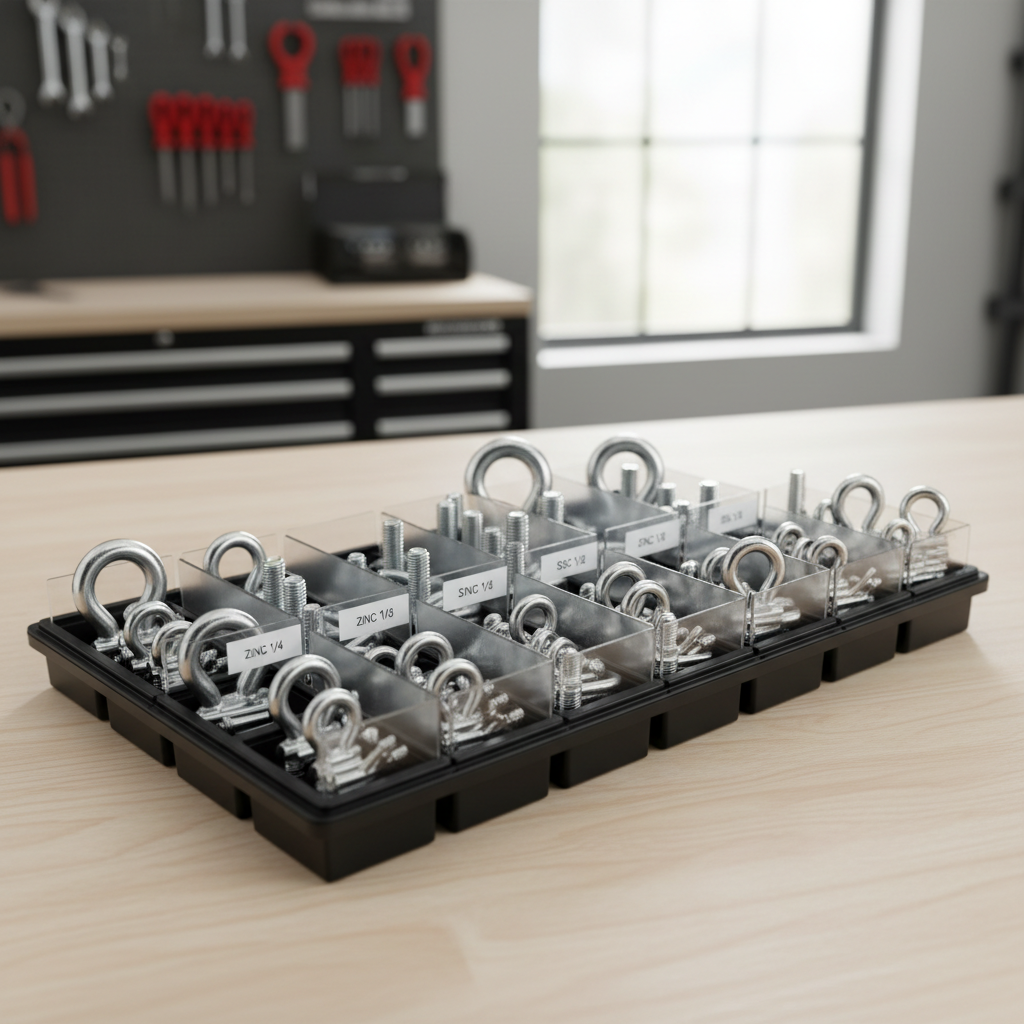
I’ll also call out the common traps: mixing eye screws with lag eye bolts, using drywall anchors for overhead loads, and assuming “working load” equals “it won’t ever fail.” You’ll get a quick checklist, a sizing table, and practical install steps that match real US framing and materials.
What an eye hook vs. a lag eye bolt really is (and why assortments get mislabeled)
In everyday shopping, “eye hook” can mean a few different fasteners. For structural hanging, you usually want a lag eye bolt, basically a heavy eye with coarse wood threads meant to bite into a stud, beam, or joist. Lighter “eye screws” often have thinner shanks and smaller eyes, fine for decor, not great for loads.
Assortment listings sometimes blend both terms. When you’re scanning a product page, look for these signals that it’s the heavier style: thicker shank, deeper coarse threads, and an eye that can accept a carabiner or quick link without bending.
- Lag eye bolt: coarse threads, meant for wood framing, common for garages, sheds, decks (when properly rated and installed).
- Eye screw: lighter duty, often for indoor utility and light hanging.
- Shoulder eye bolt: machine-threaded, used with nuts/plates in metal or through-bolting; usually not what “lag assortment” means.
Why people buy an assortment (and still end up making a second trip)
Most assortment disappointments come from mismatch, not quality. A kit can be well-made and still wrong for your work style.
- Too many short lengths: they look handy, but don’t give enough embedment into a stud once you account for drywall thickness.
- One diameter only: you end up needing a thicker shank for higher load, or a smaller size for tight spacing.
- Wrong finish for the environment: zinc-plated hardware can corrode outside or in coastal air, which becomes a safety issue, not just “ugly.”
- No matching accessories: washers, quick links, carabiners, or chain often become the real bottleneck.
According to OSHA, overhead lifting and rigging requires using appropriately rated hardware and following safe practices, and many consumer eye hooks are not meant for lifting people or hoisting loads. For home projects, the same caution applies: if the consequences of failure are serious, choose hardware with clear ratings and consider professional input.
Quick self-check: what kind of assortment fits your projects?
If you answer these in two minutes, you’ll avoid buying “the big box of maybes.”
- Install surface: solid wood stud/joist, engineered lumber, masonry, metal, or unknown?
- Location: indoor dry, garage humidity, outdoor rain, coastal salt air?
- Load type: static (plant), dynamic (swing), side-load (tie-down), overhead (storage net)?
- Access: can you through-bolt with a backing plate, or only screw into wood?
- Typical gear: do you clip with carabiners, S-hooks, rope, chain, bungee?
Rule of thumb that keeps people out of trouble: if it’s overhead, dynamic, or near people, treat the choice as a safety decision, not a convenience purchase.
Size and material basics that matter more than “piece count”
Piece count sells assortments, but performance comes from diameter, length, and material. Many kits skip the sizes you actually reach for, like mid-length hooks that get past drywall and still embed well into framing.
A practical sizing table (what people typically use)
Exact load capacity depends on manufacturer ratings, wood species, embed depth, and install quality. Use the table as a starting point, then confirm on the packaging or spec sheet for your chosen hardware.
| Common Use | Typical Diameter | Typical Length | Finish/Material Hint |
|---|---|---|---|
| Light indoor hanging (decor, light plants) | #10–1/4 in | 1-1/2–2 in | Zinc plated often OK indoors |
| Garage organization (bikes, cords, tools) | 1/4–5/16 in | 2–3 in | Zinc plated or coated, watch humidity |
| Outdoor hanging (planters, lights) | 5/16 in | 2-1/2–4 in | Stainless or hot-dip galvanized preferred |
| Dynamic loads (swings, punching bag setups) | 3/8 in+ | 3–6 in | Use rated hardware, consider through-bolting |
Material and finish: don’t let corrosion pick for you
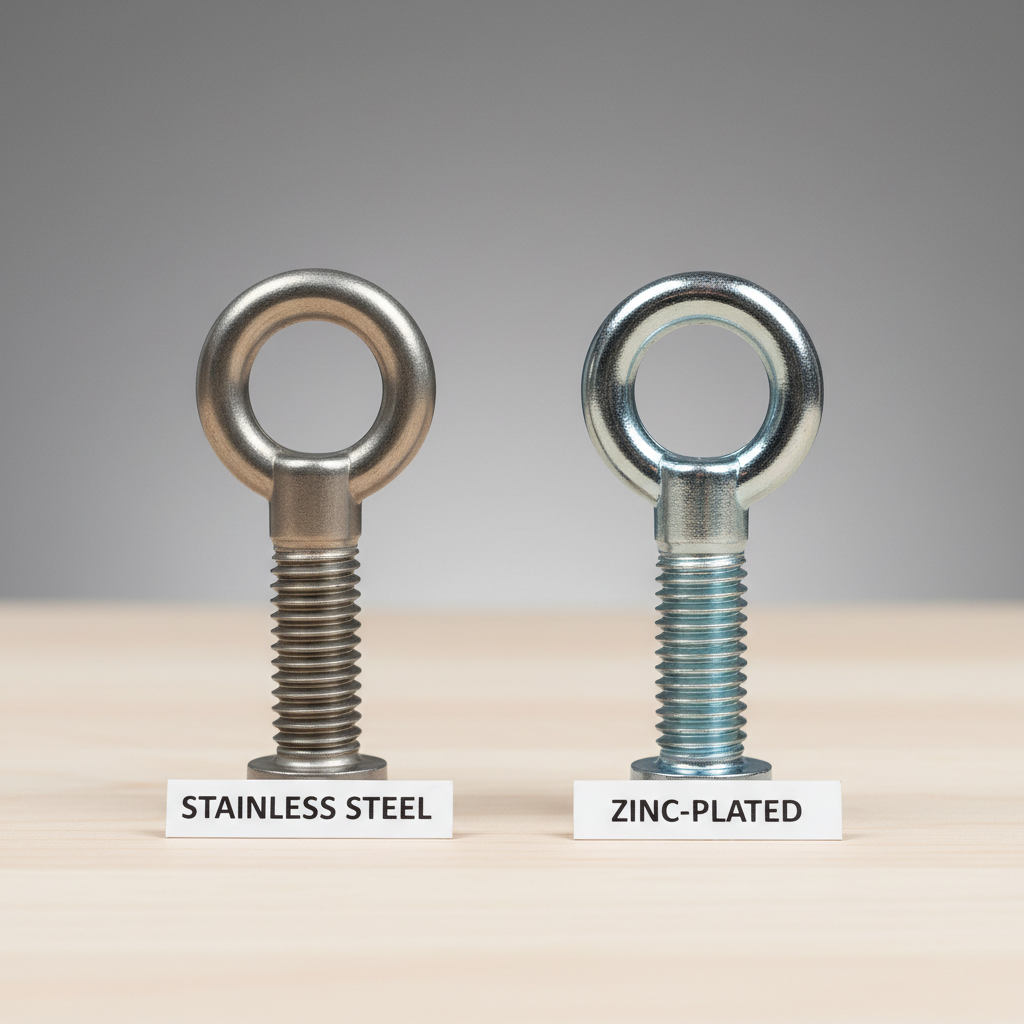
- Zinc plated: common, affordable, fine for many indoor dry uses.
- Hot-dip galvanized: better for outdoor exposure, bulkier coating, sometimes a rougher finish.
- Stainless steel: strong corrosion resistance, often the safer bet for damp, coastal, or long-term outdoor installs, though cost is higher.
If the assortment doesn’t clearly state material/finish, that’s a small red flag. Ambiguous listings often mean inconsistent hardware sourcing.
How to install lag eye bolts so they hold (step-by-step)
Most failures come from skipping pilot holes or installing into the wrong material. If you only remember one thing, remember this: find solid wood, pre-drill, and embed enough thread.
Step-by-step for wood studs/joists
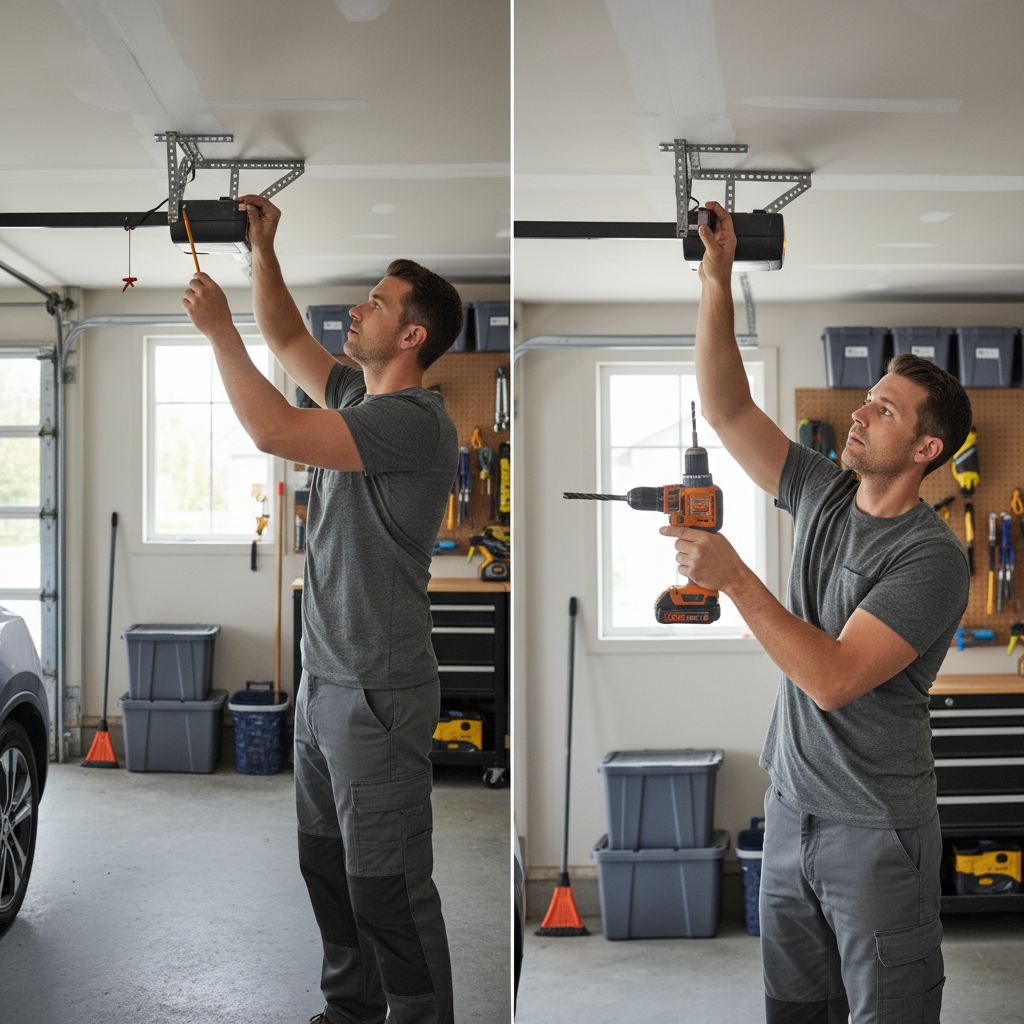
- Locate framing: use a stud finder, then confirm with a small test hole if needed.
- Mark and plan clearance: make sure the eye won’t rub drywall edges or block a garage door track.
- Drill a pilot hole: match the pilot size to the manufacturer guidance when available. Too small can split wood, too large reduces holding power.
- Drive slowly: twist by hand or use a rod/screwdriver through the eye for leverage. Power tools can over-torque and weaken the wood fibers.
- Check orientation: for directional loads, align the eye so the pull stays in the plane intended by the manufacturer.
According to CDC, ladder safety matters because falls are a common injury risk during home projects. If you’re working overhead, use a stable ladder, keep three points of contact when possible, and stop if you feel rushed or off-balance.
Picking the right assortment: what to look for on the label
When you compare a few kits, this is the stuff that actually predicts whether it becomes your “go-to box.”
- Range of diameters: at least two, ideally three. A one-diameter kit rarely covers real needs.
- Useful lengths: include mid-length options, not just very short and very long.
- Clear material disclosure: zinc vs stainless vs galvanized should be stated plainly.
- Eye size that matches your connectors: carabiners and quick links need clearance, small eyes become annoying fast.
- Organized case: sounds minor, but if sizes mix, you waste time and cross-thread mistakes happen.
Key takeaway: an assortment earns its place when it matches your environment and your “most common install,” not when it has the biggest number on the box.
Mistakes to avoid (these waste money and can create safety issues)
- Using into drywall or thin paneling: if you can’t hit framing, consider a different method, like through-bolting with a backing plate, or a rated anchor system designed for that substrate.
- Assuming “it feels tight” means safe: wood can be cracked, stripped, or too shallow even when the eye stops turning.
- Side-loading an eye not designed for it: many eyes are stronger when pulled straight out, not pried sideways. Check the manufacturer notes when available.
- Mixing metals outdoors: stainless with certain galvanized parts can create galvanic corrosion in wet conditions, this varies by setup, but it’s worth thinking about.
- Overhead or human loads with unrated hardware: swings, hammocks, and gym attachments deserve rated assemblies and conservative choices.
When it’s time to get help or upgrade the hardware
If the project involves people, valuable equipment, or anything overhead in a busy area, it’s reasonable to pause and ask a contractor or engineer for input, especially when you’re unsure about the structure behind the surface.
- You can’t confirm you’re in a stud, joist, or beam.
- The load is dynamic, or you expect shock loading.
- You’re installing into old, cracked, or questionable wood.
- You need to mount into masonry or metal and the assortment is wood-thread only.
In many cases, the “upgrade” is simply moving from a lag-style eye to a through-bolt with washers/backing plate so the load spreads over more material, not just threads.
Conclusion: a smart assortment is about fit, not variety
A lag bolt eye hook assortment is worth buying when it matches your usual materials, includes the mid-range sizes you’ll actually grab, and clearly states finish and intended use. If you’re mostly indoors, zinc kits can be fine; if you’re outdoors or near moisture, stainless or galvanized becomes the more practical choice.
If you want one action step today, open your toolbox and list your top three hanging jobs, then pick an assortment that covers those diameters and lengths with clear labeling. If your use is overhead or dynamic, consider stepping up to rated hardware or through-bolting instead of trying to make a generic kit work.
FAQ
What’s the difference between an eye hook and a lag eye bolt?
Retailers often mix terms, but a lag eye bolt typically has thicker shank and coarse wood threads meant for studs and joists. Lighter eye screws are more for small indoor hanging where loads stay modest.
How do I know what size lag eye bolt I need?
Start with where it mounts and how the load behaves. For many garage and light outdoor tasks, 1/4 in to 5/16 in diameters with 2–3 in length are common, but you should confirm the manufacturer rating and make sure you have enough embed depth into solid wood.
Can I install a lag eye bolt into drywall with an anchor?
For light items, some anchors can work, but drywall is a weak substrate and failures tend to be sudden. If the load is overhead, dynamic, or could injure someone, it’s safer to mount into framing or use a substrate-appropriate, rated anchoring method and consult a pro if unsure.
Is stainless steel always better than zinc-plated?
Not always “better,” just more corrosion resistant in many real-world conditions. Indoors, zinc-plated hardware is often fine. Outdoors, damp garages, or coastal air, stainless (or hot-dip galvanized) usually holds up longer.
Do I need to pre-drill for lag eye bolts?
In most wood installs, yes. A pilot hole reduces splitting and makes it easier to seat the fastener without over-torquing. Pilot size varies by diameter and wood type, so check packaging guidance when available.
Can I use an eye hook kit for a porch swing?
This depends on the kit and how it’s installed. Swings create dynamic loads, so you generally want clearly rated hardware and strong framing, and many people choose through-bolting with plates rather than relying on threads alone.
What should a good assortment include besides hooks?
A labeled organizer case helps more than you’d think, and it’s useful when the kit pairs well with common connectors like quick links. Some projects also need washers, chain, or rope hardware, which many assortments don’t include.
If you’re trying to avoid a half-working mix of sizes, it helps to choose a kit based on your most common install surface and environment, then fill the gaps with a few “repeat sizes” you use constantly. That approach usually feels more satisfying than buying the biggest box and hoping it covers everything.