
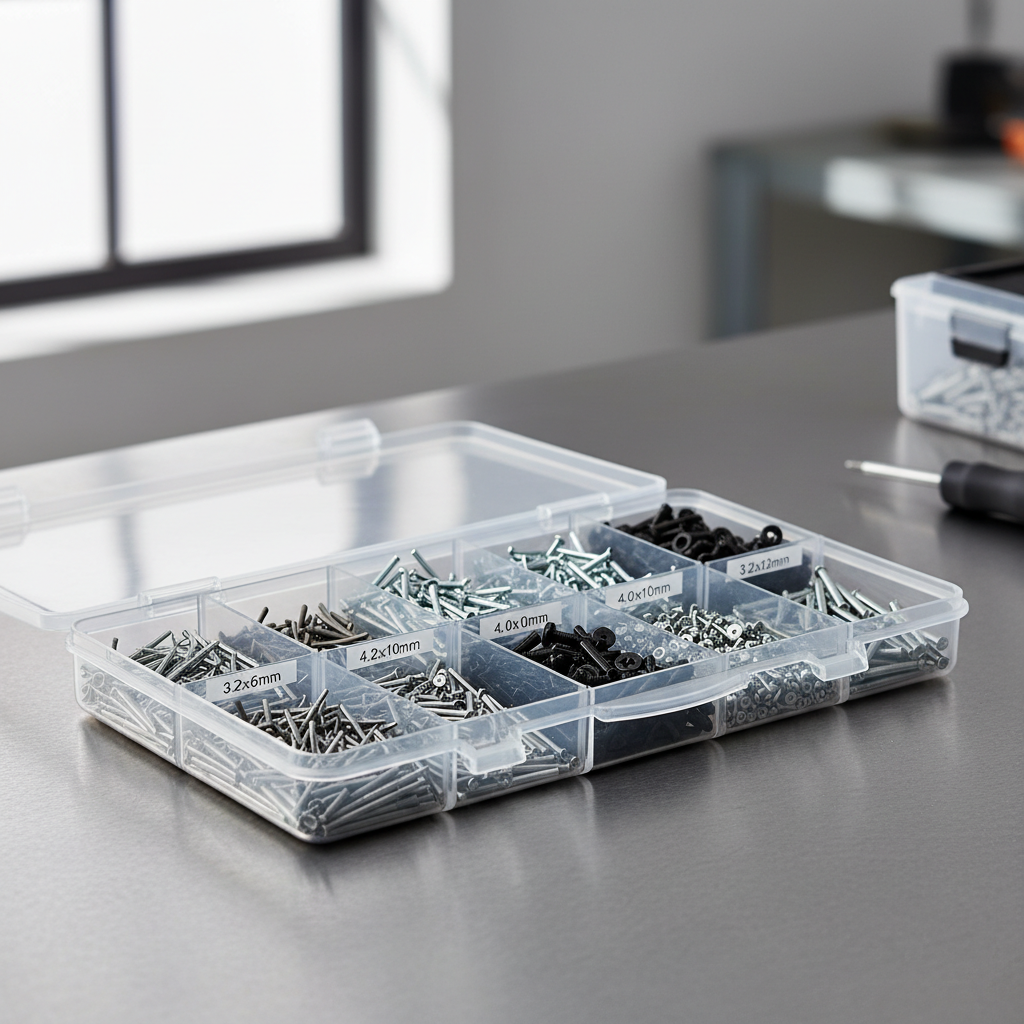
Blind rivet set assorted kits are the quickest way to get metal jobs done when you do not know the exact rivet size you will need, or when the job changes halfway through and you cannot afford a parts run.
The catch is that “assorted” can mean anything from a genuinely useful spread of diameters and grip ranges, to a box that looks full but leaves you stuck when thickness, head style, or material mismatches the joint.
This guide breaks down what matters for metal work, how to pick a kit that fits your typical projects, and how to set rivets so they clamp tight without spinning or pulling through.
Why an assorted blind rivet set helps with metal projects
For sheet metal, brackets, HVAC panels, trailer skins, or light fabrication, the “right” rivet depends on more than hole diameter. A mixed kit earns its keep in a few common situations.
- Unknown total thickness: field repairs often involve layered metal, paint, sealant, or backing plates that change grip needs.
- Multiple joint types in one job: lap joints, angle brackets, and thin-to-thick transitions rarely share one rivet length.
- Standardization across a shop: keeping a predictable assortment reduces improvising with whatever is left in a drawer.
- Fewer tool changes: if your rivet tool and nosepieces cover the kit sizes, you can move fast without rethinking the whole setup.
In many cases, the best value is not “more pieces,” it is the right distribution of common sizes plus a few longer grips for surprises.
What “assorted” should include: size, grip range, head style, and material
When people feel burned by an assortment, it is usually because one of these four areas did not match the job.
1) Diameter and hole fit
Blind rivets are typically referenced by diameter (for example, 1/8 in or 3/16 in). Your drilled hole needs to match the rivet body, not the mandrel. Too tight and the rivet will not seat; too loose and the rivet may not clamp well.
2) Grip range (the make-or-break detail)
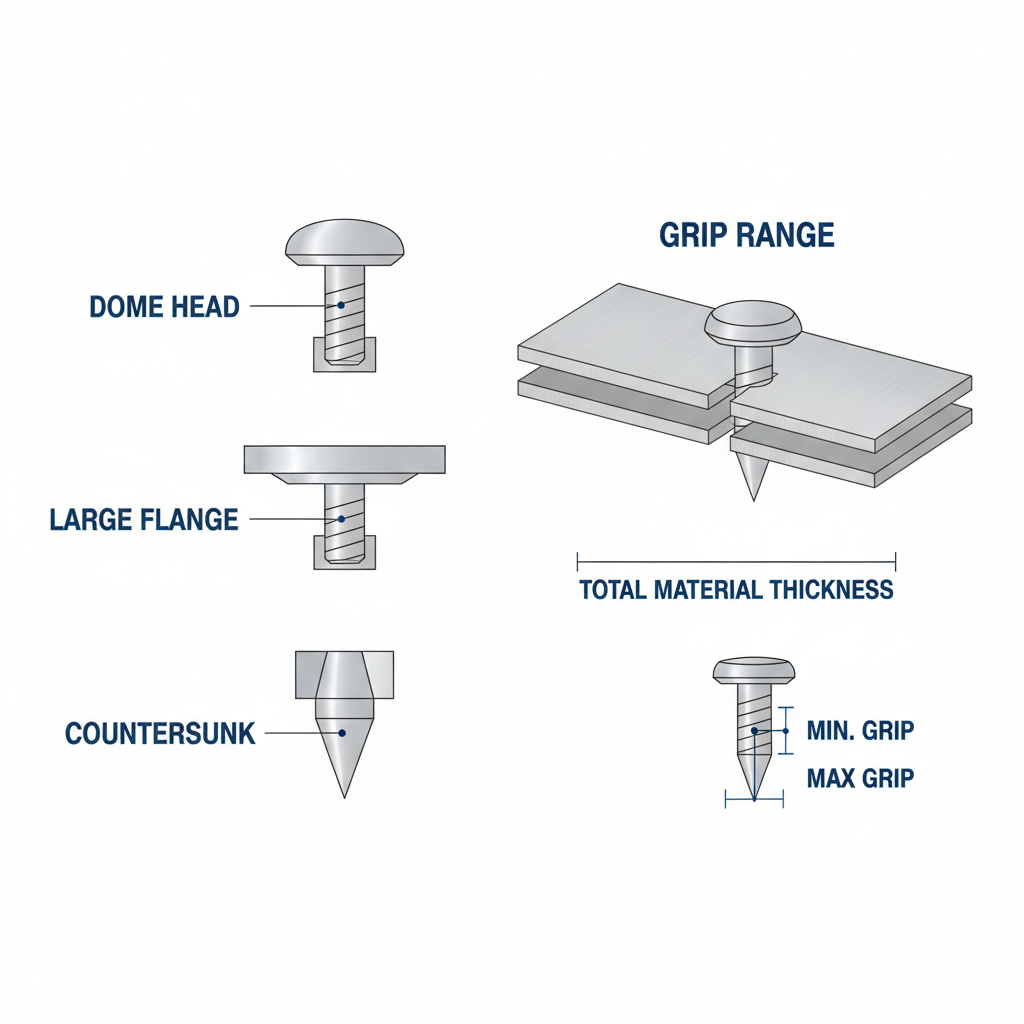
Grip range is the total material thickness the rivet can clamp. If the grip is too short, the rivet may not form a proper bulb on the blind side. If too long, it may set but feel loose and “rattle” under load.
3) Head style
- Dome/round head: common for general sheet metal, decent bearing area.
- Large flange: helps on thin or softer sheet, spreads load to reduce pull-through.
- Countersunk: sits flush, but needs a countersink and often reduces bearing area, so it is more sensitive to thin material.
4) Rivet and mandrel material
For metal work, aluminum rivets are easy to set, but may not be ideal for higher strength or high-heat environments. Steel or stainless can hold better, but require more pull force and a sturdier tool. Corrosion compatibility matters too.
According to NASA (fastener selection guidance used broadly as a reference), material compatibility is a key consideration for avoiding galvanic corrosion in mixed-metal assemblies, especially in wet or salty environments.
Quick self-check: which assortment matches your work?
If you are choosing a blind rivet set assorted kit for metal, these questions narrow it down fast.
- What thickness do you actually fasten most weeks: two thin sheets, or thin sheet into a thicker bracket?
- Is appearance important: visible panels may favor countersunk or uniform dome heads.
- Do you work outdoors or near salt, chemicals, or moisture: you may need stainless or at least corrosion-aware pairing.
- What tool do you own: hand riveter, lever riveter, pneumatic, battery riveter; not all handle steel/stainless comfortably.
- Do you deal with oversize holes from repairs: large flange options can save time.
If you cannot answer thickness confidently, pick a kit with more grip lengths per diameter rather than one that only changes diameter.
Recommended assortment mix (with a practical table)
Below is a realistic way to think about a useful kit. Exact sizing varies by manufacturer, but the concept holds: cover common diameters, and make sure each has several grip ranges.
| Common use case | What to prioritize in an assorted kit | Why it matters |
|---|---|---|
| Light sheet metal panels (HVAC, enclosures) | Dome head, 1/8 in diameter, multiple short-to-mid grips | Most joints are thin, but thickness swings with overlaps and seams |
| Repairs with worn or oversized holes | Large flange options, plus a step up in diameter | Extra bearing area helps prevent pull-through on thin sheet |
| Brackets and mixed thickness (thin-to-thick) | 3/16 in diameter with mid-to-long grip range | Longer grip forms a better blind-side bulb on thicker stacks |
| Outdoor / corrosive environments | Stainless or corrosion-conscious pairing; sealed/closed-end if needed | Reduces corrosion risk and water intrusion in many situations |
One more reality check: if the kit is mostly one length repeated in multiple bags, it is not really an “assortment,” it is a bulk pack with a few extras.
How to install blind rivets in metal without loose joints or spinning
A blind rivet can look set while the joint is still weak. These steps reduce the common failures.
Step-by-step install
- Drill clean, round holes with the correct bit size. Burrs cause gaps and can keep the head from seating flat.
- Deburr both sides when possible. Even a quick pass makes the clamp feel tighter.
- Confirm grip range by checking total thickness at the joint, not just sheet gauge on paper.
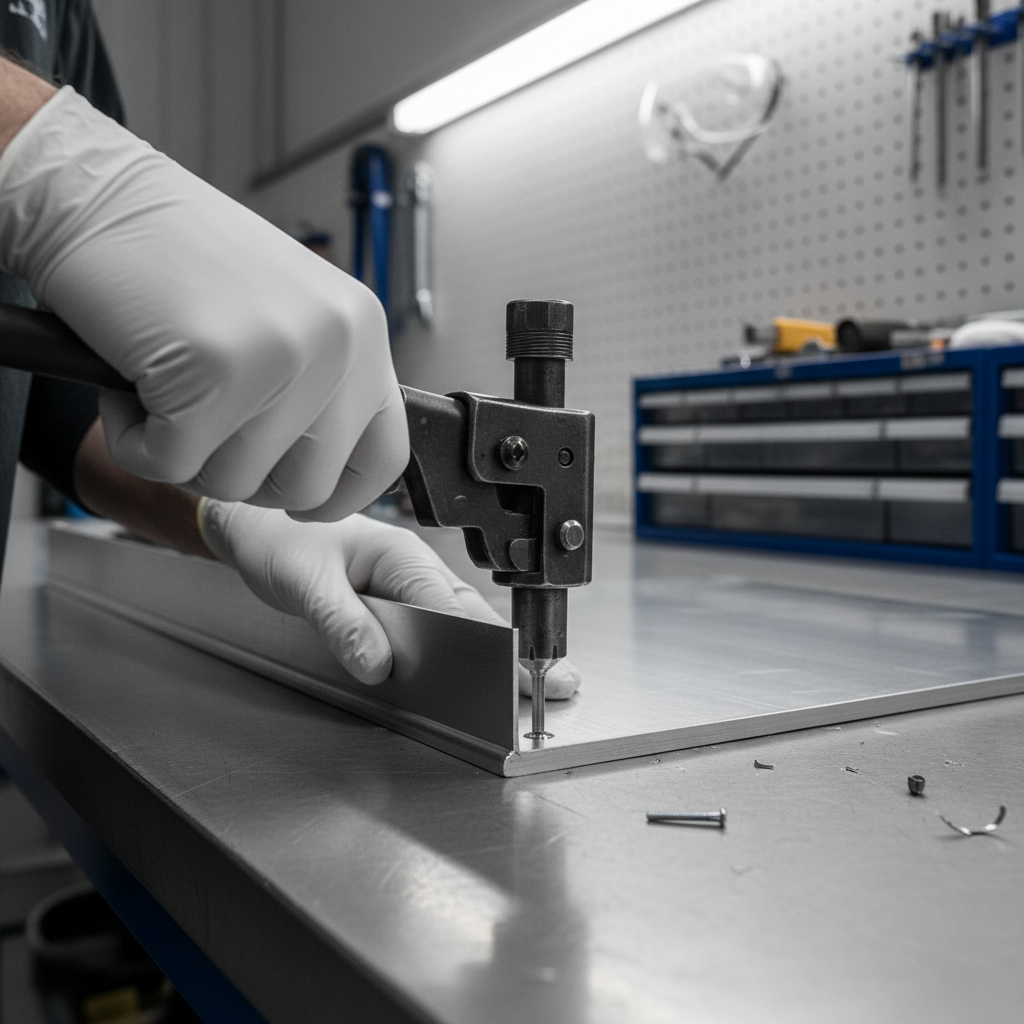
- Keep the tool square to the work. Angled pulling can deform the head and reduce clamp.
- Pull until the mandrel snaps, then stop. Over-pulling with some tools can distort thin metal.
If the rivet spins while pulling
- The hole is often too large, or the rivet body is too small for the hole.
- Switch to a slightly larger diameter, or use a large flange rivet where appropriate.
- In repairs, consider a backing washer on the blind side if you have access, though that changes the “blind” advantage.
Common mistakes and safety notes (worth reading once)
Most problems trace back to rushing the hole prep or guessing on grip. A few others show up often.
- Mixing metals without thinking: aluminum rivet in steel panels outdoors may corrode faster in many conditions. If corrosion matters, consider compatible materials and coatings.
- Using a weak hand riveter for steel/stainless: it can partially set rivets, leaving low clamp load. If pulling force feels extreme, a better tool may be the real fix.
- Ignoring backside clearance: the blind-side bulb needs room. Tight cavities can prevent full formation.
- Not wearing eye protection: mandrels snap and can eject small fragments. OSHA-style shop guidance generally recommends eye protection for fastening and cutting operations.
According to OSHA (eye and face protection guidance), appropriate eye protection is recommended when hazards from flying particles may be present. If your environment has specific requirements, it is smart to follow site rules or consult a safety professional.
When to upgrade from an assorted kit or ask for help
A mixed set is great for day-to-day work, but it is not always the right answer.
- Structural or safety-critical joints: trailers, load-bearing brackets, or anything regulated often calls for specified fasteners and documented strength. Consider an engineer or qualified technician review.
- High vibration: you may need structural rivets, lockbolts, or a different fastening method.
- Sealed joints for weather: closed-end rivets or sealant steps may be needed, depending on the enclosure.
- Production volume: once sizes stabilize, buying the top 2–3 sizes in bulk beats refilling assortments.
Key takeaways and a simple buying checklist
If you want one quick filter before you buy, focus on what affects results: grip range, material compatibility, and whether your tool can set the harder rivets.
- Choose by grip range first, diameter second, piece count last.
- Match rivet material to environment as much as practical, especially outdoors.
- Pick head style on purpose: large flange for thin sheet, countersunk only when flush matters.
- Test three rivets on scrap metal, you will learn more than from the label.
If your current kit keeps leaving you with loose clamps or missing lengths, that is usually a sign the assortment mix does not match your thickness range, not that blind rivets “do not work.”
FAQ
What is included in a blind rivet set assorted kit?
Usually a range of diameters and lengths, sometimes mixed head styles. The useful kits clearly list grip ranges and material types, not just total piece count.
How do I choose the right grip range for sheet metal?
Measure the total stack thickness at the joint, including overlapping sheets and paint buildup if it is significant. Then choose a rivet whose grip range covers that thickness without being at the extreme end.
Are aluminum rivets OK for metal-to-metal fastening?
Often yes for light-duty sheet metal, but strength and corrosion conditions vary. For outdoor or harsher conditions, many people move toward steel or stainless, assuming their tool can set them reliably.
Why do my blind rivets feel loose even after the mandrel snaps?
The most common causes are wrong grip range, an oversized hole, or the tool not pulling straight. Try a different length within the same diameter and re-check hole size and deburring.
Do I need a pneumatic or battery riveter for an assortment pack?
Not always. For aluminum rivets, many hand tools work fine. If your assorted kit includes steel or stainless, a stronger tool becomes more important, otherwise you may get partial sets.
Can I use countersunk rivets in thin sheet metal?
You can, but it is less forgiving because the flush head reduces bearing area. If the sheet is very thin or the hole is not perfect, a dome head or large flange option may hold better.
What is the fastest way to avoid buying the wrong assorted kit online?
Look for a chart that lists diameter, length, and grip range for each compartment, plus rivet and mandrel materials. If the listing only highlights “500pcs” and little else, it is a gamble.
If you are stocking a shop and want a more “no-surprises” setup, it often helps to choose a blind rivet set assorted kit based on your typical metal thickness range, then add one bulk bag of the size you use most so you stop raiding the organizer every week.