
Meter key tool utility is the small, unglamorous tool most people only think about when they’re locked out of a gas or water shutoff, a meter lid won’t budge, or a contractor asks, “Do you have a key for that?” If you’ve ever tried using pliers or a screwdriver and ended up with scraped knuckles or a bent lid, you’re not alone.
In many U.S. homes, the meter and shutoff sit in a curb box or ground-level vault, exposed to dirt, rust, and weather. That setup keeps utilities accessible, but it also makes access tricky when you need it fast, like during a leak, a remodel, or a meter swap.
This guide breaks down what the tool does, when it matters, how to choose a style that fits your meter box, and how to use it without making a bad situation worse. If you only read one section, jump to the checklist and the “when to call a pro” notes, that’s where most real-world headaches show up.
What a meter key tool does (and what it doesn’t)
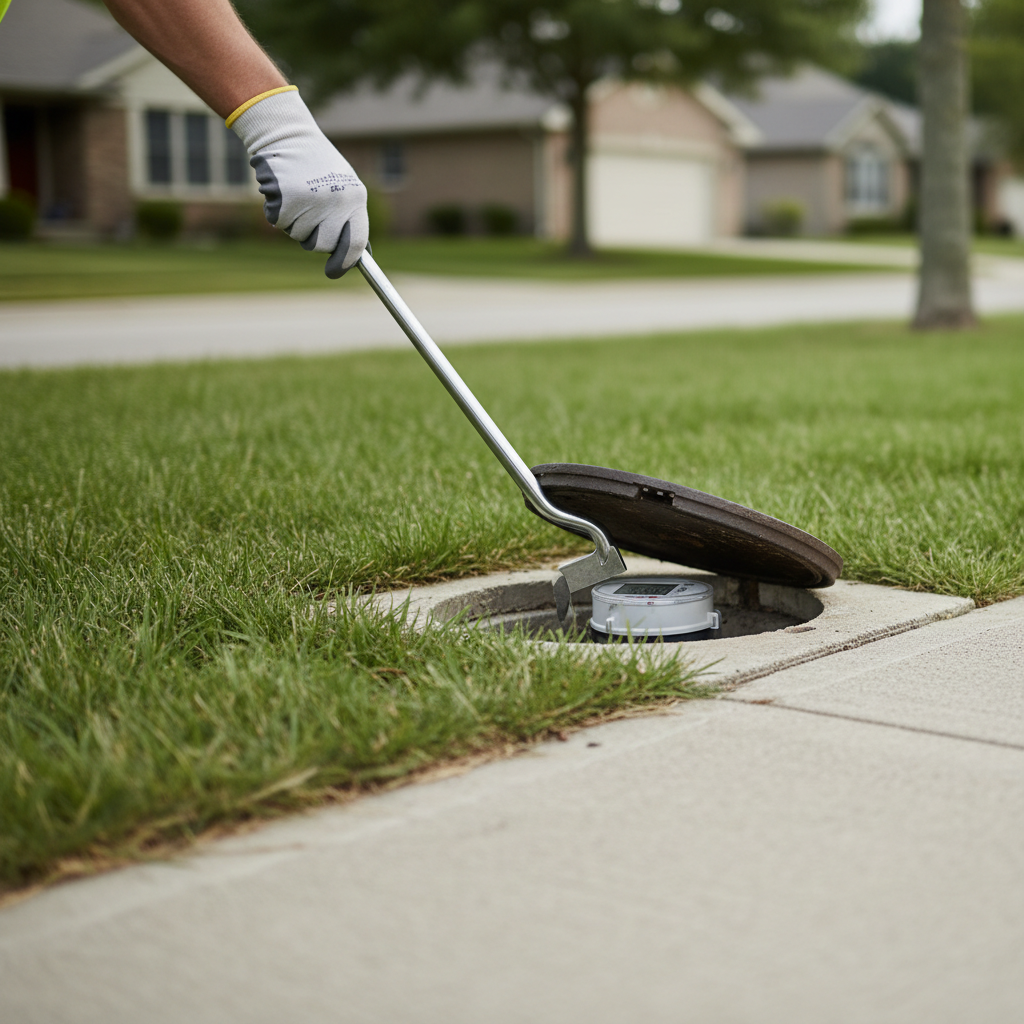
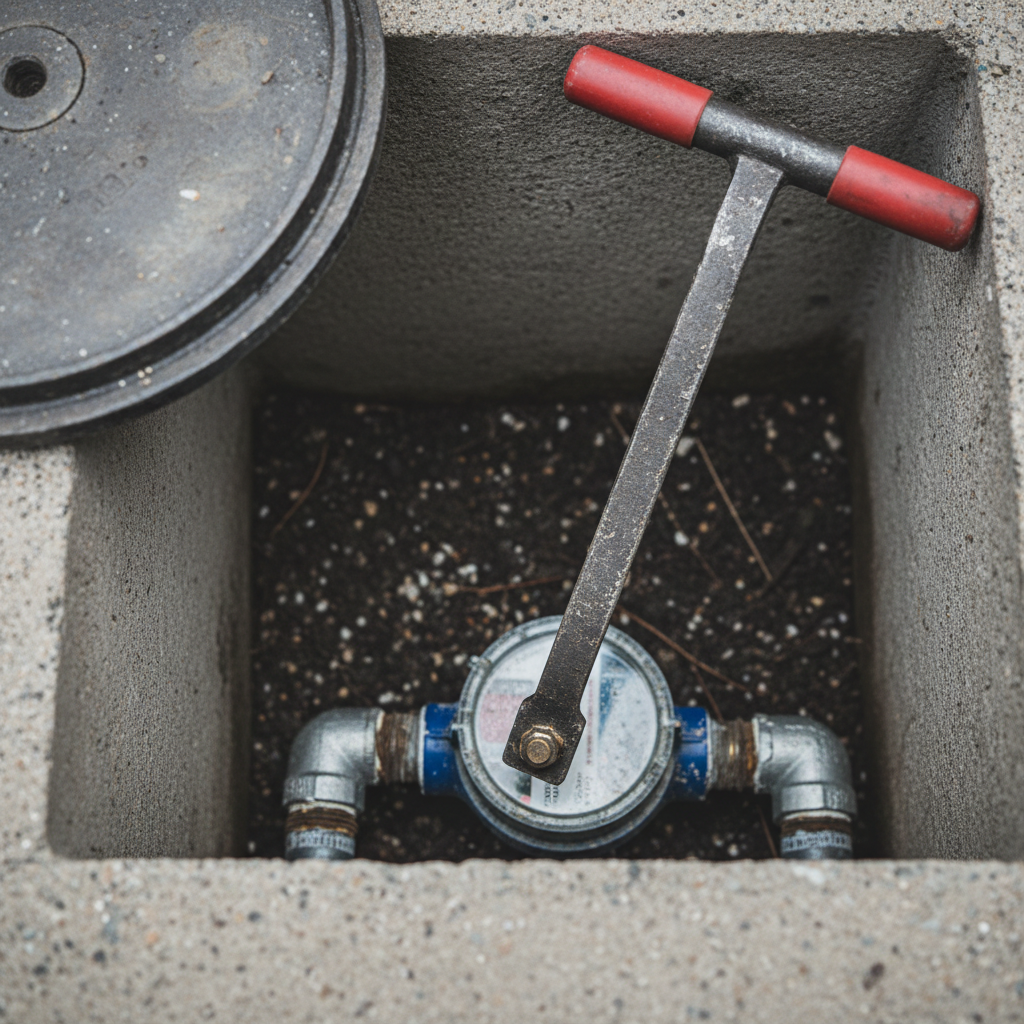
A meter key tool is designed to give you controlled leverage to lift a meter box lid and, in many setups, operate a shutoff valve located below grade. Most tools use a long shaft and a T-handle to keep your hands above the opening while still letting you apply torque.
What it does not do is “fit every utility in every city.” Meter boxes, lids, and valves vary by utility district, property age, and whether you’re dealing with water, gas, irrigation, or a submeter.
- Common use: lifting a curb box lid that has a keyhole slot or pick point
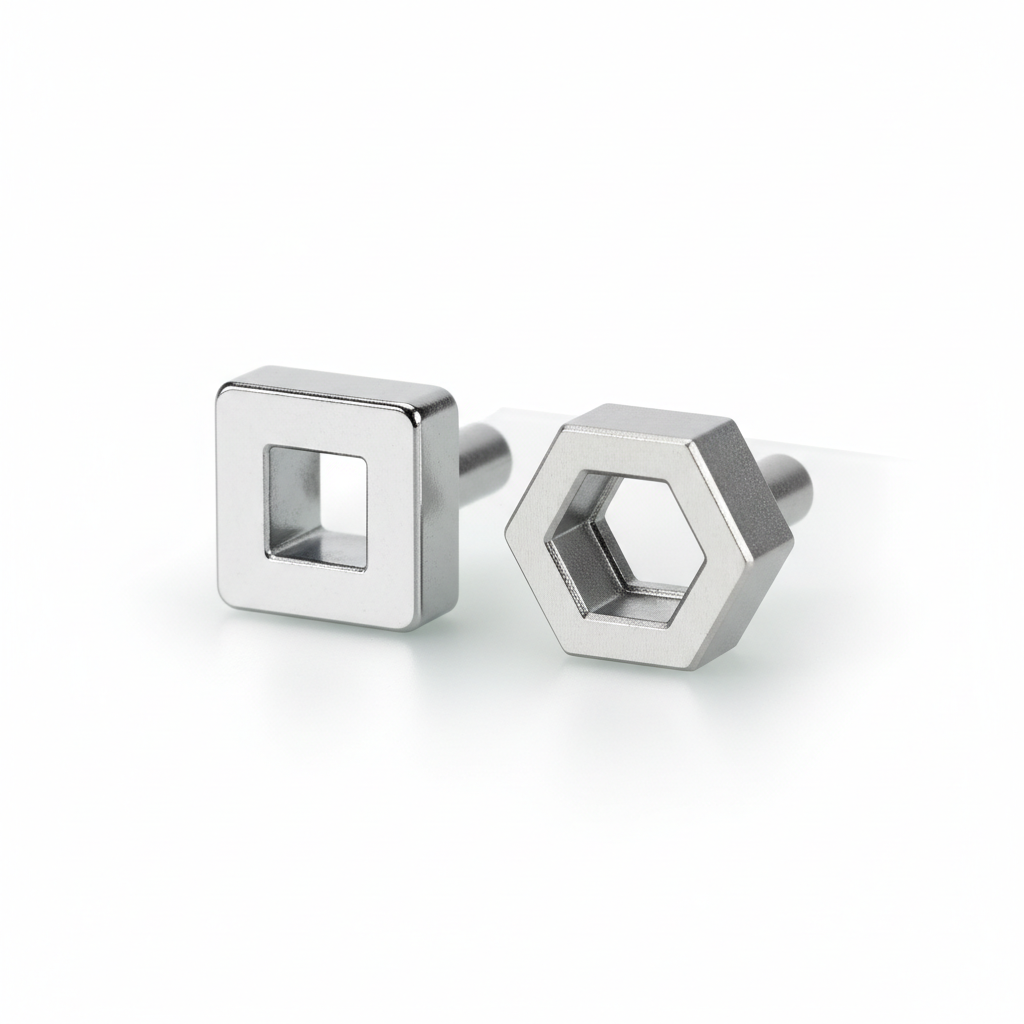
- Common use: turning a below-grade shutoff with a pentagon, square, or other stem
- Not guaranteed: working on locked utility-only valves or specialized caps
Why meter access becomes a problem in real homes
Most “I need a meter key” moments come from friction, literally. Dirt packs around lids, metal corrodes, and the box rim shifts with soil movement. Then someone tries a flathead screwdriver and wedges it, which can chip concrete collars or deform plastic lids.
Other common triggers:
- Emergencies: a supply line leak where you need a fast shutoff
- Projects: replacing a water heater, main valve, or adding filtration
- Billing or inspection: needing access for a plumber, backflow test, or meter read issue
- Seasonal: irrigation start-up or winterization where valves sit in a buried box
There’s also a safety angle. Gas meter and shutoff topics tend to raise the stakes, and many utilities prefer customers avoid touching certain components. According to U.S. Department of Transportation (PHMSA), if you suspect a gas leak you should leave the area and contact your gas utility or 911, rather than troubleshooting equipment yourself.
Quick self-check: do you actually need a meter key tool?
Before buying anything, figure out what you’re trying to reach. A curb box lid tool and a shutoff wrench can overlap, but they’re not always the same thing.
- You have a curb box with a recessed lid and no safe grip point
- You can see a below-grade valve stem (square/pentagon) you can’t reach by hand
- Your “main shutoff” is outside near the street, not inside by the foundation
- A plumber told you the valve needs a long key because it sits deep
If your shutoff is an indoor ball valve near the water entry point, you usually don’t need a specialized key. If the box is damaged, filled with water, or you smell gas, treat that as a different category and skip ahead to the professional help section.
Types of meter key tools and how to choose one
When people search meter key tool utility, they usually want “the one that works.” The practical answer is: choose based on depth, valve shape, and how often you’ll use it.
Common tool styles
- T-handle curb key / meter key: general-purpose, good leverage, often used for water curb stops
- Combination keys: multiple ends (square/pentagon) for different stems, convenient but sometimes bulkier
- Telescoping keys: adjustable length for deeper boxes, helpful where the valve sits far below grade
- Lift hook / lid key: focused on pulling lids, not necessarily turning valves
Fit factors that matter more than brand
- Stem shape: square and pentagon are common, but not universal
- Depth: measure from ground to valve head, then add a little working room
- Shaft rigidity: thin shafts flex, which feels awful on a stiff valve
- Grip comfort: if you ever need to shut off in a hurry, a painful handle slows you down
Comparison table: what to buy for typical scenarios
Use this as a starting point, not a promise. Utilities and municipalities can use different hardware even within the same state.
| Situation | What you’re accessing | Likely tool style | What to double-check |
|---|---|---|---|
| Residential water shutoff near curb | Curb stop valve below grade | T-handle curb key | Depth and stem shape (square/pentagon) |
| Meter box lid won’t lift | Lid/cover | Lift hook or lid key | Lid slot type, plastic vs metal cover |
| Deep valve box for irrigation | Valve in tall box | Telescoping key | Max reach, tool wobble under torque |
| Multi-property maintenance | Mixed meter/shutoff types | Combination key set | Compatibility range, storage and labeling |
How to use a meter key tool safely (realistic step-by-step)
Meter key tool utility use is usually straightforward, until it isn’t. The biggest mistakes come from rushing, over-torquing, or using the wrong end on the stem.
1) Open and inspect the box
- Clear debris around the lid so you’re not grinding grit into the rim.
- Lift slowly, keeping your face back in case insects or trapped debris shifts.
- If the box is flooded, pause. Water can hide a damaged valve or unstable footing.
2) Confirm what you’re turning
- Look for a valve stem shape that matches your key end.
- Don’t force a “close enough” fit, rounded stems happen fast.
3) Apply controlled torque
- Keep the shaft vertical so you don’t side-load the valve.
- Turn gradually, if resistance spikes, stop and reassess.
- If you’re shutting water off, open a faucet inside to relieve pressure and confirm flow stops.
According to American Red Cross, one practical preparedness step is knowing how to shut off your home’s utilities before an emergency. A key tool can be part of that plan, but only if you know which shutoff you’re allowed to operate in your area.
Common mistakes and how to avoid wasting money
Most “this tool doesn’t work” complaints trace back to mismatch or expectations. A few patterns show up repeatedly.
- Buying before measuring: depth matters, a short key becomes useless fast.
- Assuming gas and water hardware match: sometimes they do, often they don’t, and access rules vary by utility.
- Over-torquing a stuck valve: if it hasn’t moved in years, forcing it can damage the valve or service line.
- Ignoring box condition: cracked collars, broken lids, or loose rims can pinch tools and hands.
Key takeaway: match the tool to the exact access point you have, then practice once in calm conditions. Waiting until a leak happens is when people improvise and break things.
When to stop and call the utility or a professional
There are situations where “DIY access” crosses into “don’t touch that.” Rules differ by jurisdiction, and utilities may restrict customer operation of certain valves or locks.
- Gas odor or hissing sound: leave the area and contact your gas utility or 911, don’t attempt shutoff unless your utility specifically instructs you to.
- Valve won’t turn with reasonable force: a licensed plumber can evaluate without snapping components.
- Damaged curb box or lid: utilities often own curb-side equipment, report it rather than prying harder.
- Unclear ownership: if you don’t know whether it’s customer-side or utility-side, ask first.
If you’re unsure, a quick call can save a bigger repair. The goal is access and control, not a wrestling match with buried hardware.
Practical buying checklist (printable mindset)
- Measure depth: ground to valve head or lid engagement point
- Identify shape: square, pentagon, or other
- Decide use frequency: one-time home prep vs multi-site maintenance
- Confirm local guidance: utility website or customer service for what customers can operate
- Plan storage: keep it accessible, not buried behind holiday bins
Wrap-up: the simplest way to be ready
A meter key tool utility purchase makes sense when your shutoff or meter access sits below grade and you want a safer, cleaner way to reach it. Measure first, match the stem, and test the process once before you need it fast. If anything hints at gas risk, damaged equipment, or a valve that feels like it might break, calling the utility or a licensed plumber is usually the smarter move.
Action ideas: locate your main shutoff today, take a photo of the valve head, and write down the box depth. Those two notes make buying the right tool dramatically easier.
FAQ
What is a meter key tool used for in the U.S.?
It’s commonly used to open curb boxes and operate below-grade shutoff valves for water service, and sometimes for other utility access points depending on local hardware and rules.
Will one meter key work for both gas and water?
Sometimes, but many setups differ in stem shape, depth, and customer access rules. It’s safer to match the tool to the specific valve or lid you have instead of assuming universal fit.
How do I know if I need a square or pentagon key?
Look at the valve head inside the box, or take a clear photo and compare shapes. If the fit feels sloppy, stop, a loose match can round the stem.
What if my meter box lid is stuck?
Clear dirt around the rim and use a proper lift point if available. If the collar is cracked or the lid is warped, forcing it can cause more damage, reporting it to the utility is often the better path.
Is it safe to shut off my water at the curb?
In many areas, homeowners can operate the customer-side shutoff, but practices vary. If you’re unsure, ask your water provider or a plumber, especially if the valve looks old or fragile.
What should I do if I smell gas near the meter?
Treat it as urgent, leave the area, and contact your gas utility or 911. Many situations call for professionals because the risk can be serious.
How long should a curb key be?
Long enough to reach the valve comfortably while keeping your hands above the opening. Measuring depth is the most reliable approach because boxes vary a lot across neighborhoods.
If you’re trying to avoid guesswork, a simple workflow helps: photograph your curb box and valve head, measure depth, then choose a meter key that matches your setup. If you’d rather not buy multiple tools, look for a set that covers the common stem shapes your area uses, and keep it somewhere you can reach quickly.