
The best cordless drill for home use is usually the one that feels balanced in your hand, runs on a battery platform you can stick with, and has enough torque for wood, drywall, and light masonry without being bulky.
If you’ve ever tried to hang shelves with a weak drill, or fought a heavy “pro” model that wears out your wrist, you already know why picking the right one matters, it’s not just specs, it’s how often you’ll actually reach for it.
This guide keeps it practical, what to buy for typical U.S. home projects, what features are real quality-of-life upgrades, and what sounds impressive on a box but rarely helps around the house.
What “home use” really means (and what it doesn’t)
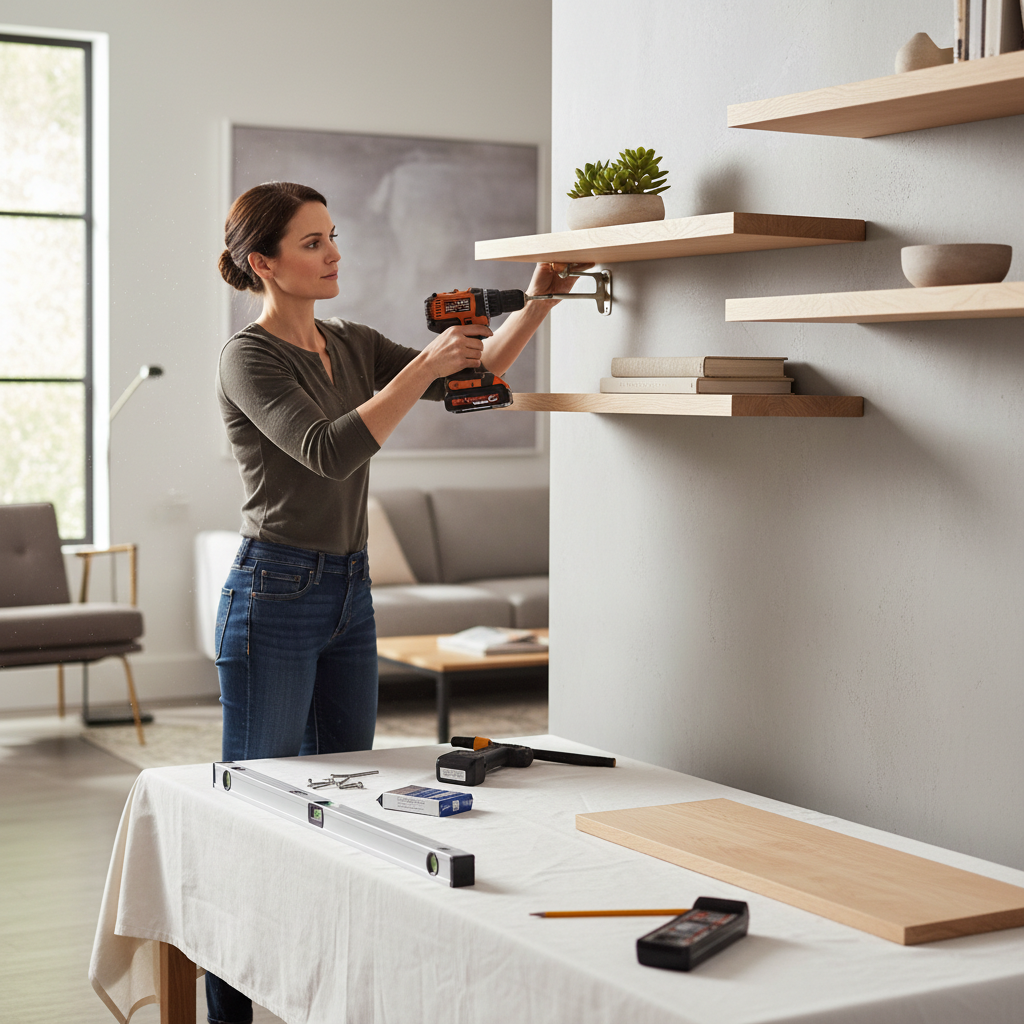
Most home drill tasks sit in a middle zone: drilling pilot holes, driving screws, assembling furniture, mounting curtain rods, occasional studs, and some light outdoor work like deck repairs. You rarely need extreme torque all day, but you do need control.
When people search for the best cordless drill for home use, they often mix up three tool categories that feel similar on the shelf but behave differently at home.
- Drill/driver: your default choice for holes in wood/metal and driving screws.
- Hammer drill/driver: adds a “tapping” action that helps in brick or concrete, useful if you mount to masonry.
- Impact driver: amazing for driving long screws and lag bolts, louder and less gentle for delicate work.
If you do only one purchase, a compact drill/driver (or compact hammer drill if you have masonry walls) covers the widest range with the least frustration.
Quick comparison table: what to buy based on your typical projects
Specs can get noisy, so here’s a simple way to match a tool class to real jobs. Think of this as a “don’t overbuy, don’t underbuy” cheat sheet.
| Home scenario | What to look for | Typical pick |
|---|---|---|
| Furniture assembly, curtain rods, small repairs | Light weight, compact head, 2-speed gearbox | 12V compact drill/driver |
| Shelves, TV mounts, studs, basic DIY builds | Good clutch control, 1/2" chuck, LED light | 18V/20V max compact drill/driver |
| Brick/concrete anchors (basement, exterior walls) | Hammer mode, comfortable grip, side handle optional | Compact hammer drill |
| Deck screws, long structural screws, lag bolts | High torque bursts, hex collet, speed control | Impact driver (often as a combo kit) |
| Occasional bigger holes (spade bits, hole saws) | More torque, better heat handling, bigger battery | Full-size 18V/20V drill |
The buying criteria that actually matter at home
You can ignore half the marketing and still buy well. What matters most is the mix of power, size, and the battery ecosystem you’re marrying into.
Voltage: 12V vs 18V/20V max
- 12V is often enough for apartments, furniture, and light mounting, and it’s easier on your wrist.
- 18V/20V max makes sense if you regularly hit studs, do small builds, or want one drill that won’t stall as easily.
“20V max” in the U.S. is commonly a labeling convention, many brands sell what’s effectively an 18V class tool, so compare feel and performance, not just the number.
Torque and clutch control (more important than peak numbers)
For home work, the clutch is your best friend, it prevents overdriving screws and stripping heads. A drill with smooth, predictable clutch steps can feel “stronger” in practice than a high-torque tool that’s jumpy.
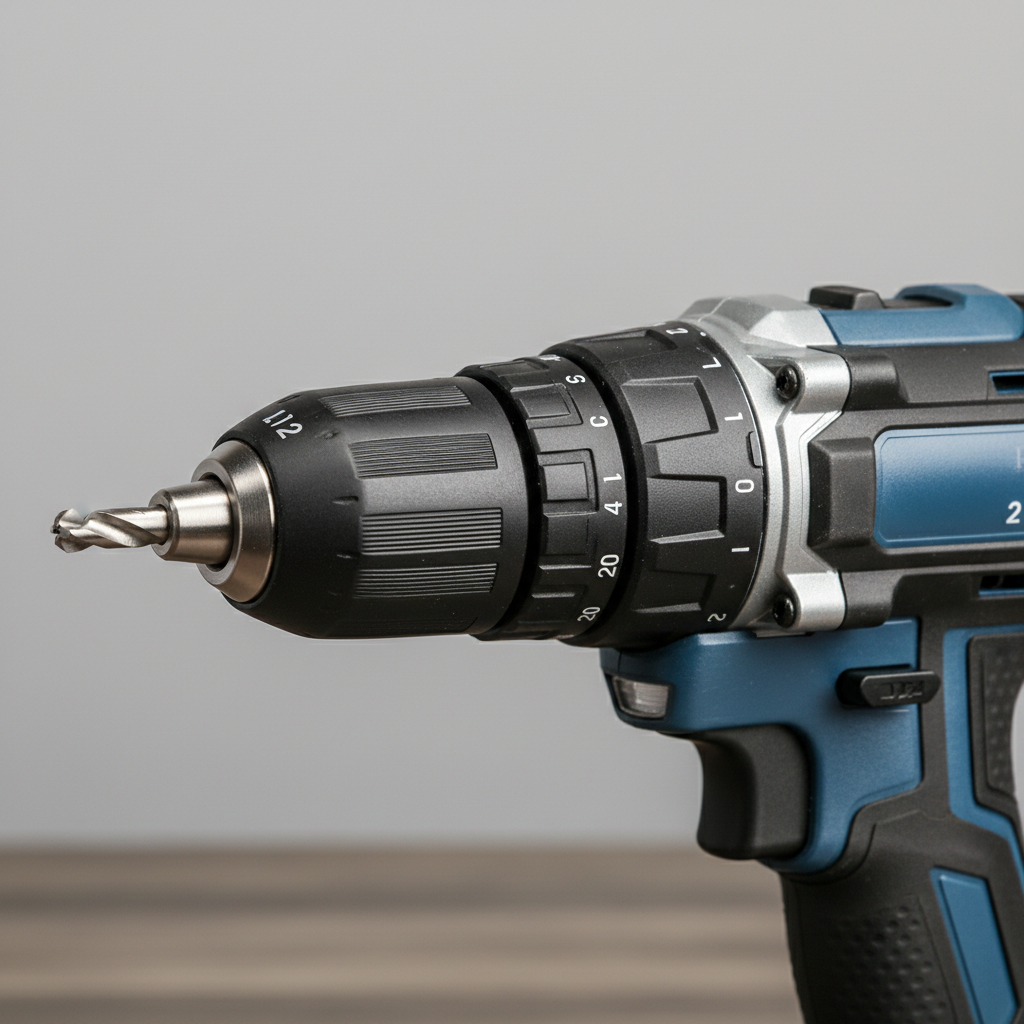
Chuck size and quality
- 3/8-inch chuck: fine for most light-duty drilling and driving, common on small 12V tools.
- 1/2-inch chuck: more versatile for larger bits and hole saws, typical on 18V/20V drills.
Also pay attention to wobble and grip, a good chuck holds bits without constant retightening.
Battery platform: the “hidden” long-term cost
Most homeowners end up with more than one cordless tool. That’s why battery compatibility matters more than people expect, buying into one platform means future tools get cheaper and simpler.
According to Consumer Reports, cordless tool convenience and battery performance are central factors in user satisfaction, which lines up with what you feel on a Saturday project: dead battery equals a stalled plan.
- Look for 2-battery kits if you plan longer sessions.
- Check whether the brand has other tools you’ll realistically buy (impact driver, circular saw, leaf blower).
- Fast chargers help, but a second battery helps more.
Ergonomics: weight, balance, and trigger feel
This is the part you can’t “spec sheet” your way around. A slightly less powerful drill that you can hold steady tends to drill straighter and drive screws cleaner.
- Balance: does it feel nose-heavy with the battery installed?
- Grip: does it fit your hand without forcing your wrist angle?
- Trigger: can you feather speed slowly, or does it jump?
Self-check: which drill category are you, realistically?
If you want a quick answer without spiraling into reviews, use this checklist. Mark what sounds like your week-to-week reality.
- I mostly assemble furniture, hang pictures, tighten hinges, and do small fixes.
- I mount things into studs a few times per year, shelves, rails, TV mount.
- I live in a place with brick/concrete walls, or I drill masonry outdoors.
- I build things occasionally, planter boxes, small framing, garage storage.
- I hate heavy tools and want something compact.
How to interpret it: if you checked mainly the first and last, a 12V compact drill/driver is often plenty. If you checked studs and builds, a compact 18V/20V drill/driver is the safer “one-tool” pick. If masonry is common, consider a hammer drill or plan on renting an SDS rotary hammer for serious concrete.
Recommended setups for 2026 (by scenario, not brand hype)
I’m not going to pretend one model wins for everyone. What tends to work best is choosing a setup that matches how you actually live, then buying a well-reviewed tool within that class from a major platform.
Setup A: Apartment and light DIY
- Type: 12V drill/driver
- Why it works: compact, less fatigue, easier in tight cabinets
- Kit to look for: 2 batteries, small charger, basic bit set
Setup B: “One drill for most homes”
- Type: compact 18V/20V max drill/driver
- Why it works: enough power for studs and common hole sizes without feeling like a brick
- Nice-to-haves: metal chuck, work light, belt clip, variable speed trigger you can control
Setup C: Older homes, masonry, and outdoor anchors
- Type: compact hammer drill
- Why it works: handles Tapcon-style holes in brick/block better than a standard drill
- Reality check: for lots of concrete drilling, an SDS rotary hammer is often the right tool, not a “stronger” drill
Setup D: Faster projects with fewer stripped screws
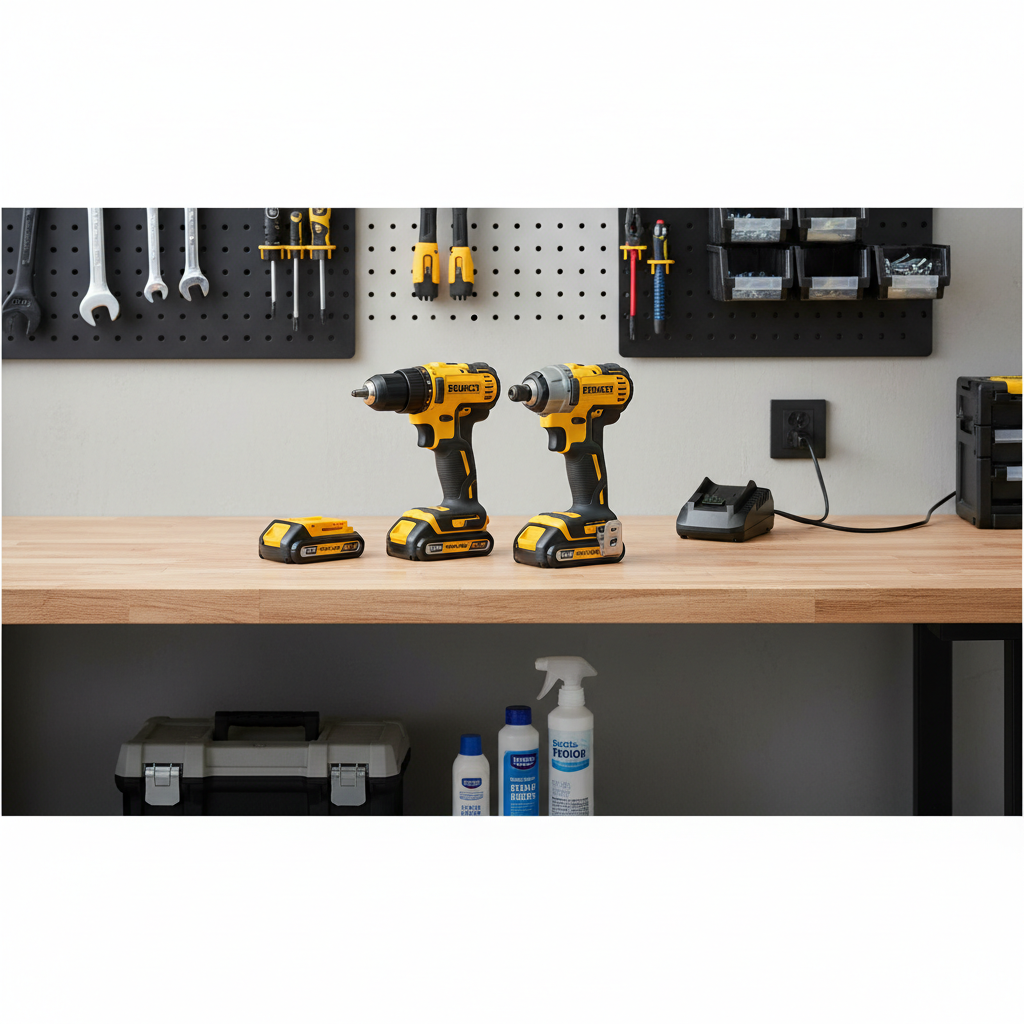
- Type: drill/driver + impact driver combo
- Why it works: drill makes clean holes, impact drives long screws with less wrist twist
- Who it’s for: anyone building shelves, garage storage, or doing deck repairs
Practical tips: how to get better results with any cordless drill
Even the best cordless drill for home use struggles with the wrong bit or the wrong technique. The good news is the fixes are cheap.
Use the right bits (this solves a shocking number of “bad drill” complaints)
- Impact-rated driver bits last longer and cam-out less, even in a standard drill.
- Brad-point bits start cleaner in wood and wander less.
- Cobalt or titanium-coated bits help in metal, use cutting oil when appropriate.
Match speed to the task
- Low speed: driving screws, larger bits, hole saws, better control.
- High speed: small drill bits in wood/metal, faster clean drilling.
If your drill has two gears, treat it like “control” and “drill fast,” not “weak” and “strong.”
Don’t fight the clutch
For delicate work, set the clutch low and increase until screws sit flush without chewing the head. It feels slow the first time, then you stop repairing stripped holes.
Safety and common mistakes (the stuff that ruins weekends)
Most home injuries with drills come from small, avoidable moments, a bit binding, a screw slipping, a drill twisting your wrist. If you feel unsure, it’s reasonable to ask a contractor or knowledgeable friend, and for structural or electrical work, consider a professional.
According to OSHA, power tool safety basics include using the right tool for the job and maintaining equipment, which sounds obvious until you’re tired and trying “one last hole.”
- Mistake: drilling into unknown walls. Use a stud finder that can flag AC wiring, and if there’s any doubt, stop and reassess.
- Mistake: oversized holes without a pilot. Pilot holes reduce splitting and make screws track straight.
- Mistake: using a drill as a mixer for heavy compounds. That can overheat tools not designed for it.
- Mistake: ignoring bit heat in metal. Slow down, use oil when appropriate, and let the bit cool.
Conclusion: picking the right drill without overthinking it
If you want a clean, low-regret purchase in 2026, choose the best cordless drill for home use based on your projects and the battery platform you’ll stick with, then prioritize comfort and control over bragging-rights torque.
Key takeaways:
- For most households, a compact 18V/20V drill/driver hits the sweet spot.
- If weight matters most, 12V tools are often more pleasant and still capable.
- If masonry anchors show up often, a hammer drill helps, but serious concrete may call for an SDS tool.
Action step: write down your top three projects for the next six months, then buy the drill class that matches them, ideally as a kit with two batteries so you don’t stall mid-job.