
nut driver set metric imperial is what you reach for when projects refuse to “stick to one system” and you keep bouncing between SAE and metric fasteners.
That mismatch is more than annoying, it slows you down, increases rounding risk, and turns a quick fix into a drawer-digging session. A good mixed-size set gives you the right fit fast, plus consistent torque and reach.
This guide helps you pick a set that actually matches how you work: which sizes matter most in the US, what features are worth paying for, and a simple way to sanity-check your current kit before you buy again.
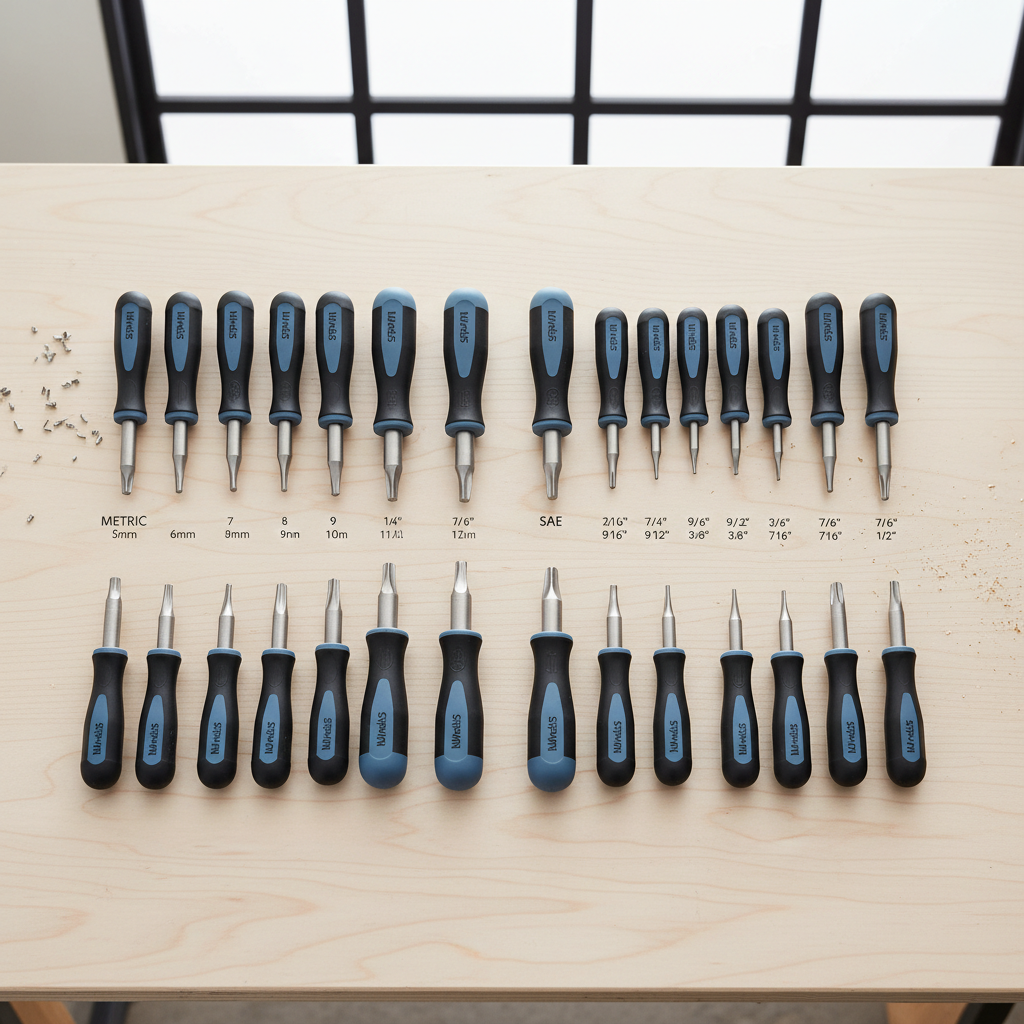
Why metric & imperial nut drivers matter in real projects
In the US, you’ll routinely run into both standards in the same week, sometimes in the same product. Older equipment, some building hardware, and a lot of US-branded gear still leans SAE, while cars, appliances, bikes, and imported tools often use metric.
Fit matters because nut drivers aren’t “close enough” tools. If the socket end has slack, you’ll feel it immediately, and the fastener corners can start to round, especially on small hex nuts and soft metals.
Common places you’ll see mixed fasteners
- Automotive: hose clamps, battery terminals, interior fasteners (often a mix across model years)
- HVAC and appliances: sheet-metal screws with hex heads, service panels
- Furniture and fixtures: imported parts (metric) paired with US hardware (SAE)
- Electronics racks and enclosures: small hex hardware where rounding becomes expensive
According to OSHA, employers should provide appropriate hand tools and maintain them in safe condition, which in practice includes using correctly sized drivers to reduce slips and injuries. If you’re on a jobsite, “right size” is not just preference, it’s a safety baseline.
Quick self-check: do you need a combo set or two separate sets?
Before you buy, it’s worth a two-minute audit. A combo kit sounds convenient, but two dedicated sets can be cleaner if you already know your work skews heavily one way.
- You likely want a metric/imperial combo set if you do home repair, mixed DIY, appliance work, or you share tools with family or a small team.
- You might prefer separate sets if you work in a trade with a dominant standard (for example, many automotive tasks trend metric), or you want duplicated core sizes in multiple handles.
- You may be fine with a small “crossover” add-on if you only get surprised occasionally and already have a solid primary set.
A telltale sign: if you’ve ever grabbed a 1/4 in. when you needed 7 mm and thought “this feels close,” you’re exactly the person who benefits from a clear, complete layout.
Sizes that usually matter most (and how to avoid gaps)
Most people don’t fail because they bought “bad quality,” they fail because the set skips the sizes they hit weekly. The second problem is labeling: if markings fade quickly, the set becomes slower to use than it should.
Here’s a practical, US-friendly size map. Exact needs vary, but these are the sizes that tend to show up often.
| Use case | Metric sizes that come up a lot | SAE (imperial) sizes that come up a lot |
|---|---|---|
| Appliances / HVAC panels | 6 mm, 7 mm, 8 mm | 1/4 in., 5/16 in. |
| Automotive light/medium tasks | 8 mm, 10 mm, 12 mm, 13 mm | 3/8 in., 7/16 in. |
| Furniture / fixtures / general | 4 mm, 5 mm, 6 mm | 3/16 in., 1/4 in. |
| Electrical / small hardware | 4 mm, 5.5 mm, 7 mm | 3/16 in., 7/32 in. |
Key point: don’t just count pieces. Look for fewer skipped sizes and clearer markings. A 16-piece set with the “right” spread beats a 30-piece set that leaps over what you actually touch.
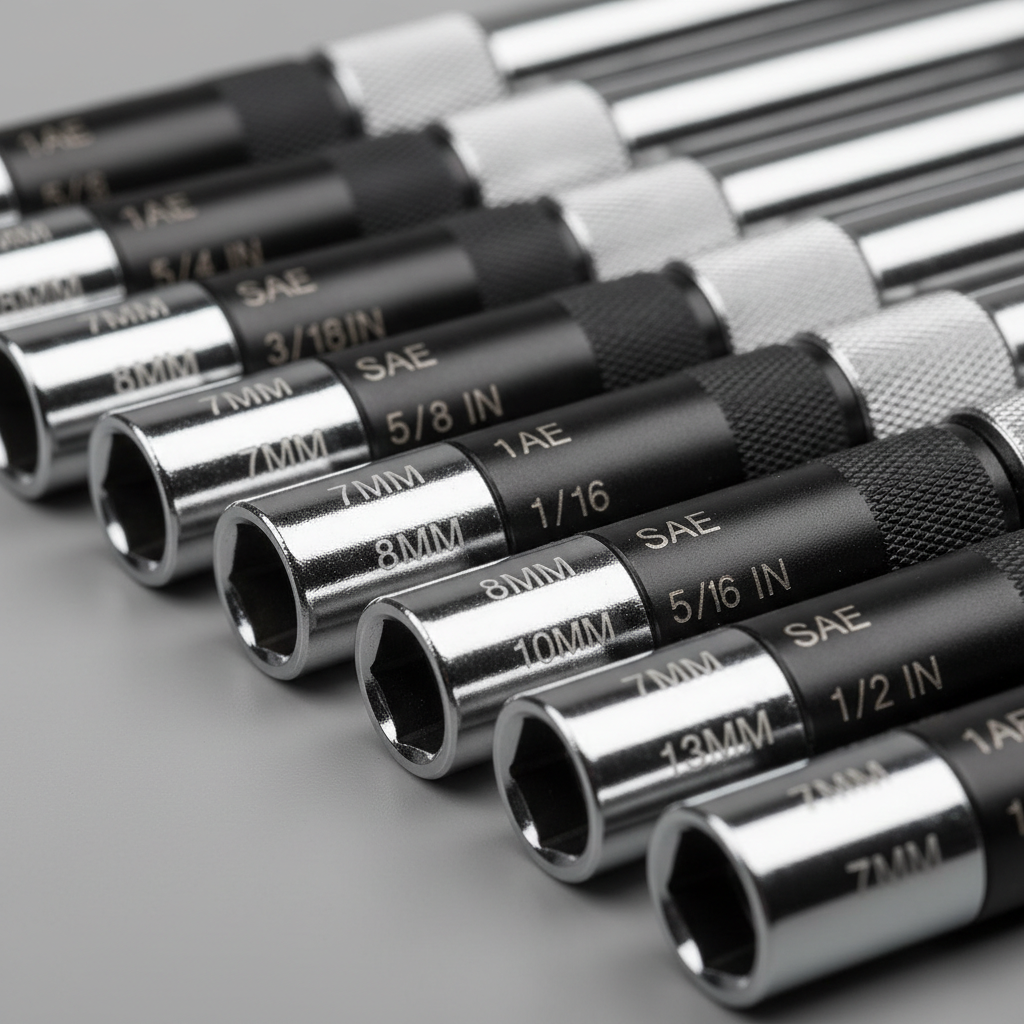
What to look for in a nut driver set (features that actually change daily use)
If you’re choosing a nut driver set metric imperial, the “best” set is the one that stays readable, grips well, and survives your environment. A few features matter more than marketing.
Handle and grip
- Comfort and control: slightly larger, textured handles tend to reduce hand fatigue.
- Non-slip materials: helpful if you work around oil, dust, or sweat.
Shaft length and access
- Standard length: good for general work and better feel.
- Long reach: worth it for recessed nuts in appliances, automotive bays, and enclosures.
Socket end: fit, magnetism, and rounding risk
- Precision fit: tighter tolerances generally mean less corner damage.
- Magnetic tip: convenient for starting small hex nuts and reducing drops, but not always desirable near sensitive electronics or ferrous debris.
- Deep vs shallow: deeper sockets can help on longer studs, but can also hide the fastener and reduce visibility.
Markings and organization
- Laser-etched or stamped sizes usually outlast painted labels.
- Case or rack: speeds selection, and makes it obvious when something goes missing.
According to NIST, the US uses both customary and metric measurements in many industries; in tool buying, that reality shows up as “mixed fasteners forever.” A set that embraces both systems is simply more future-proof for most households and many pros.
Practical buying guide: pick the right set for your scenario
Here are straightforward paths that match common shopping situations. No heroics, just fewer wrong purchases.
If you want one set that covers most home and garage work
- Choose a combo kit with core metric sizes (around 6–13 mm) and core SAE sizes (around 1/4–1/2 in.).
- Prioritize readable markings and a storage rack.
- Consider one long-reach size in the “frequent flyers” you hit most.
If you do automotive or equipment work weekly
- Lean toward higher durability shafts and better grip, you’ll feel the difference.
- Make sure the set includes the sizes you touch constantly (10 mm is a classic example, but your reality may differ).
- Consider duplicate handles for the most-used sizes to avoid constant swapping.
If you mainly do light electrical, electronics, or small hardware
- Look for smaller sizes, cleaner machining, and a comfortable handle that allows fine control.
- Go easy on magnetism if you work near delicate components; if unsure, ask a supervisor or follow equipment guidance.
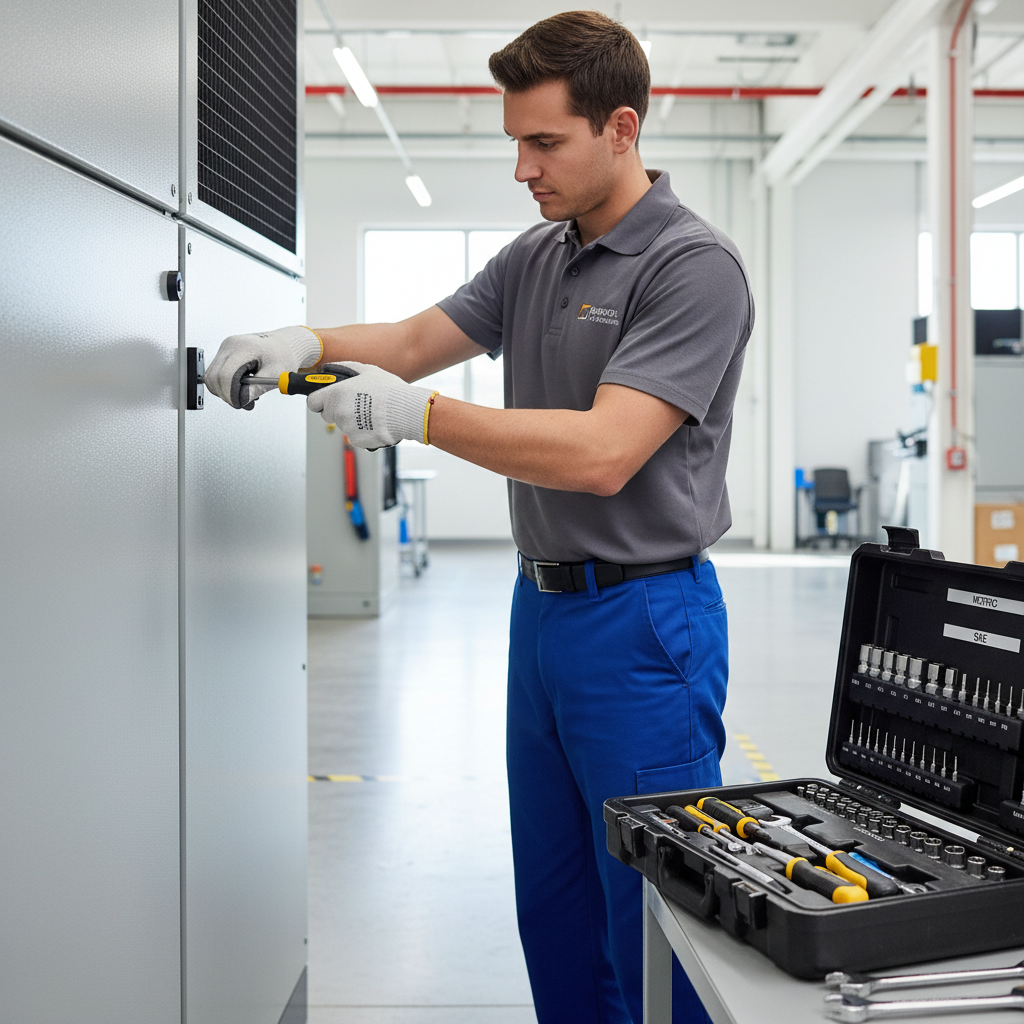
How to use nut drivers without stripping fasteners (simple habits that help)
Even a great set won’t save rounded hardware if the approach is sloppy. The good news: the habits are simple, and they work across both standards.
- Confirm the size by feel: the correct driver seats fully with minimal wiggle, if it rocks, stop and re-check.
- Keep the shaft aligned: angled torque is what chews corners, especially on small hex heads.
- Break free gently: for stuck fasteners, apply steady pressure rather than quick jerks, penetrating oil may help, but follow product directions.
- Know when to switch tools: if high torque is required, a ratchet and socket may be more appropriate than a hand driver.
According to CPSC, using the right tool for the job and keeping tools in good condition reduces injury risk in home projects. If a fastener is seized and you’re forcing it, that’s often when slips happen.
Common mistakes buyers make (and how to avoid them)
A mixed kit can be fantastic, but a few predictable traps show up in reviews and returns.
- Buying “more pieces” instead of better coverage: extra duplicates don’t help if the set skips your most-needed size.
- Ignoring labeling quality: if you can’t read it quickly, you’ll waste time and guess more.
- Assuming one set fits every job: some people still benefit from adding a long-reach pair or a dedicated magnetic option.
- Mixing metric and SAE in one loose bin: it sounds minor, but it turns every task into sorting.
Quick takeaway: treat organization as part of the tool. A case, rack, or wall holder often “pays for itself” in fewer interruptions.
When it’s worth getting professional help
If you’re working on safety-critical assemblies (brakes, steering components, gas appliances, electrical panels) and you’re not confident about fastener specs or torque requirements, it’s smarter to pause. In many cases, a qualified mechanic or licensed technician can confirm size standards, proper torque, and whether any fasteners need replacement.
Also, if fasteners repeatedly strip or seize, there may be underlying issues like cross-threading, corrosion, or incorrect hardware. Tools can’t fix those problems alone.
Conclusion: a good combo set buys you speed, fit, and fewer headaches
A nut driver set metric imperial makes sense for most US garages and tool drawers because the world stays mixed, and guessing sizes gets expensive fast. Aim for solid coverage, readable markings, and the handle/length that matches your typical work.
If you want one action step today, open your toolbox and list the top five sizes you actually use, then shop for a set that covers those without gaps, everything else becomes a bonus.
FAQ
What’s the difference between a nut driver and a socket?
A nut driver is a screwdriver-style handle with a fixed-size socket end, great for speed and control on small hex heads. A socket on a ratchet handles higher torque and usually offers more flexibility with extensions.
Do I really need both metric and SAE nut drivers in the US?
Many people do, because appliances, vehicles, and imported hardware often use metric while some building and legacy equipment still uses SAE. If your projects span home, auto, and repairs, a mixed kit reduces guesswork.
Is 7 mm basically the same as 1/4 inch?
They’re close, but not the same, and “close” is where rounding starts. If it feels even slightly loose, switch to the exact size.
Are magnetic nut drivers always better?
They’re very convenient for starting fasteners and preventing drops, but they can attract metal shavings and may be undesirable near sensitive components. It depends on your workspace.
What sizes should a starter combo set include?
For general home use, look for a sensible spread across common metric (roughly 6–13 mm) and common SAE (roughly 1/4–1/2 in.), with clear size markings. The exact list varies by what you fix most.
Why do my hex heads keep stripping even with the right size?
It can happen with soft fasteners, corrosion, paint buildup, or when the tool is angled under load. Cleaning the head, staying aligned, and switching to a ratchet for stubborn fasteners often helps.
Should I buy one big kit or a few smaller sets?
If you do varied tasks, one organized combo kit is usually simpler. If you’re specialized, two targeted sets can feel faster because you’re not scanning sizes you never touch.
Key takeaways before you buy
- Coverage beats piece count, watch for skipped “everyday” sizes.
- Markings and storage matter more than people expect.
- Match features to your work, long reach and magnetism are situational.
- Exact fit reduces rounding, don’t substitute near sizes.
If you’re rebuilding a tool drawer or upgrading from a mismatched handful of drivers, a thoughtfully chosen combo set is usually the most painless path, and if you tell me what you work on most often, I can help you narrow the size coverage and features without overbuying.