
Best work gloves for construction work usually come down to one thing: matching the glove to the hazard you actually face on site, not the one the packaging hypes up. If your gloves keep ripping, slipping on tools, or leaving your hands sore by lunch, it’s rarely “bad luck” and more often a mismatch in material, fit, or protection type.
Construction work is messy on purpose, sharp edges, vibration, wet lumber, abrasive concrete, rebar, sparks, and pinch points show up in the same week. Gloves that feel great in a store can fall apart fast once you’re hauling block, tying wire, or running a grinder.

This guide focuses on what to buy in 2026 and, more importantly, how to decide. You’ll get a quick-fit checklist, a practical comparison table, and scenario-based picks so you stop buying “general purpose” gloves that do nothing especially well.
What “best” means on a construction site
On paper, the “best” glove is the one with the highest ratings. In the real world, the best glove is the one you keep on because it fits, grips, and doesn’t get you in trouble with the task. A glove that’s too bulky can be a safety problem when you’re handling fasteners or operating controls.
Here are the performance buckets that matter most for most crews:
- Grip on dry and wet surfaces, especially on metal, finished lumber, and coated handles
- Cut resistance for sheet metal, ducting, utility knives, wire rope, and sharp offcuts
- Impact protection for knuckles and back-of-hand when moving rebar, forms, or masonry
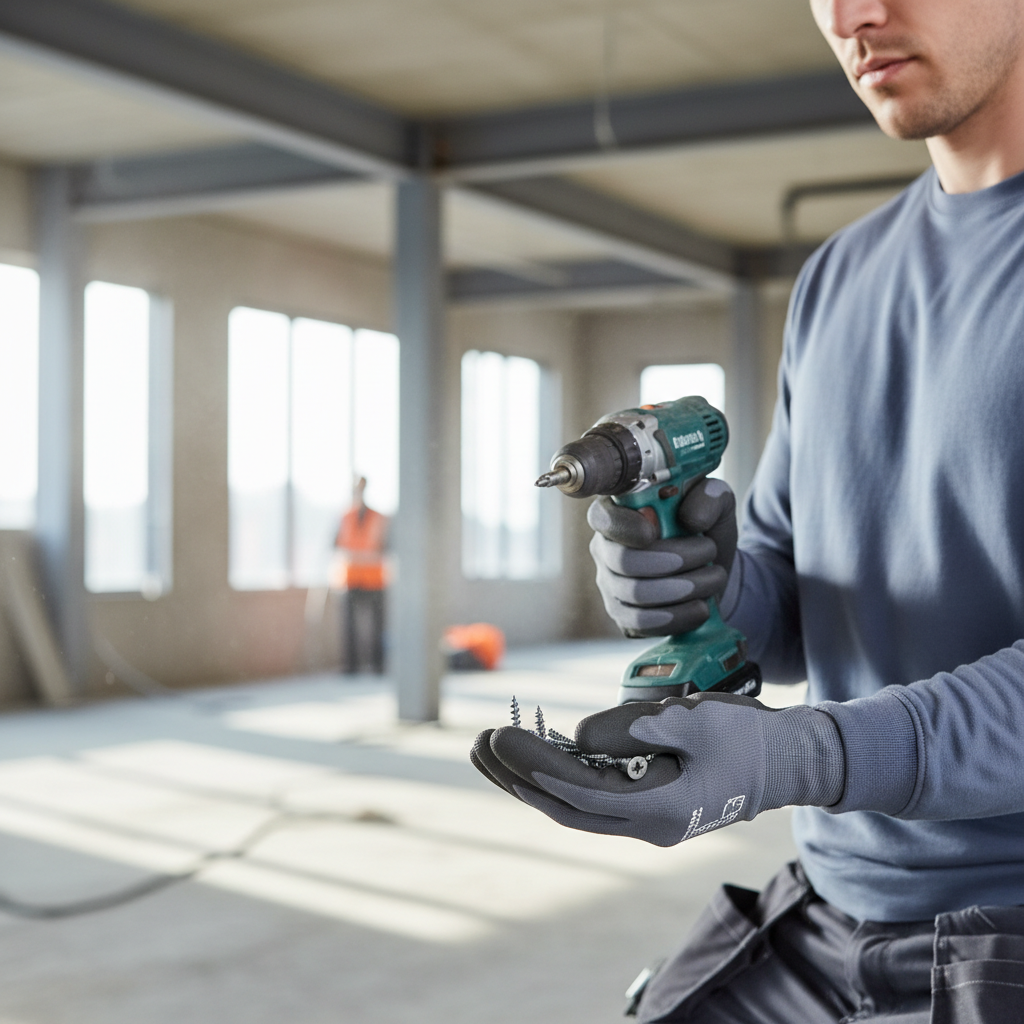
- Dexterity for screws, anchors, tie wire, and tool triggers
- Durability at palm seams and fingertips, where cheap gloves fail first
- Weather comfort for heat, sweat, cold mornings, and rain days
According to OSHA (Occupational Safety and Health Administration), employers must assess workplace hazards and provide appropriate hand protection when hazards exist. The useful takeaway for buyers: start from hazards and tasks, then choose materials and ratings that match.
Quick comparison table: glove types that win in 2026
Instead of chasing a single “winner,” use this table as a short list generator. Most trades end up rotating two pairs: a high-dexterity daily glove plus a heavier glove for rough handling.
| Glove type | Best for | Why crews like it | Watch-outs |
|---|---|---|---|
| Nitrile-dipped knit (foam nitrile) | General handling, tools, light demo | Strong grip, good dexterity, affordable | Not great for hot sparks or heavy abrasion |
| HPPE cut-resistant + coated palm | Metal studs, ducting, glass edges nearby | Cut protection without huge bulk | Cut rating varies a lot by brand, check labels |
| Impact gloves (TPR back-of-hand) | Rebar, rigging, masonry handling | Knuckle and metacarpal protection | Less dexterity, can snag in tight spaces |
| Leather driver / split leather | Rough materials, lumber, general hauling | Comfort, abrasion resistance | Grip drops when wet unless treated |
| Welding / heat-resistant leather | Sparks, torch work near hands | Better heat buffer than coated knits | Bulky; not ideal for fasteners or fine motor work |
| Winter insulated + coated palm | Cold-weather framing, concrete prep | Warmth with usable grip | Too thick can reduce safe control of tools |
How to pick the right protection: cut, impact, puncture, and vibration
If you only remember one thing, remember this: protection claims are not interchangeable. A glove that resists cuts may still puncture easily, and an impact glove can still slice on sheet metal.
Cut resistance (what to look for)
For sharp materials, look for gloves built with engineered fibers like HPPE (high-performance polyethylene) and a coating that supports grip. Labels often reference ANSI/ISEA cut ratings; higher generally means more cut resistance, but it often trades off with feel.
- Choose higher cut protection when handling sheet metal, banding, duct edges, or scrap
- Choose mid cut protection when you still need speed with fasteners and tools
Impact protection (when it matters)
Impact gloves use TPR padding to reduce the sting from knocks and pinches. They’re popular for ironwork and masonry handling, but some versions feel clumsy for carpentry or finish tasks. If your job includes rotating machinery or entanglement hazards, ask a safety lead what’s appropriate for that station.
Puncture and abrasion (the “hidden” glove killers)
Construction tears gloves at the fingertips and palm heel. Leather tends to handle abrasion well; coated knits can be excellent too, but stitching quality and coating thickness make a big difference. If you regularly grab rebar, nails, wire ends, or form ties, prioritize reinforced fingertips and a tougher palm.
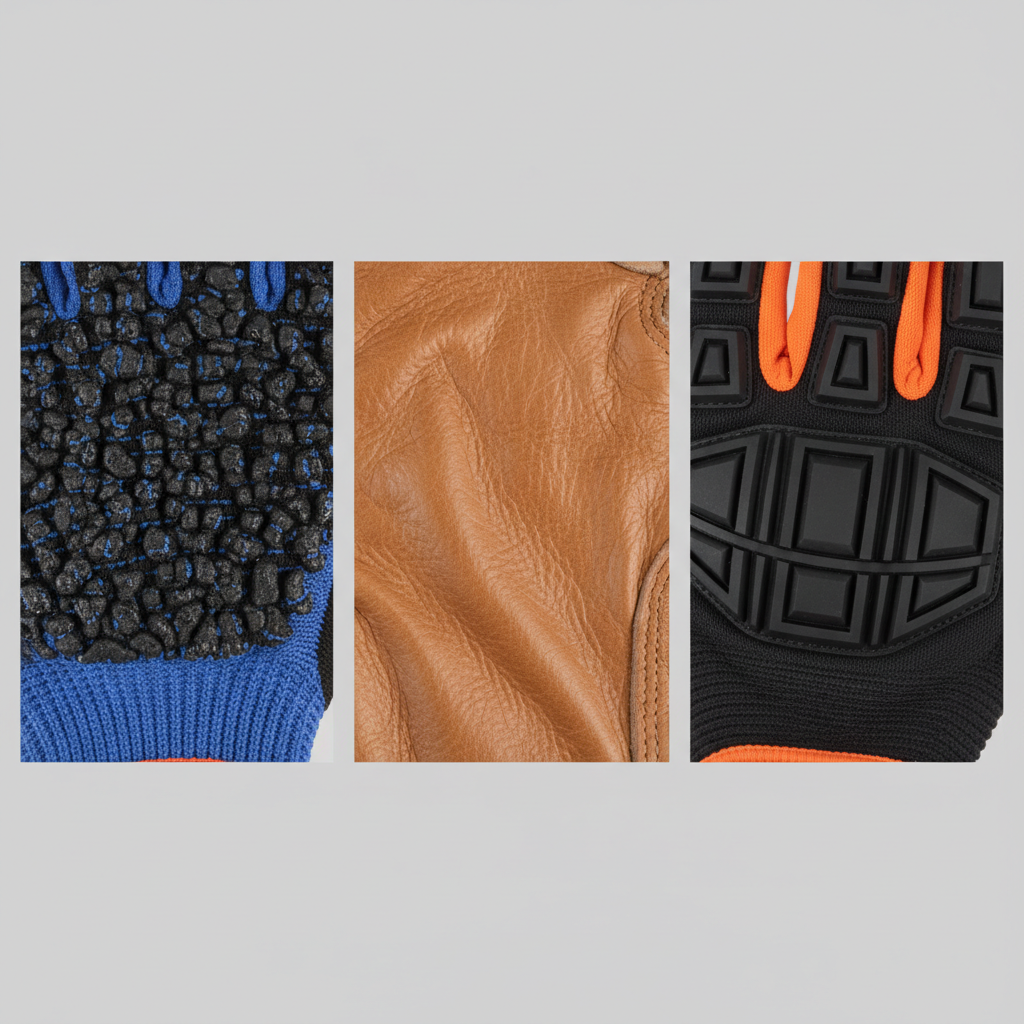
Self-check: which glove category fits your day-to-day?
Use this as a quick filter before you buy a 12-pack of something that ends up living in your truck.
- My gloves fail at the fingertips → look for reinforced fingertips, tougher coating, or leather palms
- I drop tools when it’s wet → foam nitrile or a wet-grip coating, avoid slick leather unless treated
- I handle sharp metal edges weekly → HPPE cut-resistant with a clear ANSI cut rating on the tag
- I bang knuckles moving materials → impact gloves, but test dexterity before committing
- My hands sweat and gloves stink fast → thinner knit options, rotate pairs, wash if the label allows
- Cold mornings wreck my grip → insulated gloves with coated palms, not oversized mitt-like fits
Fit is the quiet deal-breaker. If the glove pinches at the thumb crotch, bunches at the fingertips, or slides on the palm, your grip fatigue tends to show up before noon.
Best work gloves for construction work by common scenarios (2026 picks)
Instead of a single ranked list, here are “best fit” recommendations by task, which is how most foremen and safety managers actually buy. Brand availability shifts year to year, but these specs stay reliable.
Everyday general construction (handling + tools)
- Look for: foam nitrile-dipped knit, snug cuff, touchscreen-friendly fingers if you use apps
- Why it works: strong grip on tool handles, decent abrasion resistance, easy to replace
- Skip if: your day includes lots of sparks or sharp sheet metal edges
Framing and lumber handling (abrasion + splinters)
- Look for: leather driver gloves or durable coated palms with reinforced thumb
- Why it works: leather takes abuse and stays comfortable over long hours
- Tip: keep a thin dexterity glove nearby for hardware and layout work
Drywall, metal studs, HVAC edges (cut risk)
- Look for: cut-resistant (HPPE) liner with grippy coating, labeled ANSI cut rating
- Why it works: better cut protection without going full “armored”
- Reality check: higher cut protection can feel slower on screws, test before bulk buying
Masonry, rebar, and demo handling (impact + durability)
- Look for: impact protection across knuckles, tough palm material, secure wrist closure
- Why it works: reduces back-of-hand bruising when materials shift
- Watch-out: bulky gloves can reduce safe control on certain tools
Wet, muddy, or cold conditions (grip + comfort)
- Look for: waterproof-resistance claims you can verify, coated palm that stays tacky when damp
- Why it works: wet grip prevents the “death squeeze” that tires forearms
- Tip: carry a dry backup pair, wet gloves rarely “come back” mid-shift
Practical buying advice: what to check before you spend
Here’s what experienced buyers tend to check in the aisle or on a product page, beyond marketing labels.
- Seams and stitching: tight stitching around thumb and index finger, no loose threads
- Palm reinforcement: extra layer or thicker coating at the heel of the palm
- Cuff style: knit wrist keeps debris out, hook-and-loop gives a more locked-in feel
- Size range: don’t “make do” with a large if you need medium, grip and fatigue get worse
- Care instructions: washable gloves can be a money saver if they still hold shape
Key point: buying the best work gloves for construction work often means buying two different pairs for two different parts of the day, not one glove that claims to do everything.
Mistakes that make gloves feel “bad” even when they’re decent
Some glove complaints are real quality issues. Others come from small mismatches that are easy to fix once you spot them.
- Buying too thick for the task: you lose feel, then you squeeze harder, then your hands ache
- Ignoring wet grip: plenty of gloves grip well in dry conditions and become slippery in rain
- Assuming one pair works all year: summer breathability and winter warmth rarely overlap
- Wearing worn-out gloves “one more day”: thin spots at fingertips invite punctures and blisters
- Chasing the highest cut rating: you may pay with dexterity when you don’t need that level
According to NIOSH (National Institute for Occupational Safety and Health), selecting PPE should align with the specific hazards and work conditions. In glove terms, it’s a reminder that a “tough” glove isn’t automatically the “right” glove.
Conclusion: a simple way to choose in 10 minutes
If you want a fast, realistic process, pick one “daily driver” glove for grip and dexterity, then add a second pair for the job that hurts your hands most, sharp metal, impact handling, or cold/wet days. That two-glove setup is usually where crews feel the biggest improvement without overspending.
Your next step: write down the top two tasks that destroy your current gloves, then buy a single pair that matches those hazards and test it for a week before purchasing a full bundle.
FAQ
- What are the best work gloves for construction work if I do a bit of everything?
Most people do well with a foam nitrile-dipped knit glove for daily handling and tools, then keep a heavier leather or impact pair for rough material moves. - How do I know if I need cut-resistant gloves for metal studs?
If you regularly handle freshly cut track/studs or scrap with sharp edges, cut-resistant liners help. Check for an ANSI cut rating on the label rather than vague “cut proof” claims. - Are leather gloves better than nitrile-dipped gloves?
Neither is universally better. Leather often wins on abrasion and comfort for hauling, while coated knits often win on grip and dexterity, especially on tool handles. - Do impact gloves actually prevent injuries?
They can reduce bruising and the sting from knocks, but they don’t make hands invincible. For higher-risk tasks, follow site safety rules and consider asking a safety professional what’s appropriate. - What gloves work best in rain or wet concrete conditions?
Look for coatings designed for wet grip and consider carrying a dry backup pair. Many “water-resistant” gloves still get soaked through after long exposure. - How tight should construction gloves fit?
Snug without cutting circulation. Fingertips should reach near the glove ends without extra floppy material, and you should be able to pinch small screws without fighting the glove. - How often should I replace work gloves on a jobsite?
Replace when grip drops, holes appear, fingertips thin out, or the glove no longer fits right. Stretching and worn palms can turn into safety issues even before a full tear.
If you’re trying to standardize glove buying for a crew, or you’re tired of guessing which spec matters, it can help to build a small “glove rotation” based on your top hazards, one dexterity pair, one cut-focused or impact-focused pair, and a weather pair when seasons shift.